Geopolitics and technology rarely mix without fireworks. Just days after a high-profile visit from Chinese President Xi Jinping, the White House made its stance on cross-border artificial intelligence crystal clear. President Donald Trump flatly ruled out working with Beijing on artificial intelligence safety and governance.
Why? The calculation is straightforward. Washington believes that collaborating with Beijing on tech standards or safety frameworks would hand a strategic advantage to a rival superpower, effectively helping China close the capability gap with American firms. Discover more on a related topic: this related article.
If you thought diplomacy would soften the tech cold war, think again.
The White House Tech Lunch and the China Stance
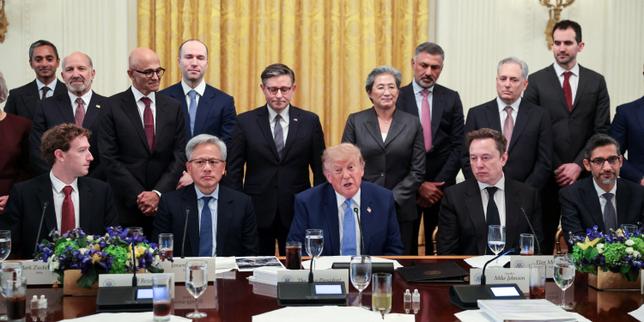
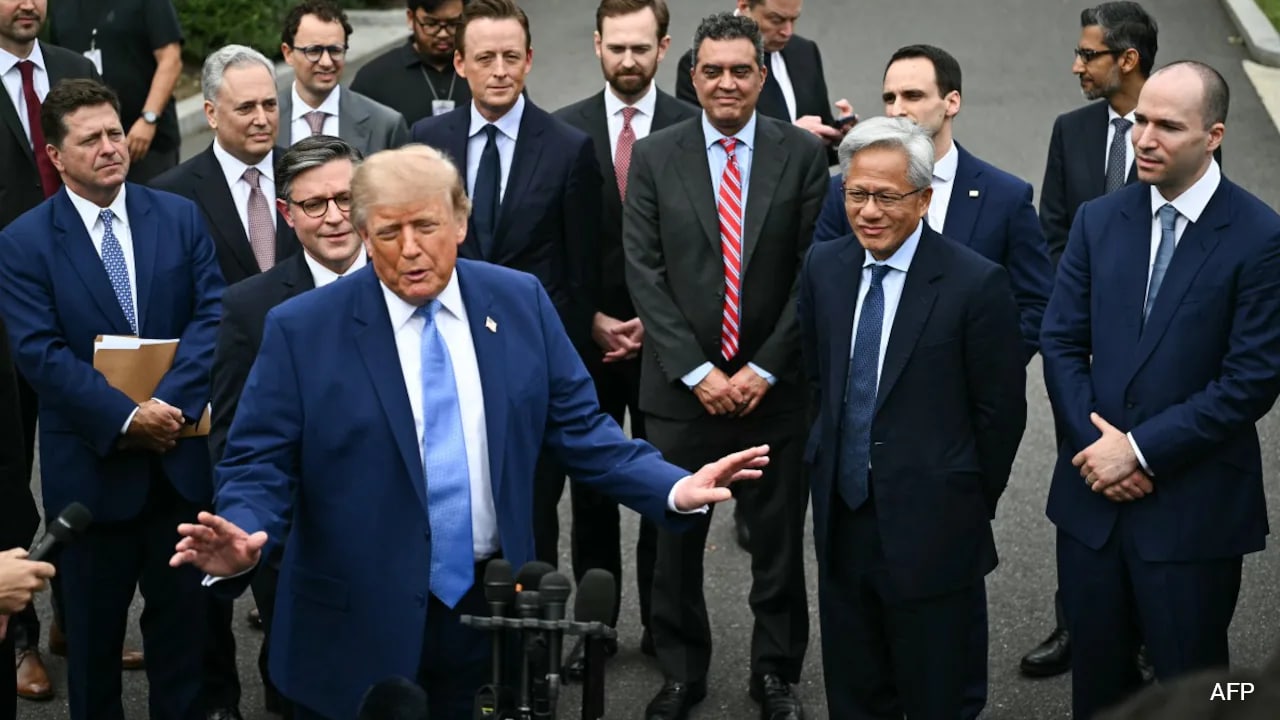
The announcement didn't happen behind closed doors. It came right before a massive White House gathering featuring thirty-one prominent tech figures, including heavyweights like Elon Musk, Jeff Bezos, and Mark Zuckerberg. More journalism by The Next Web explores similar views on this issue.
Instead of pursuing global treaties or joint safety boards, the administration is doubling down on national sovereignty and market-driven growth. Trump made his view public: artificial intelligence is too massive to choke with red tape or share with competitors. He noted that the technology could outscale the Industrial Revolution and the internet combined. Because of that scale, the administration prefers a hands-off approach to domestic regulation while keeping international rivals strictly at arms length.
Critics of cooperation argue that sharing insights on model safety or alignment risks giving authoritarian regimes blueprints for advanced surveillance and autonomous military applications. On the flip side, proponents of dialogue worry that a lack of communication channels could lead to dangerous escalations or algorithmic miscalculations down the road.
What This Means for Global Tech Development
The refusal to cooperate means the world is barreling toward a fractured technological ecosystem. You are looking at two distinct spheres of influence. One is anchored by American private enterprise, and the other is driven by state-directed Chinese innovation.
Companies operating globally will feel the squeeze. If you are building software or hardware, navigating export controls, data localization laws, and divergent safety standards becomes even more chaotic. There is no unified global standard coming to save compliance officers anytime soon.
Instead of waiting for a global consensus, the US government is letting domestic tech leaders steer the ship. Voluntary guardrails are taking precedence over rigid mandates. The administration wants growth, and it wants speed.
Expect tighter scrutiny on cross-border research investments, talent flows, and semiconductor supply chains. The message from Washington is loud and clear. When it comes to the defining technology of our century, you play to win, and you don't share the playbook.