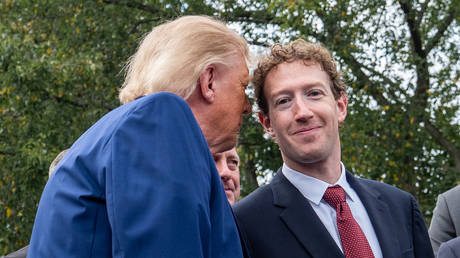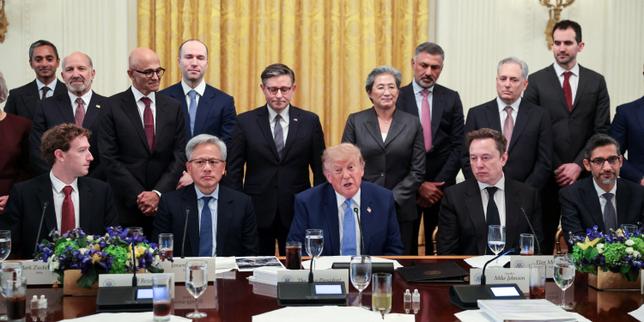
Words matter. When the White House gathers tech titans like Elon Musk, Mark Zuckerberg, Sundar Pichai, and Jensen Huang for a high-stakes luncheon, you know a major shift is underway. President Donald Trump didn't just invite Silicon Valley heavyweights to chat about code; he announced that the United States government is officially dropping the term artificial intelligence in favor of "Super Intelligence."
Why? Because the old label feels too small. Trump argued that these systems aren't artificial at all. They are rapidly evolving into something magnitudes larger than the internet itself. For an alternative perspective, read: this related article.
Moving Past the Artificial Label
For years, developers and strategists have wrestled with the term AI. It sounds like a lab experiment or a sci-fi trope. But modern machine learning models operate at scales that defy traditional software definitions. They reason, generate, and adapt.
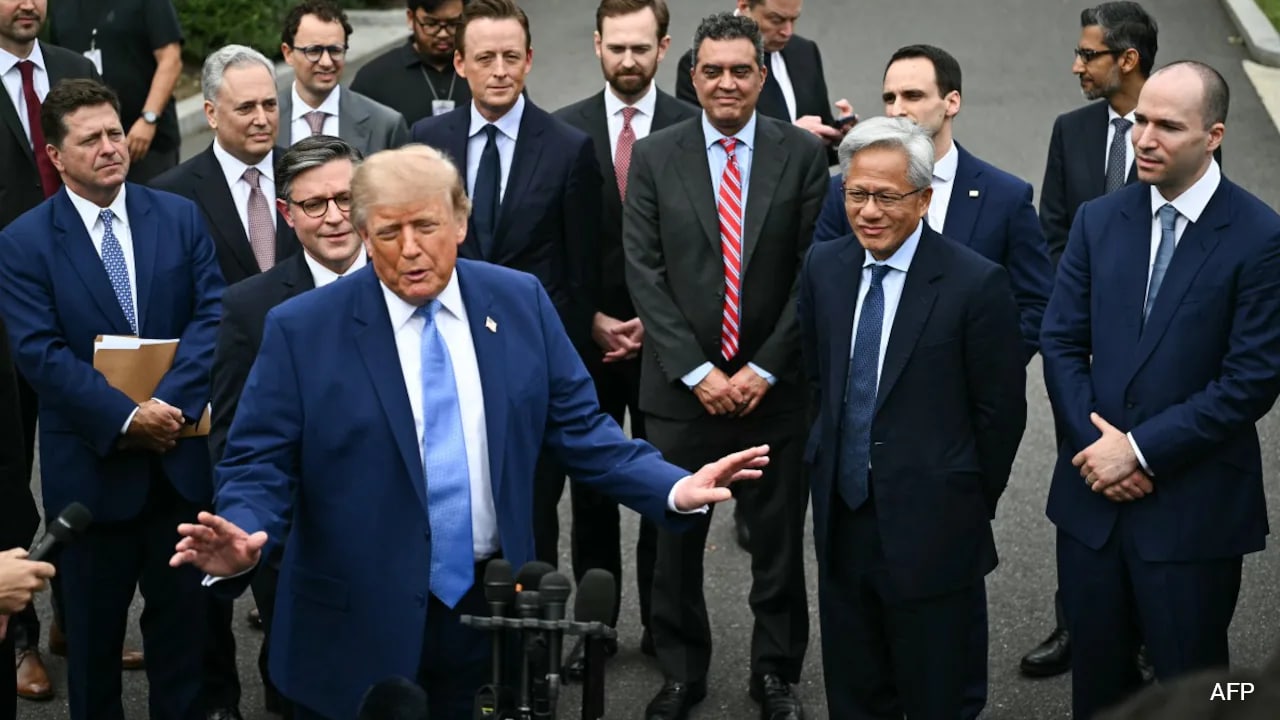
Trump pointed out the obvious flaw in the old nomenclature during his White House briefing. "It's not artificial," he stated. By legally reclassifying the tech via an executive document, the administration wants to frame the conversation around raw capability rather than simulated intelligence. Related analysis regarding this has been provided by Ars Technica.
If you're building products or investing capital, this nomenclature shift signals a deeper regulatory and executive focus. Governments view this infrastructure not as a gadget, but as core national infrastructure.
The Infrastructure Reality Check
Big tech companies love talking about algorithms, but local communities care about power bills and data center noise. Trump addressed this tension directly during the summit. Tech firms must form genuine partnerships with towns hosting massive data centers.
Companies like Meta, Google, and NVIDIA can't just drop massive server farms into rural counties without pushback. The administration made it clear that financial contributions to local schools and community programs are part of the price of admission. If you are scaling infrastructure, expect local compliance demands to tighten fast.
Security and the White House Accord
Beyond branding and power grids, the meeting focused heavily on safety frameworks. Dario Amodei of Anthropic and other industry leaders discussed the White House Accord, aimed at developing next-gen systems responsibly.
Director of National Intelligence Jay Clayton highlighted the geopolitical stakes. Being the global leader in Super Intelligence is now viewed as the single most critical national security priority.
You need to pay attention to how these compliance frameworks trickle down into enterprise software. Governments won't hesitate to crack down on misuse, and compliance standards will dictate who wins contracts.
Audit your current tech stack for compliance readiness. Stop treating next-gen compute as an optional feature and treat it like the critical infrastructure it has officially become.