If you want to fix a broken river, sometimes you just need to throw a massive pile of logs back into it. For decades, river managers thought clean, empty channels meant healthy waterways. They were dead wrong. Between 1950 and 1980, workers stripped more than 25,000 large pieces of coarse woody habitat out of a 120-kilometre stretch of Australia’s Murray River. They did it to speed up water flow, but they accidentally decimated the homes, hiding spots, and breeding grounds of native apex predators like the Murray cod.
When researchers decided to reverse this ecological vandalism, the results blew past expectations. By dumping 4,450 heavy pieces of timber—most weighing over a tonne each, salvaged from a road construction project—back into a 110-kilometre reach between 2007 and 2010, they kicked off a seven-year restoration experiment. What happened next wasn't just a minor bump in local wildlife numbers. Over the course of the monitoring period ending in 2013, Murray cod abundance tripled in the restored zone, while golden perch density doubled.
Let's look at why this worked so well and what most people misunderstand about river rehabilitation.
The Engineering Mistake That Starved the Murray River
For generations, humans treated rivers like concrete plumbing systems. If a massive log or fallen tree snagged in the current, it was hauled out. Engineers thought wood caused blockages and erosion. They didn't realize that logs act as the structural skeleton of a healthy freshwater ecosystem.
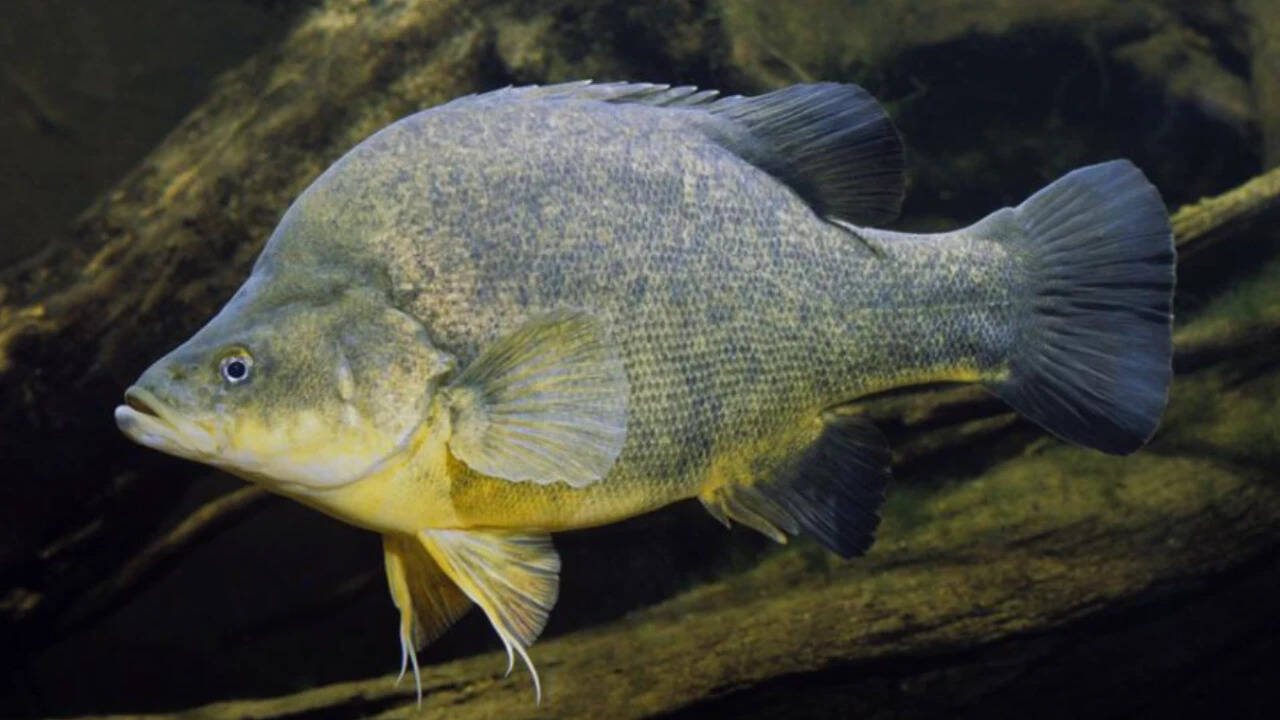
When you clear out the woody habitat, you strip away the furniture of the river. Native fish like the Murray cod (Maccullochella peelii) and golden perch (Macquaria ambigua) rely on these submerged timber structures for everything. They use them as ambush cover while hunting, safe havens from strong currents, and critical spawning sites. Without wood, these fish had nowhere to hide, breed, or mature.
When researchers established the intervention reach between Lake Hume and Lake Mulwala, they weren't guessing. They set up rigorous scientific controls, comparing the resnagged zone against three untouched control reaches. They used electrofishing, PIT tags, radio telemetry, and angler reports to track thousands of individual fish. They wanted to make sure they were measuring real population growth, not just fish wandering in from nearby areas.
Tracking the Numbers Behind the Recovery
You can't manage what you don't measure. Over the seven-year study window, the team captured 7,312 Murray cod and 3,743 golden perch. They tagged thousands of individuals and tracked hundreds with radio transmitters.
The data revealed a stark contrast. While the restored section saw Murray cod populations swell, a comparable control reach experienced a 40 percent drop over the exact same timeframe. Meanwhile, golden perch numbers in the intervention zones jumped from around 1,000 fish over 200 mm to roughly 2,000 fish.
Why did it work so fast? It came down to ecological connectivity. The restored zone didn't just sit in a vacuum; it was flanked by healthy source populations upstream and downstream that could feed immigrants into the newly furnished habitat. Adding timber gave those incoming fish a place to survive and thrive instead of washing past into degraded stretches.
What This Means for Future River Restoration
Most conservation projects fail because they treat symptoms instead of structural causes. Planting a few reeds along a barren bank won't bring back top-tier predators if their entire structural habitat is missing.
If you're looking at restoring degraded waterways in your own region, you have to look past simple water quality metrics. Physical habitat structure matters just as much as chemical purity. Rivers need complexity. They need snags, logs, and irregular geometry to break up the current and create micro-habitats.
The Murray River project proves that heavy intervention works if it mimics natural conditions. Stop treating fallen timber as waste. In a river system, a pile of heavy logs is basically an apartment building for native fish.
Take a close look at local watershed restoration plans in your area. Check if your regional authorities are actively reintroducing coarse woody debris or if they are still clearing snags under the guise of flood mitigation. Push for structural complexity, demand evidence-based habitat restoration, and support policies that treat rivers like living ecosystems rather than drainage ditches.