Thirty-one people died in a single evening on the Ring Road near Cairo. Twenty-six others were hurt. By Friday, November 27, 2026, mosques across Egypt—including Al-Azhar Mosque under the directives of Grand Imam Dr. Ahmed Al-Tayeb and alongside Grand Mufti Dr. Nazir Ayyad—held funeral prayers in absentia for the victims of the Al-Warraq fuel tanker fire.
When you read short news clips about funeral prayers held for 31 victims of Egypt tanker crash, the coverage usually stops at the grief and the body count. That's half a story. Grief matters deeply here, especially since authorities used DNA testing to identify victims whose bodies and IDs were burned beyond recognition, with 27 of the 31 identified by Friday. Yet grief alone won't keep the next fuel truck from flipping during evening rush hour. Meanwhile, you can find similar events here: Why Eisenkot's Deal With The Left Won't Guarantee A Majority Just Yet.
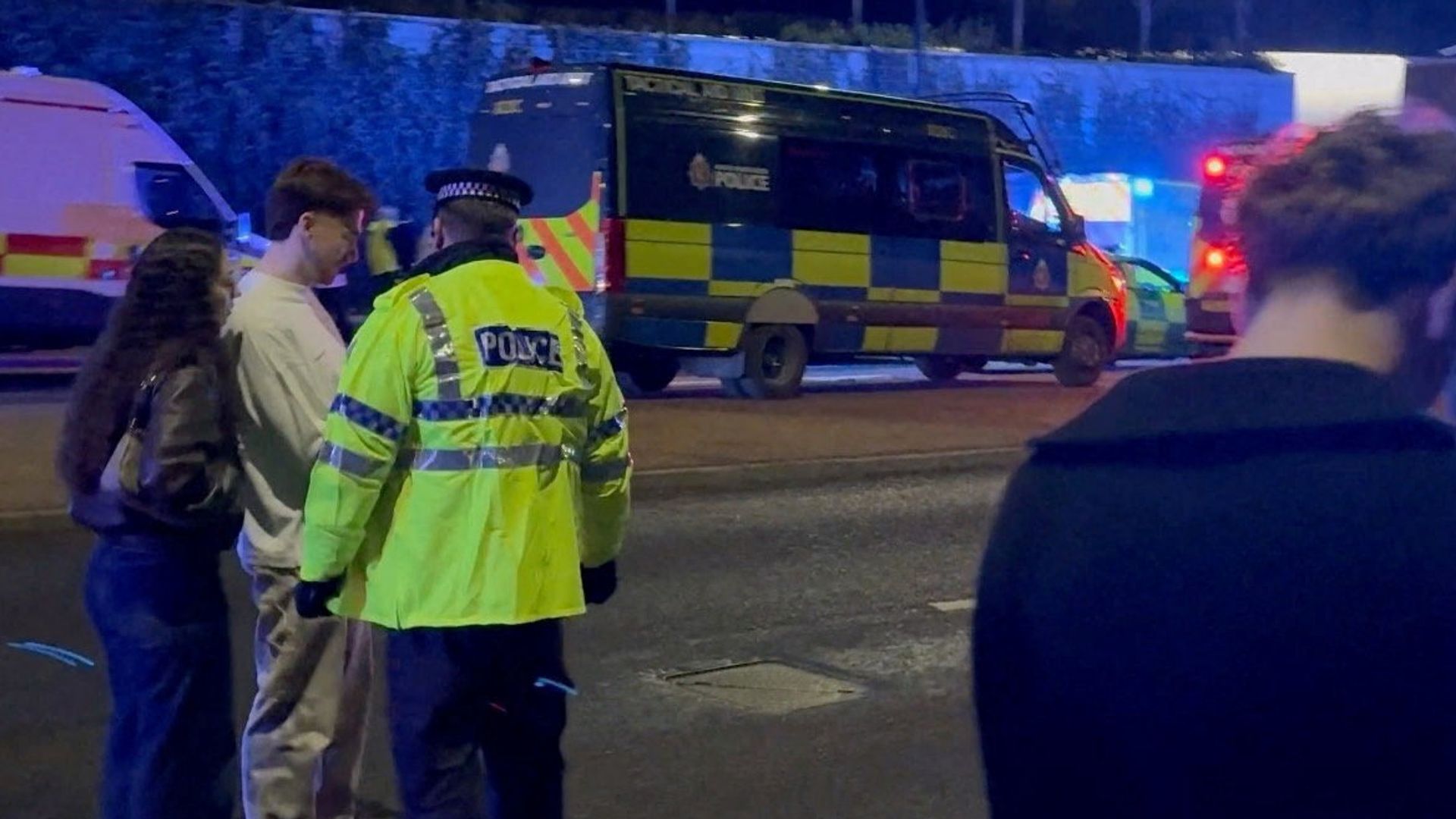
Let's be honest about what happened on Wednesday evening, November 25, 2026. A driver traveling with his father along the Ring Road from Al-Marg toward Al-Haram at around 110 kilometers per hour admitted to changing lanes and overtaking when his car's front left clipped the rear right of a fuel tanker. Control snapped. A tire on the fuel truck burst, the heavy tanker hit a concrete wall and overturned near Al-Warraq in Giza, gasoline spilled, and fire ripped through 27 vehicles and motorcycles. Fourteen passengers on a bus reportedly died after trying to help trapped commuters.
http://googleusercontent.com/lmdx_content/QriakygpjSWUDFkrZfFgEeWzdrPdicDizFsIngupCviJMWjPmyPtRyKDvzRWvpMQUZXpVFYooWrHZUFYsICEUMpVxOcoFNoJsymsuZPMbfgmMvvfZAnjkcBUAHXXaZLQyddKyhZkYwrAXQ1150842 To explore the bigger picture, check out the excellent report by USA Today.
How a Single Lane Change Turned Into a Record Tragedy
People searching for news about this crash usually want three things right away. First, what caused the fire? Second, who died and how many were injured? Third, what happens next with the investigation and mourning?
Prosecutors detained a suspect and reported that he admitted to speeding and weaving between lanes before colliding with the tanker. Thirty-nine ambulances rushed to the scene, and injured survivors—some suffering severe burns—were taken to hospitals. Because the heat was intense enough to destroy identification documents, forensic DNA work became unavoidable.
What makes this crash stand out historically is its sheer scale. Reports note that it stands as the deadliest recorded fuel tanker fire in Egypt, surpassing the 2013 Kafr Az-Zayyat explosion that killed 13 people. When a passenger bus and surrounding vehicles get trapped right next to a ruptured fuel load on an elevated or high-speed commuter corridor, escape routes vanish in seconds.
Why Grief and Anger Collide After Every Major Crash
In Egypt, funeral prayers in absentia—known as Salat al-Gha'ib—carry a specific weight when bodies aren't immediately returned or when a tragedy hits an entire nation at once. At Al-Azhar, Friday's prayer brought religious scholars and worshipers together to pray for mercy for the dead, recovery for the injured, and endurance for grieving families. Minister of Awqaf Osama Al-Azhari also pointed Friday's sermon toward solidarity, compassion, and social cohesion during hard times, while Prime Minister Dr. Mostafa Madbouly praised citizens, businesses, and civil society groups stepping up to support affected families.
Walk away from the mosque courtyard, though, and the mood shifts fast. Commuters and eyewitnesses described "scenes from hell" and asked blunt questions that officials hear again and again. Why are heavy fuel trucks sharing dense rush-hour commuter lanes with passenger buses and speeding cars? Who faces real accountability when speed limits and traffic rules aren't enforced consistently?
That tension is real. You can genuinely respect public solidarity and charity while still being furious about preventable road deaths. In fact, ignoring that anger is a mistake. A country can hold heartfelt prayers every single week, yet if enforcement lags behind traffic volume, the casualty list keeps growing.
What the Numbers Say About Egypt's Transport Problem
Anyone who treats this crash as a freak fluke isn't looking at the broader record. Egypt has long struggled with high road traffic fatalities, driven by speeding, road conditions, and uneven traffic law enforcement. Remember the massive multicar pileup near Beni Suef in January 2026 that killed 21 people and injured 16? That wasn't a decade ago. It happened ten months earlier.
Broader transport data adds more context. Reporting on Egypt's transport sector notes that authorities pointed to $37 billion invested between 2014 and 2024 to upgrade infrastructure, yet fatal incidents remain a persistent sore spot—including 170 train incidents recorded the prior year that killed 44 people and injured 215.
Here is what hands-on safety observers and transport analysts usually point out when concrete bridges and wider lanes outpace enforcement:
- Paved roads encourage speed. Wider, smoother highways feel faster and safer to drivers, which often pushes speeds higher if radar, cameras, and penalties don't keep pace.
- Mixed traffic multiplies risk. Putting high-speed private cars, packed microbuses or commuter coaches, and heavy hazardous-material tankers on the same stretch during peak hours turns a minor fender-bender into a mass-casualty event.
- Hardware alone never fixes behavior. Concrete barriers and new overpasses help, sure, but culture on the road changes only when speeding and reckless lane changes carry predictable consequences.
Some commentators argue that heavy construction and public works show long-term commitment to modernizing Egypt's backbone. Fair point—building major corridors takes massive capital and engineering effort. Still, pouring asphalt and concrete without strict speed management and hazardous-cargo rules leaves a glaring weak spot right where everyday commuters travel.
Common Misconceptions Around Highway Tanker Fires
After a viral, terrifying fire, rumors and oversimplifications spread almost as fast as the smoke. A few myths deserve a straight answer.
First, people often assume a fuel tanker explodes like a movie bomb the instant it tips over. In reality, spilled gasoline or petroleum products usually ignite and burn intensely, feeding a fast-moving fire across nearby vehicles rather than detonating in a single theatrical blast. That fire is plenty lethal on its own—especially when cars and buses are boxed in with nowhere to reverse.
Second, some assume all highway crashes come down to bad road surfaces. Bad roads and poor maintenance certainly contribute to crashes across Egypt. Yet in the Al-Warraq case, prosecutor statements pointed to a driver speeding around 110 km/h, weaving across lanes, clipping a tanker, and triggering a tire burst and rollover. Human choices and traffic enforcement sit right at the center of that chain.
Third, outsiders sometimes think public mourning means people have given up demanding reform. Not even close. Collective prayer and mutual aid reflect deep cultural and religious habits, while sharp public criticism on the street and in commentary shows people still expect safer roads and real accountability.
Practical Steps for Drivers, Families, and Policymakers
If you drive on high-speed ring roads or dense urban highways—whether in Greater Cairo or anywhere else—a few habits can genuinely cut your risk when traffic gets chaotic:
- Give heavy trucks wide berth at rush hour. Don't linger beside fuel tankers, flatbeds, or overloaded trucks, and avoid aggressive lane-splitting or last-second overtakes near them. If something goes wrong with a heavy vehicle's tire or load, you want space to brake or steer clear.
- Keep a real escape buffer. Leaving extra following distance looks slow in bumper-to-bumper or fast-moving traffic, yet it buys you precious seconds when the car ahead brakes hard or swerves.
- Carry basic emergency and ID details. Heat and smoke can separate people from their bags or wallets in seconds, so keeping emergency contacts accessible on your phone and in your vehicle helps first responders and hospitals reach families faster.
- Push for targeted hazardous-cargo and speed rules. For policymakers and safety advocates, the real test after the funeral prayers is whether authorities pair criminal investigations with stricter speed enforcement, clearer heavy-vehicle routing rules during peak commuter hours, and rapid burn-care readiness.
Prayers honor the 31 lives lost and steady the families left behind. Real road safety requires turning that shock into stricter rules on the asphalt tomorrow.