Borders in East Africa rarely sit quiet for long. Right now, thousands of families are learning that harsh truth the hard way.
Heavy fighting along the southern border of Ethiopia has sent tens of thousands of people running for safety across the border into neighboring Kenya. UN agencies, local authorities, and the Kenya National Commission on Human Rights are scrambling to manage an unfolding humanitarian emergency in Marsabit County, centered primarily around the frontier town of Moyale.
If you're wondering why this sudden displacement is happening and what it means for the region, let's break down the realities on the ground.
What Triggered the Latest Conflict in Southern Ethiopia
The immediate trigger for the chaos started over regional administrative symbols and long-standing territorial disputes. Armed clashes erupted between regional security forces from Ethiopia's southern Somali and Oromia regions.
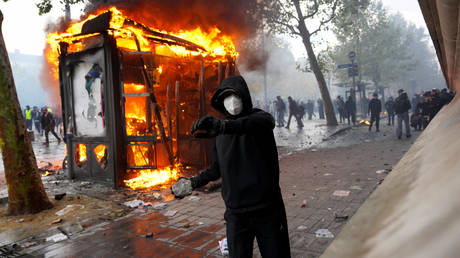
These groups share porous borders and deep historical disagreements over land demarcation, administrative boundaries, and local governance. When tensions boiled over following localized protests and flag-raising incidents, gunfire quickly replaced political dialogue. Heavy weaponry and urban clashes left civilian areas vulnerable, forcing residents to pack what little they could carry and head south toward the Kenyan frontier.
Estimates from the United Nations migration agency (IOM) and the UN Refugee Agency (UNHCR) indicate that between 36,000 and 40,000 people have crossed the border in a matter of days. Local officials in Kenya's Marsabit County report that the influx overwhelmed initial reception capacities almost immediately.
The Humanitarian Reality on the Kenyan Border
Crossing an international boundary doesn't automatically mean safety and comfort. It often means a desperate scramble for basic survival.
The Kenya Red Cross Society and local humanitarian organizations rushed emergency response teams to Moyale, providing tents, clean drinking water, and basic medical supplies. Yet the sheer scale of the displacement creates massive logistical hurdles.
- Overcrowded Camps: Thousands of displaced families are crammed into temporary settlements and local community compounds, including the Oriental Mission Church compound.
- Host Family Strain: Over half of the arrivals are being absorbed by relatives and local host families in northern Kenya, stretching local resources to a breaking point.
- Vulnerable Demographics: The vast majority of those fleeing are women, young children, and elderly residents who endured days of harrowing transit without adequate food or sanitation.
Clean water and sanitation are immediate concerns. In arid northern Kenya, sudden population spikes strain local wells and healthcare facilities, creating fertile ground for waterborne illnesses and respiratory infections among traumatized children.
Why This Crisis Follows a Dangerous Regional Trend
It is a mistake to view the violence in Moyale as an isolated local dispute. Ethiopia is navigating multiple simultaneous pressures.
From lingering political instability following the aftermath of the northern Tigray war to fresh flare-ups along various regional borders, state security forces are spread dangerously thin. Regional federalism in Ethiopia grants significant autonomy and armed capability to individual states, but it also creates friction points where ethnic minorities and overlapping territorial claims spark local wars.
Furthermore, diplomatic tensions with neighbors like Eritrea add another layer of volatility to the Horn of Africa. When domestic security fractures inside Ethiopia, the ripple effects hit neighboring nations immediately. Kenya, which already hosts nearly 900,000 refugees and asylum seekers from across East Africa, faces mounting economic and logistical strain.
What Happens Next
Rights groups, including the Kenya National Commission on Human Rights, are loudly reminding regional governments of their obligations under international law. The principle of non-refoulement—protecting refugees from being forced back into active combat zones—remains paramount.
Immediate aid delivery is only a short-term fix. True stability requires federal authorities in Addis Ababa to enforce local ceasefires, de-escalate ethnic hostilities between regional security forces, and establish durable political frameworks for border communities. Until a genuine political settlement takes root, border towns like Moyale will remain vulnerable to sudden eruptions of violence.
The displaced families currently sheltering in northern Kenya need sustained international food aid, medical intervention, and a credible path toward safety.