Europe is heading into the cold months with its energy safety net uncomfortably thin. Gas storage sites across the European Union sit at their lowest summer levels in over a decade, sparking urgent warnings of a price shock heading into late 2026 and early 2027. If you thought the energy crisis of 2022 was a one-off anomaly, the current market data suggests we are walking right back into a high-stakes squeeze.
Let's look at why the numbers look so grim, what is driving the crunch, and how households and businesses are bracing for the fallout.
The Reality of Empty Reservoirs
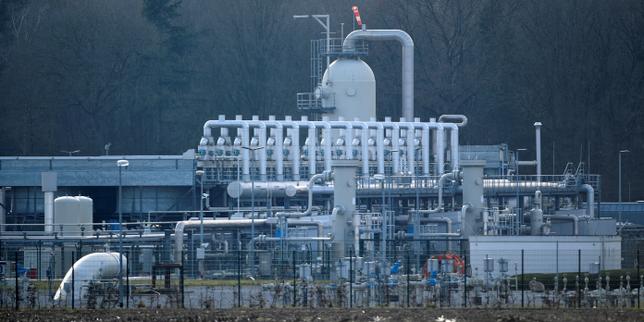
Data collected by Gas Infrastructure Europe (GIE) reveals that underground storage facilities are struggling to hit traditional safety thresholds. While European regulations historically aimed for a comfortable 90% filling rate ahead of the winter heating season, current injections are falling short.
The previous winter drained reserves faster than anticipated due to colder snaps and sustained heating demands. Now, as energy companies try to replenish stocks during the summer window—the exact time when prices should ideally stabilize—they are hitting severe roadblocks. Buying gas when storage is this low forces a rush on the spot market, driving wholesale prices upward just as demand starts to climb.
Why Recharging Has Become an Uphill Battle
You might wonder why utilities didn't simply fill the tanks earlier. The answer comes down to global competition and geopolitical bottlenecks.
First, the global market for liquefied natural gas (LNG) is fiercely competitive. Asian buyers, particularly in China and other rapidly growing economies, are aggressively bidding for available tanker cargoes. Europe no longer holds an unchallenged priority pass for global LNG shipments, meaning suppliers go to the highest bidder.
Second, maritime choke points have disrupted traditional transport routes. Tensions and security restrictions around vital trade corridors like the Strait of Hormuz have complicated the delivery of substantial volumes, notably from Middle Eastern producers like Qatar. When transit risks spike, shipping insurance rates explode, and spot prices react instantly.
The European market absorbs these shocks immediately. With domestic production constrained and pipeline imports limited, the continent relies heavily on spot-priced imports that fluctuate wildly based on daily headlines.
The Domino Effect on Electricity and Inflation
Gas doesn't just heat homes; it plays a critical role in setting electricity prices across many European grids. When gas gets expensive, power generation costs follow suit.
This creates a dual threat for consumers. Households face higher heating bills just as industrial operators confront climbing overheads. Energy-intensive sectors—such as chemicals, steel, and manufacturing—find themselves squeezed between international competition and skyrocketing local energy expenses.
Economists note that while broad inflation metrics have tried to stabilize, persistent energy volatility threatens to reignite price pressures. Governments that heavily subsidized consumer bills during previous crises no longer have the fiscal headroom to deploy the same massive relief packages. That means the financial impact lands much closer to home for everyday citizens.
Protecting Your Budget Against Market Volatility
If you are a consumer or business owner watching these trends, sitting back and hoping for mild weather is a risky strategy. Markets punish complacency.
Take a close look at your current energy contracts. If you are on a variable tariff tied directly to short-term market movements, you are entirely exposed to winter price spikes. Lock in fixed-rate options where available, or audit your energy usage to identify immediate efficiency gains. Upgrading insulation, optimizing heating schedules, and cutting baseline waste yield immediate savings that no market intervention can match.
Europe's energy vulnerability is a structural reality we have to manage, not a temporary glitch. Keep a close eye on storage metrics as the temperature drops, and make your moves before the peak heating season forces your hand.