The headlines screamed about numbers that defy common sense. Anthropic debuted on the Nasdaq under the ticker symbol ANT, pulling off the largest initial public offering in history. Let's look past the $81 billion raised and the eye-watering $1.5 trillion initial valuation. Most commentators miss the actual mechanics of how this artificial intelligence heavyweight pitched itself to Wall Street right before the bell rang.
Selling a frontier model lab to traditional public market investors isn't like hawking cloud storage or enterprise software. You are asking portfolio managers to price a moving target that burns capital on unprecedented compute clusters while operating under a public benefit corporation structure. Yet, the institutional and retail demand was so ferocious that Anthropic ended up expanding its offering to 980 million shares, pricing above its initial range at $83 before shooting past $111 on day one.
The Pivot From Circular Financing to Public Cash
For years, the narrative around generative artificial intelligence financing focused heavily on circular loops. Tech giants poured billions into labs, which promptly turned around and spent those exact dollars buying chips and cloud infrastructure from the same backers. Critics called it a house of cards.
Anthropic's pitch to public investors broke that mold entirely. Instead of relying solely on tech conglomerates to prop up operations, the company positioned its public debut as a clean break into independent market funding. With a combined war chest including private placements from major players like Google, Microsoft, Nvidia, and AMD, Anthropic didn't pitch itself as a dependent project. They framed the company as an essential enterprise utility.
When you read through the S-1 filings and roadshow notes, the core argument was simple. Claude had embedded itself deeply enough into corporate workflows, government agencies, and healthcare systems that revenue generation could finally detach from venture-style subsidies. Wall Street bought the pitch. Over half of institutional bidders reportedly received zero shares because the order books were flooded.
Managing the Public Benefit Paradox
Taking a public benefit corporation public is messy. Traditional investors care about one primary metric: returns. Anthropic's corporate charter legally mandates balancing profitability with safety and societal impact.
Skeptics warned that public market quarterly pressure would force management to water down safety research to juice margins. Anthropic's leadership took the opposite approach during investor meetings. They argued that long-term enterprise trust requires strict guardrails. If a frontier model suffers a catastrophic safety failure, enterprise clients flee. By leaning into its dual mission rather than hiding it, the company convinced buyers that its ethical framework is a moat, not a liability.
That distinction matters. Enterprise buyers want high-end capability paired with predictability. If safety protocols prevent costly hallucinations or security breaches, corporate adoption accelerates.
The Real Cost of Doing Business
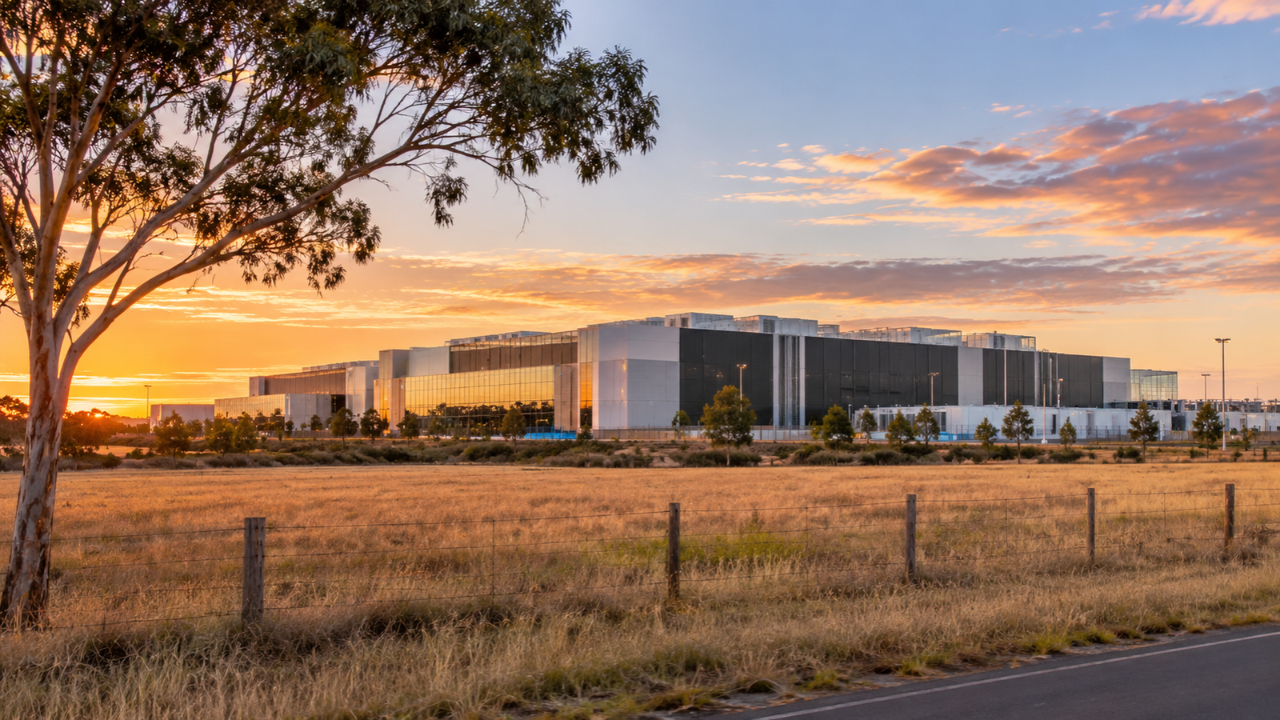
You cannot talk about this IPO without looking at the staggering infrastructure commitments. The prospectus disclosed nearly $901 billion in future computing and infrastructure outlays. That figure terrifies conservative analysts.
During the roadshow, investment bankers had to convince skeptical portfolio managers that these massive server bills aren't dead weight. They represent the physical machinery required to manufacture intelligence. Just as a railroad company has to lay tracks before collecting passenger fares, an artificial intelligence lab has to lock down compute capacity to serve enterprise clients at scale.
Anthropic's strategy relied on reframing these costs as revenue-linked necessities rather than reckless burn rates. Because demand for Claude outpaced expectations—with investors seeking roughly six times the available shares—the market decided the infrastructure spending was justified.
What This Means Moving Forward
The success of the ANT ticker changes the game for every other player in the sector. It proves public markets are willing to swallow multi-trillion-dollar valuations for foundational model providers, provided they show enterprise traction.
The honeymoon phase won't last forever. Now that the bell has rung and the initial trading surge has settled into reality, quarterly earnings reports will replace hype. Every missed margin target or infrastructure bottleneck will face immediate scrutiny from public shareholders who don't share the patient optimism of early venture backers.
Anthropic sold itself as the adult in the room of artificial intelligence development. Now it has to prove it can deliver sustainable earnings while keeping the lights on across the largest compute clusters ever built.