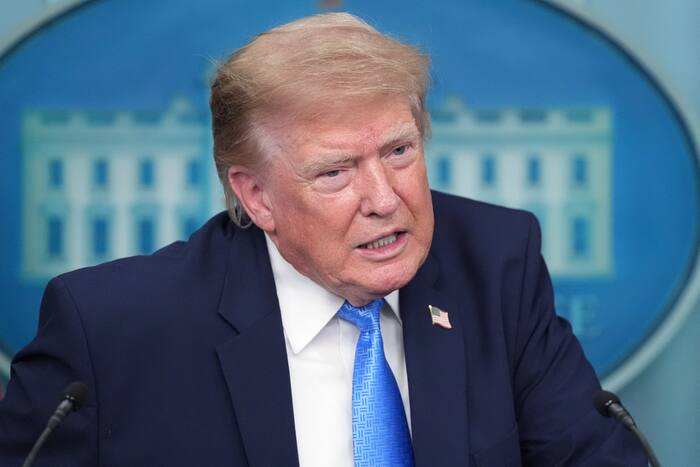
Three presidents walk into a room in Shenzhen, and half the world's smaller nations suddenly wonder who just traded away their future. That's the gut reaction behind comparing the first-ever trilateral meeting of Xi Jinping, Vladimir Putin, and Donald Trump alongside the 2026 APEC summit in Shenzhen to the famous 1945 Yalta Conference.
Yalta isn't just a history lesson about Franklin Roosevelt, Winston Churchill, and Joseph Stalin sitting down in Crimea as World War II neared its end. In diplomacy, "Yalta" has become shorthand for big powers cutting deals over the heads of everyone else, locking in spheres of influence, and leaving smaller countries to live with the fallout. When the leaders of the United States, China, and Russia gather for a rare three-way sit-down in mid-November 2026, that historical nerve gets hit right away.
Yet calling Shenzhen a modern Yalta gets plenty wrong. In 1945, the Big Three were wartime allies dividing up postwar Europe and shaping the United Nations. In Shenzhen, Xi, Putin, and Trump aren't allied partners carving up a defeated continent—they're rivals, frenemies, and sparring partners managing nuclear risks, regional wars, and fierce economic competition. Still, the comparison sticks because the fear feels eerily familiar.
Why the 1945 Yalta comparison refuses to die
Look at why historians, columnists, and jittery diplomats keep reaching for Yalta every time Washington, Moscow, and Beijing get close to a three-way table.
Back in February 1945, Roosevelt, Churchill, and Stalin hashed out plans for postwar Europe, including the division of Germany, arrangements for Poland and Eastern Europe, and the blueprint for the United Nations. On paper, there were high-minded pledges like the Declaration on Liberated Europe promising free elections. In practice, Soviet military control on the ground shaped what actually happened across Eastern Europe, setting the stage for decades of Cold War division.
For decades afterward, critics in both the West and affected countries viewed Yalta as a cautionary tale about great-power realism overriding smaller states' sovereignty. Whenever three heavyweights gather without smaller neighbors in the room—especially around a regional summit like APEC where 21 economies are supposed to be talking trade and cooperation—anxious capitals ask the same question: Are we on the menu?
Add in the optics of 2026 and the parallel gets louder. We're watching a world with active conflicts tied to Ukraine and Iran, strained alliances, tariff battles, and a nuclear arms environment that looks far less predictable than it did a few years ago. Even if the Shenzhen trilateral is scheduled for a relatively brief window on the sidelines of APEC, the sheer symbolism of the three biggest military and nuclear powers sitting down together makes people reach for the heaviest historical label they have.
What actually makes the Xi Putin Trump meeting different from Yalta
If you've ever watched a history analogy get stretched past its breaking point, this is one of them. Calling the Xi Putin Trump trilateral a second Yalta sounds dramatic, and it drives clicks, but it misses how differently power works in 2026.
First, there's no shared postwar settlement on the table. Roosevelt, Churchill, and Stalin were coordinating military victory and postwar administration across occupied territories. Xi, Putin, and Trump don't share a single grand vision for global order. Beijing talks about opposing protectionism and promoting its own vision of stability, Moscow pushes back against Western sanctions and seeks leverage over security arrangements, and Washington approaches talks with a mix of transactional dealmaking, tariff pressure, and pushback against rival influence.
Second, this isn't a closed-door concert of allies dictating terms to a passive world. APEC brings together 21 Pacific Rim economies with deep trade ties of their own, and other major players in Europe and Asia aren't simply waiting quietly for instructions from Shenzhen. As analysts at institutions like the Atlantic Council have pointed out, expectations for sweeping grand bargains in a short trilateral are low because the three leaders bring conflicting priorities and little underlying trust.
Third, let's be honest about personal chemistry versus institutional power. In 1945, agreements were backed by massive armies already stationed across Europe. In 2026, leaders love talking about personal rapport, airport welcomes, and tough negotiation styles, yet real-world follow-through runs into domestic politics, ally pushback, verification hurdles, and economic realities. A handshake or a hug at a summit doesn't automatically rewrite treaties or erase decades of rivalry.
Nuclear arms, Iran, and Ukraine on the real agenda
Strip away the Yalta mythology and look at what's actually pulling these three leaders into the same orbit right now: nuclear risk and major regional wars.
Nuclear arms control after New START
One of the biggest structural shifts behind this meeting is the collapse of old nuclear guardrails. With the New START treaty having expired earlier in 2026, bilateral limits between the U.S. and Russian strategic nuclear arsenals came off for the first time in over half a century. Meanwhile, China has been expanding its nuclear forces, and Washington has argued for a broader, modernized framework that brings Beijing into arms discussions rather than leaving it on the sidelines.
Getting meaningful arms control among three nuclear-armed powers is brutally hard in practice. Verification rules, missile defense debates, and asymmetric stockpile sizes complicate every single proposal. Even if the three presidents only talk about crisis communication or keeping channels open, that's a very different beast from Yalta's map-drawing—it's risk management in a world where old treaties have lapsed.
The wars involving Iran and Ukraine
Regional conflicts are the other reason smaller and mid-sized nations feel so jumpy. Reports around the Shenzhen gathering have pointed to discussions around the conflict involving Iran alongside ongoing tensions tied to Russia's war in Ukraine, even as officials emphasize separate diplomatic tracks and differing agendas.
Here's why the Yalta anxiety flares up specifically around conflicts like Ukraine or Middle Eastern flashpoints: when powerful capitals talk about crises involving other sovereign states, affected countries worry about backroom compromises made without their full say. Even when leaders insist no final deal is being cut behind closed doors, the optics of three major powers discussing regional security together make smaller states nervous.
What smaller nations and businesses get wrong about great-power summits
Having covered international policy and geopolitical risk long enough, I see two classic mistakes whenever a high-profile three-way summit hits the headlines.
The first mistake is assuming every summit produces a secret master plan. Most of the time, high-stakes meetings between rivals are messy, cautious, and incremental. Leaders test each other's red lines, signal domestic strength, and avoid binding concessions they aren't ready to defend back home. Treat every headline about a "new world order" as theater first until you see concrete policy changes on the ground.
The second mistake is going the opposite way and assuming nothing changes at all. Even without a formal treaty or a Yalta-style map redraw, normalization matters. Simply holding a trilateral summit alongside APEC shifts diplomatic norms, signals how leaders prioritize relationships, and shapes how neighboring countries hedge their bets on trade, defense, and technology.
Basically, you don't need a literal repeat of 1945 to feel the ripple effects of big-power maneuvering. Markets react to tone and uncertainty, allies react to perceived distance or closeness, and smaller states constantly adjust to avoid getting squeezed in the middle.
Practical next steps if you're tracking this story
If you're following the Shenzhen summit and what it means for global politics, trade, or security—whether as a student, researcher, business operator, or engaged reader—don't get lost in historical slogans. Take a few concrete steps:
- Separate symbolism from binding commitments. When reading coverage of the trilateral, check whether officials are announcing actual agreements, inspection frameworks, or policy shifts, or simply holding introductory talks and trading talking points.
- Watch the surrounding bilateral and multilateral tracks. Pay close attention to what happens in separate one-on-one meetings, APEC trade discussions, and ongoing diplomatic channels involving affected countries like Ukraine or regional partners, since real movement often happens outside a single three-way room.
- Read primary statements alongside independent analysis. Compare official readouts from Washington, Beijing, and Moscow against sober assessments from independent policy researchers and international wire services so you spot spin right away.
- Track concrete indicators over the next few weeks. Keep an eye on tariff and export-control announcements, nuclear arms commentary, and diplomatic statements from European and Indo-Pacific capitals to see if the meeting actually changed behavior.