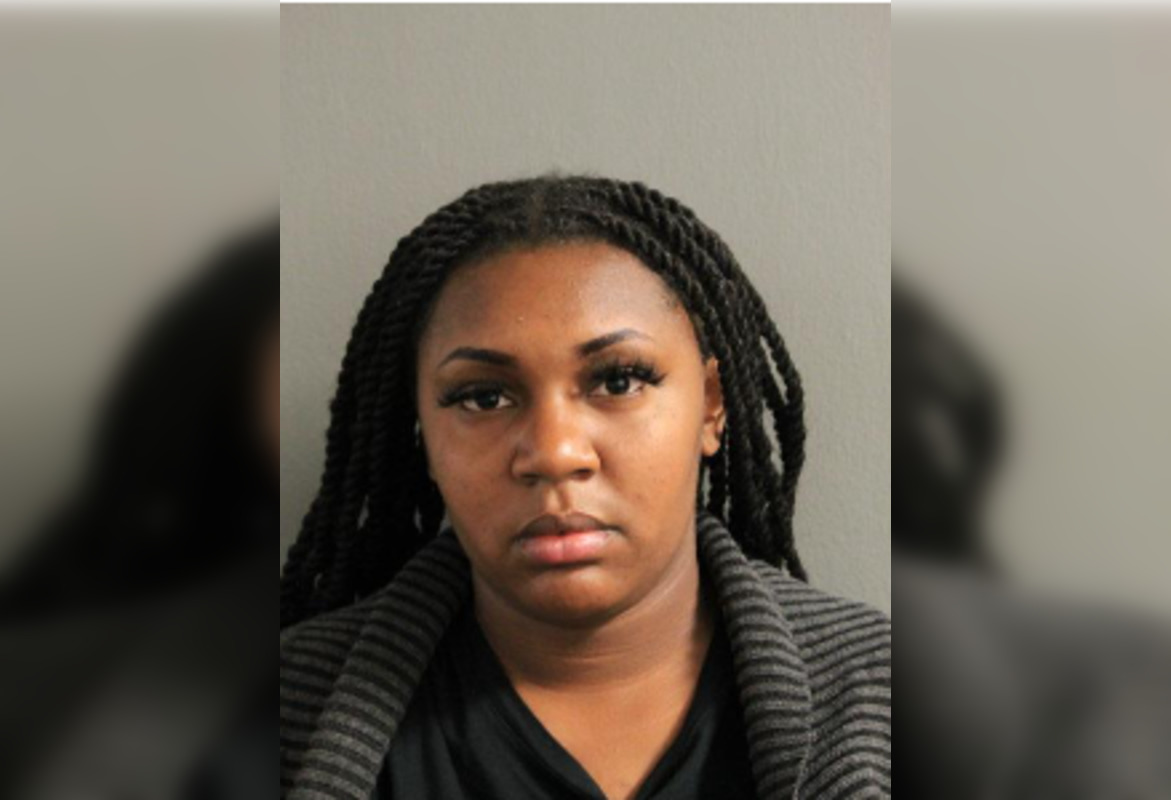
Federal prosecutors recently indicted Christian Castro, an Immigration and Customs Enforcement officer, on six counts of making false statements to the FBI. The charges stem from a January incident in Minneapolis during Operation Metro Surge, where Castro shot 24-year-old Venezuelan immigrant Julio Cesar Sosa-Celis in the leg through the door of an occupied duplex.
If you look past the standard Department of Justice press releases, you see a glaring reality. Law enforcement officers rarely face federal felony indictments for using force on duty. When they do, the charges frequently target the cover-up rather than the underlying act of violence.
The incident in north Minneapolis started with a vehicle pursuit. Castro tackled the driver in a front yard, leading to a brief physical struggle. Sosa-Celis came out to help his roommate escape inside. As they tried to close the door, Castro fired a round right through it.
Then came the official narrative. Castro claimed three men attacked him with a red broom and a black snow shovel. He swore he was pinned on his back, taking a beating, before firing in self-defense. Federal prosecutors initially accepted this version, slapping Sosa-Celis and his roommate with assault charges.
Those charges collapsed instantly once city surveillance footage emerged. The video showed no broom, no shovel, and an altercation that lasted barely 11 seconds. Castro stood up and shot through a closing door. The government dropped its case against the victims, but accountability stalled at the institutional level.
The Fight Over Lesser Charges
Critics and victim advocates argue that prosecuting an agent solely for lying to investigators misses the point entirely. Attorney Robin Wolpert, representing Sosa-Celis, pointed out that the false statement charges were merely a shield to obscure an unjustified shooting into an occupied home.
Internal discord quickly spilled into public view. Reports surfaced that a federal prosecutor investigating the case was fired after objecting to the decision to drop potential civil rights violations in favor of lighter false statement counts. Civil rights charges carry much harsher penalties and directly address the abuse of police power. Settling for process crimes like lying to federal agents lets agencies claim they took action while avoiding a precedent-setting trial on excessive force.
Meanwhile, jurisdictional ping-pong delayed basic legal proceedings. After local authorities in Hennepin County brought state assault charges, Texas Governor Greg Abbott declined an extradition request, leaving Castro free on bond in Texas before federal authorities took custody.
What This Means for Immigration Enforcement Accountability
The case highlights systemic blind spots within rapid-deployment federal sweeps. During high-intensity operations like Operation Metro Surge, thousands of agents deploy into urban centers, often operating without standard body cameras or strict local oversight.
When things go wrong, the default reflex of the agency is to back the officer's initial report. Prosecutors relied on those statements to criminalize the victims before checking objective evidence. If municipal surveillance cameras hadn't captured the 11-second encounter, Sosa-Celis and his roommate might still be fighting felony convictions for defending their home.
Real reform requires looking beyond individual bad actors and examining the institutional incentives that reward defensive dishonesty. Until federal agencies prioritize transparency over reflexive self-protection, indictments for lying to investigators will remain an isolated compromise rather than a true tool of justice.
Review your local guidelines, track how federal oversight bodies handle use-of-force complaints, and demand independent reviews whenever law enforcement accounts contradict public video evidence.