You picture a massive table groaning under the weight of butter-basted turkey, marshmallow-topped sweet potato casserole, and towering slices of pumpkin pie. It is the quintessential American image. But if you dropped into the legendary 1621 harvest celebration in Plymouth, Massachusetts, you would barely recognize a single dish on the wooden boards.
Historians and foodways experts have spent decades picking apart the primary sources—mostly a single surviving letter written by colonist Edward Winslow—to strip away centuries of romanticized myth. The truth is messy, fascinating, and entirely devoid of pie crusts. Meanwhile, you can read other developments here: How A Wartime Codebreaker Kept His Silence For Over Half A Century.
Forget everything you know about modern Thanksgiving spreads. The reality of what happened in Plymouth offers a stark reminder of how rapidly cultural traditions can be manufactured and completely rewritten.
The Main Course Was Not What You Think
Turkey was definitely running around the Massachusetts woods. Governor William Bradford even noted that the colonists had a "great store of wild turkeys." However, when modern food historians like Kathleen Wall at Plimoth Patuxet look at the actual text, wildfowl takes center stage. To understand the full picture, check out the excellent report by The New York Times.
Hunters sent out by the colony returned with an enormous haul of ducks, geese, and swans. They didn't toss them into an oven. Instead, they spit-roasted smaller birds or boiled larger ones down to extract precious fat.
Venison was the other absolute certainty on the menu. The Wampanoag delegation, numbering around 90 men, arrived with five freshly hunted deer to contribute to the multi-day gathering. Without wheat flour, butter, or functional ovens, baking was basically out of the question. There were no flaky pastry shells, no gravy boats, and certainly no marshmallow toppings.
What Was Missing From the Table
If you have a sweet tooth, 1621 would have been your worst nightmare.
The colonists lacked butter and refined wheat flour, which meant pies, tarts, and biscuits did not exist at this meal. Pumpkins and squashes were definitely eaten, but they were stewed or roasted as savory vegetables rather than baked into spiced custard shells.
You can also cross off mashed potatoes. Native to South America, potatoes had not yet made their way onto the New England colonial table. Sweet potatoes were similarly absent.
Cranberry sauce? Not a chance. While wild cranberries grew locally, it took another fifty years before an Englishman bothered to write down a recipe combining them with boiling sugar to create a tart condiment for meat.
Instead of sitting down to a refined feast with wine and beer, the English and Wampanoag likely washed down their roasted meat and venison with plain water. Local beer supplies were nearly exhausted, and clean water was the default drink of survival.
How the Myth Took Over
The 1621 gathering wasn't even called "Thanksgiving" by the people who attended it. It was simply a standard English harvest celebration, modeled loosely on traditional English Lammas feasts, blended with Wampanoag harvest traditions. It was a one-off event that wasn't repeated the following year.
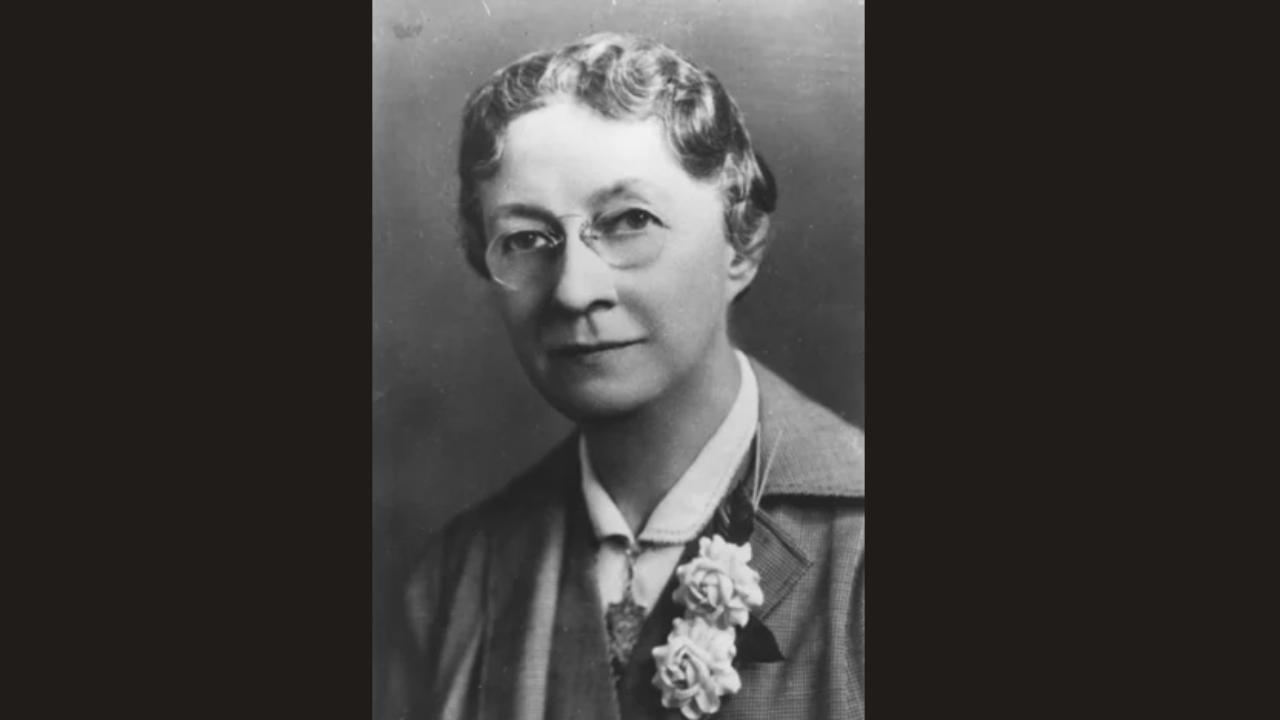
For centuries, the event faded into historical obscurity. It wasn't until the nineteenth century, largely driven by tireless lobbying from magazine editor Sarah Josepha Hale, that the United States adopted a unified national holiday. Hale spent decades publishing menus and stories in Godey's Lady's Book, transforming a forgotten colonial harvest dinner into a patriotic symbol meant to stitch a fractured nation together before the Civil War.
Artists piled on later, painting pilgrims in stark black-and-white buckles and inventing cozy domestic scenes that never happened. They dressed Wampanoag attendees in regalia borrowed from entirely different indigenous nations hundreds of miles away.
Moving Past the Crate of Myths
When you sit down for dinner this November, you aren't actually recreating history. You are participating in a nineteenth-century invention layered over a seventeenth-century political alliance that dissolved into conflict within a single generation.
Knowing the real menu changes the flavor of the holiday. It strips away the plastic filter of school plays and lets you see the pragmatic, gritty reality of survival cooking on the edge of a new world.
A Deep Dive Into the Real History of Thanksgiving
This video breaks down twenty-five authentic foods actually served in the Plymouth Colony, offering a closer look at what the early settlers and Wampanoag ate.