History loves to romanticize lone inventors tinkering in barns, but the actual foundation of modern American food safety was built in a government laboratory by a woman who had to use her initials just to secure an interview.
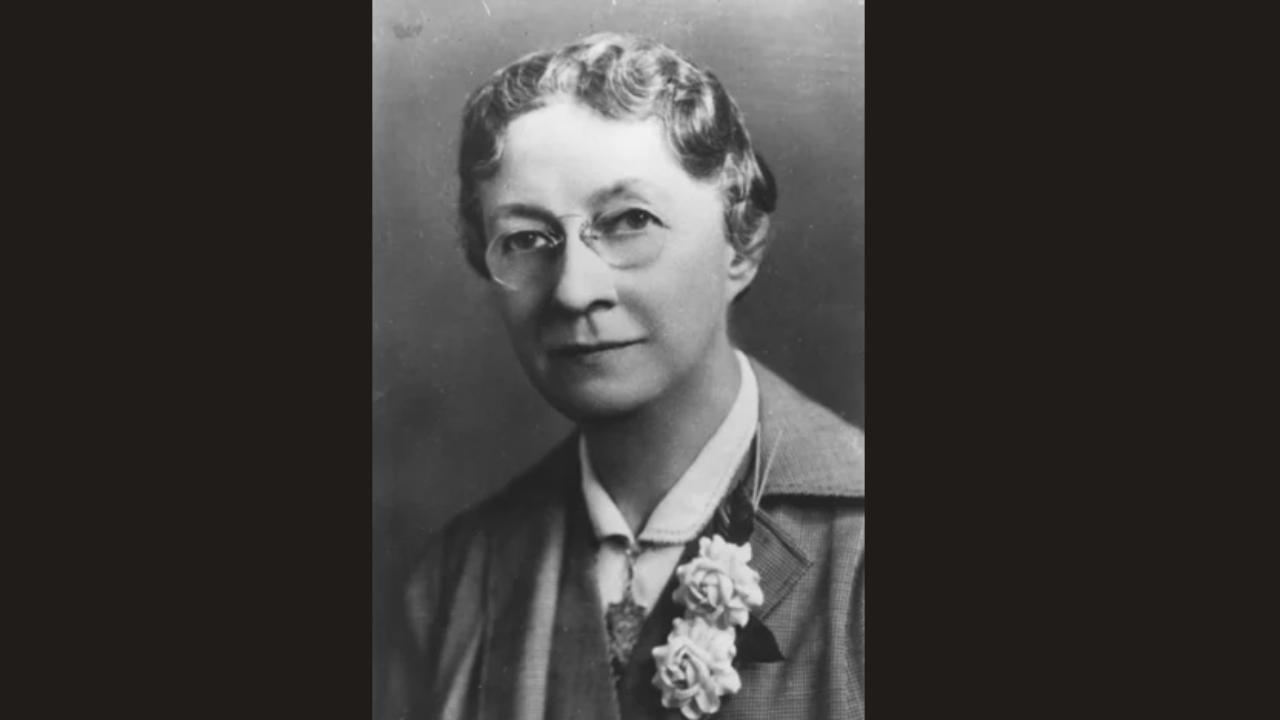
Long before supermarket aisles brimmed with frozen vegetables and temperature-controlled dairy, American food supply chains were a public health nightmare. Spoiled milk, tainted meat, and decaying eggs sickened thousands daily. Enter Mary Engle Pennington, a brilliant chemist who didn't just study the science of cooling—she designed the entire logistical framework that made safe, large-scale urban food distribution possible.
The Academic Battleground
Born in 1872, Pennington set her sights on the University of Pennsylvania at a time when higher education treated female scholars like trespassing anomalies. She didn't let institutional sexism stop her. She approached the dean of the Towne Scientific School, earned a certificate of proficiency because women weren't officially awarded degrees there, and ultimately completed her Ph.D. in chemistry by age twenty-two.
When she entered the professional workforce, doors slammed shut. Laboratories didn't want female chemists. Instead of backing down, she opened her own analytical business in Philadelphia, testing milk supplies for the city government. That early municipal work exposed her to the grim reality of America's food supply. Milk was frequently laced with harmful bacteria, and poultry shipped via rail arrived half-rotten.
Engineering the Cold Chain
Her big break came in 1907 when Dr. Harvey W. Wiley, chief of the USDA’s Bureau of Chemistry, wanted Pennington for a new federal role. Knowing that hiring a woman would trigger bureaucratic resistance, Wiley cleverly submitted her application under the name "M.E. Pennington". She scored the highest grade on the civil service exam, got the job, and became the very first female laboratory chief at the agency.
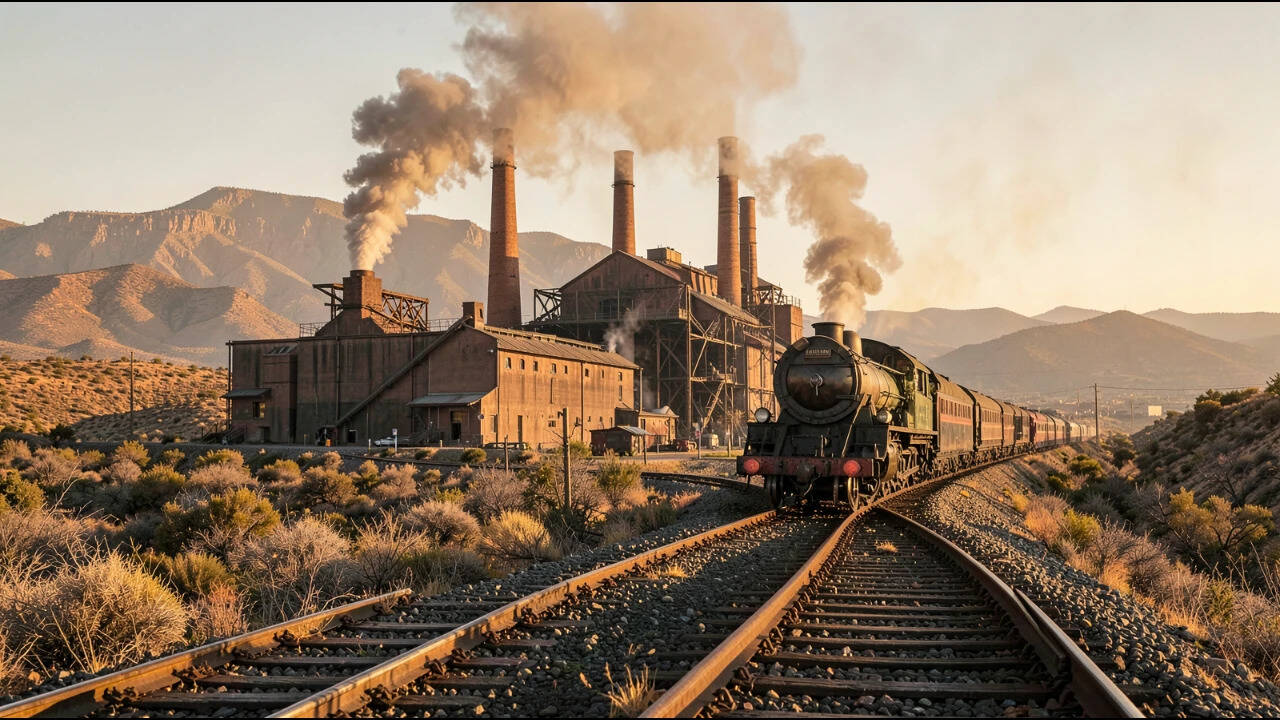
As head of the newly created Food Research Laboratory, Pennington tackled a massive systemic failure: the transit of perishable goods. Railroad reefer cars were poorly insulated, ice placement was arbitrary, and food spoiled en route from rural farms to exploding industrial cities.
She rolled up her sleeves, literally climbing inside moving refrigerated railcars to measure humidity, airflow, and temperature gradients. She didn't just write theoretical papers. She redesigned the physical infrastructure of transport. She established strict handling protocols for poultry, dairy, and eggs, inventing the foundational concept of the "cold chain"—an uninterrupted series of temperature-controlled storage and distribution activities.
World War I and Industrial Adoption
Her theories faced fierce pushback from commercial distributors who didn't want to spend money upgrading equipment. Then came World War I.
The U.S. government took control of the nation's railroads and quickly realized that millions of pounds of military rations were rotting before reaching troops or domestic markets. Pennington stepped up as a key advisor to Herbert Hoover’s U.S. Food Administration. Suddenly, her meticulous blueprints for insulated boxcars and hygienic processing plants weren't optional suggestions. They became federal mandates.
Her innovations slashed food waste overnight, proved that perishable goods could travel thousands of miles safely, and permanently altered consumer habits.
Beyond the Lab
After leaving government service in 1919, Pennington didn't slow down. She worked as a private consultant, shaped domestic kitchen refrigeration, and founded the Household Refrigeration Bureau to teach families how to keep home iceboxes safe. She secured patents for egg preservation methods and cooling equipment, cementing her status as a titan of industrial engineering.
When she passed away in 1952, she left behind a completely transformed food economy. Every time you grab fresh milk, crisp meat, or frozen produce from a grocery store shelf, you are living inside the logistical architecture built by Mary Engle Pennington.
Take a closer look at how modern supply chains operate, and start applying rigorous, data-backed temperature controls in your own commercial or culinary logistics today.