German Chancellor Friedrich Merz just stepped up to the podium in Berlin and dropped a heavy accusation. He pointed straight at the far-right Alternative for Germany party and accused them of backing "ethnic cleansing."
It's a brutal escalation of rhetoric. Why now? Because the mainstream political establishment took a nasty beating in the regional election in Saxony-Anhalt. The Alternative for Germany surged to a major victory, riding a wave of anti-migration anger and deep frustration with Berlin.
When you lose big, panic sets in. Merz is feeling the heat. His approval ratings are tanking, his party is stumbling, and the traditional firewall built to keep the far right out of power is cracking under pressure.
What Sparked the Firestorm
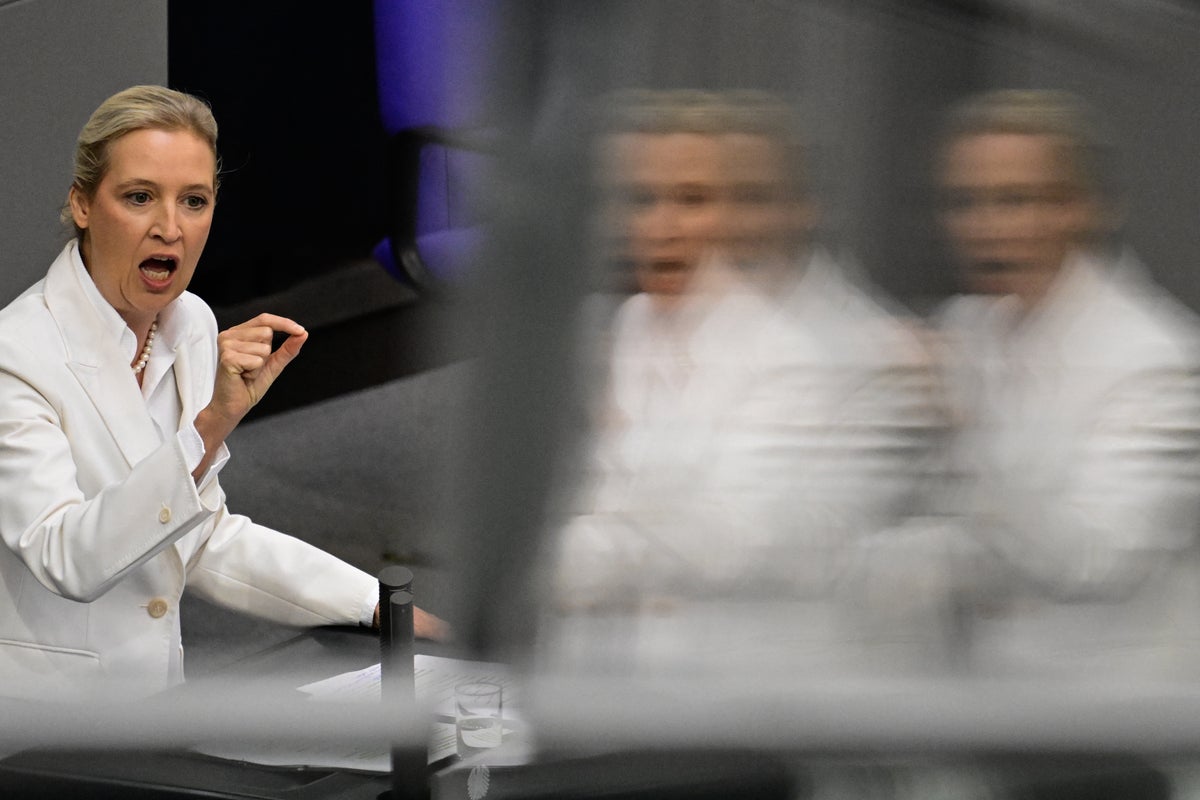
The clash in the Bundestag didn't happen in a vacuum. Days earlier, voters in Saxony-Anhalt handed the Alternative for Germany a massive win. Co-leader Alice Weidel and her party campaigned heavily on sweeping immigration restrictions, closing borders, and halting military support for Ukraine.
Merz didn't hold back in his response. He targeted the party's favorite buzzword: "remigration."
If you listen to the Alternative for Germany, remigration means executing legal deportations of rejected asylum seekers, foreign criminals, and encouraging voluntary departures. They claim it's all strictly legal.
Merz sees it completely differently. He told parliament that pushing these radical policies into reality is just a polite word for ethnic cleansing based on origin and skin color.
Lawmakers from the far-right hit right back. They accused the chancellor of fabricating demonization to protect a failing status quo. They argue Merz is deliberately twisting their manifesto to keep voters terrified of alternatives.
The Economic Reality Behind the Debate
Politics aside, Germany faces a harsh labor math problem. Merz pointed out the obvious flaw in mass deportation plans. Who runs the country if every foreign-born worker packs up and leaves tomorrow?
Not a single nursing home functions. Hospitals grind to a halt. Restaurants close their doors.
That is the practical wall the far-right program runs into. You can campaign on sealing borders, but shutting down the workforce destroys the economy overnight. Yet, voters dealing with housing shortages, local service strains, and economic stagnation don't care about macroeconomic warnings. They feel ignored by Berlin, and that anger translates straight into ballots.
Russia, Foreign Policy, and Broken Promises
The confrontation wasn't just about immigration. Merz also hammered the opposition over foreign policy. He accused them of acting as a fifth column for Moscow, pointing to lingering tensions over recent security incidents and their loud demands to cut off aid to Ukraine.
The Alternative for Germany denies being in Russia's pocket. Still, their friendly stance toward the Kremlin appeals to segments of eastern Germany with deep historical ties to the former Soviet sphere.
Merz tried to find a silver lining in the numbers. He reminded the chamber that fifty-six percent of voters in Saxony-Anhalt actually voted for other parties. The far-right fell short of an absolute majority.
What Happens Next
The election in Saxony-Anhalt left everyone in political limbo. Mainstream parties maintain their refusal to form coalitions with the far-right, maintaining the famous firewall. But political walls crumble when math gets tight.
If smaller factions decide to break ranks and deal with the election winners out of pure opportunism, the political landscape in Germany shifts permanently. Merz can throw around strong labels like ethnic cleansing all he wants, but words don't stop a political movement riding a wave of public discontent.
Stop pretending strong rhetoric replaces actual solutions. Real political shifts happen when the establishment fails to fix the everyday problems people face.