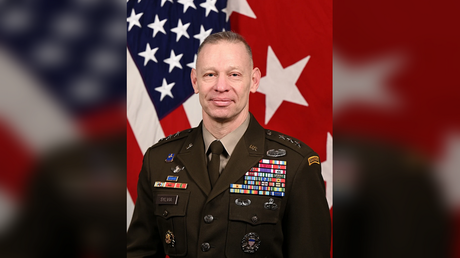
Security clearances mean nothing when high-ranking officials decide to bypass the chain of command. The Pentagon recently fired Lt Gen Brett Sylvia after discovering he leaked classified war details regarding Iran and Ukraine to journalists.
It wasn't just a casual slip of the tongue. Investigators caught the breach after the general failed three consecutive polygraph tests and subsequently admitted on video to handing over sensitive defense information. The fallout exposes major vulnerabilities in top-tier military intelligence handling.
The Breaking Point at the Pentagon
Chief Pentagon spokesman Sean Parnell stated publicly that the department took immediate personnel action to safeguard sensitive information. When high-level military planners start sharing classified updates with reporters, national security protocols face an immediate stress test.
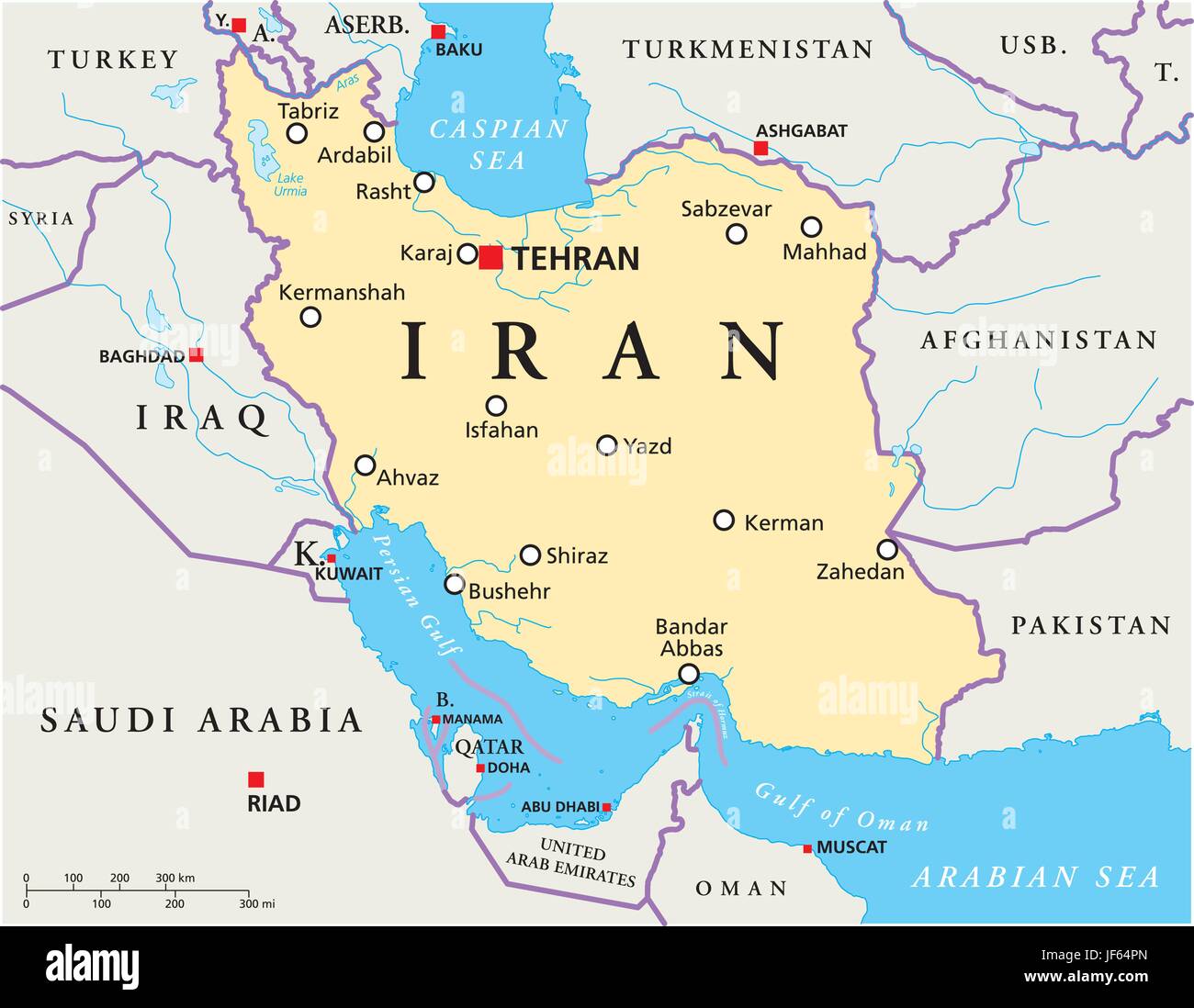
The leaks hit a raw nerve. Operations involving Iran and Russia remain under intense global scrutiny, especially as US and allied forces balance ongoing Middle East tensions with strategic European defense commitments. Compromising these timelines puts boots on the ground at direct risk.
Why Polygraph Failures Triggered the Probe
Many people wonder how internal leaks actually get traced back to senior leadership. Investigators rarely stumble on these breaches by accident.
When sensitive operational plans regarding foreign conflicts show up in media reports, counterintelligence teams narrow down the suspects with access. In this case, the scrutiny zeroed in on high-level personnel.
Polygraph examinations serve as a primary vetting filter within military intelligence. Failing three polygraph tests in a row isn't a statistical anomaly. It signals severe deception during a national security investigation. Once confronted with the failing results, the general recorded a video admission confirming he leaked the restricted material.
The Cost of Information Leaks in Modern Warfare
Information leaks change battlefield dynamics overnight. Adversaries like Iran and Russia monitor public reporting to map out western military calculations, ammunition stockpiles, and deployment schedules.
When sensitive details leak into public feeds, tactical advantages disappear. Military commands are forced to redraw operational blueprints, costing millions of dollars and delaying vital maneuvers. Trust within the upper echelons of the defense department takes a massive hit, leading to stricter surveillance on commanders who previously operated with minimal oversight.
What Happens Next for Military Accountability
The dismissal of a three-star general sends a loud message across the armed forces. Rank doesn't exempt anyone from espionage laws or security oaths.
Internal affairs units across the Department of Defense are tightening clearance audits. Expect more rigorous monitoring of communications between senior officers and media members.
Accountability starts at the top. If the Pentagon wants to stop future classified leaks, punishing high-level offenders swiftly is the only language that works.