You can drop aircraft carriers outside the Strait of Hormuz and slap every embargo imaginable on a nation, but money and supply chains find a way. That is the blunt reality staring Western intelligence agencies right in the face. Despite an aggressive American naval blockade and punishing, decades-long economic penalties, Tehran has quietly kept its military hardware pipeline wide open.
How? Through an astonishingly vast underground web of over 5,000 numbered agencies and front companies.
Recent investigative findings reveal that this sprawling commercial apparatus functioned as the Iranian military's ultimate financial and operational lifeline. While politicians in Washington and defense planners in Tel Aviv debated the finer points of containment, thousands of shadowy entities were busy moving billions of dollars worth of restricted hardware.
Inside the Multi-Billion Dollar Procurement Machine
Let's look at the sheer scale of the operation. Documents and import-export tracking data show that single operational entities—such as one tracked under the administrative designation MOD 346428—funneled roughly $2.3 billion in restricted military-related goods. We aren't just talking about minor components or smuggled dual-use electronics.
The cargo lists featured heavy-duty trucks primed for missile launcher modifications, raw explosives, vital rocket-fuel ingredients, and specialized aircraft engine parts. Former U.S. Treasury officials who spent years designing Iran-focused sanctions note that this shadow network operates with the precision of an industrial conglomerate. It’s built to withstand maximum pressure campaigns without missing a single beat.
The mechanics of evasion are straightforward on paper, yet notoriously difficult to choke off in practice. Tehran relies on a revolving cast of third-party intermediaries, frontmen, and offshore accounts. These entities obscure the ultimate end-user, making standard maritime interdiction feel like playing an endless game of corporate whack-a-mole.
The Logistics Corridor Across Eurasia
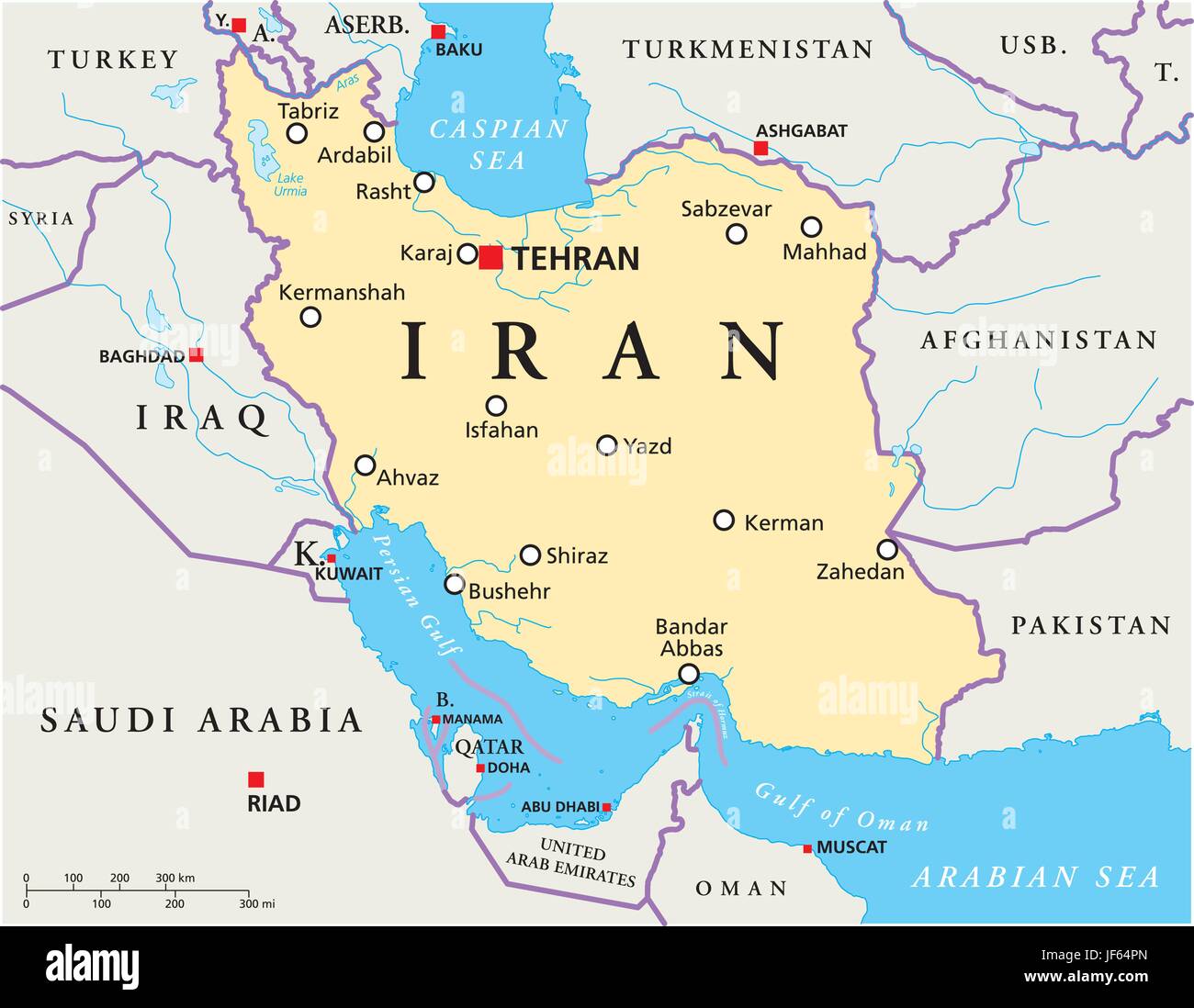
When the U.S. Navy clamps down hard on Persian Gulf shipping lanes, the cargo simply shifts routes. Import records demonstrate a multi-pronged transit corridor spanning across international borders:
- Cargo ships cross the Caspian Sea carrying supplies originating from Russia.
- Heavy trucks rumble across Central Asian transit routes to bypass maritime chokepoints.
- Freight planes touch down with high-priority components.
Even the United Arab Emirates has surfaced in trade data as a transit hub, accounting for tens of millions of dollars in goods—often listed generically as electronics—flowing toward Iranian buyers by sea, particularly during temporary windows when naval enforcement shifted.
Beyond raw military parts, the network also secures advanced industrial machinery. Import codes point toward computer-controlled lathes, electron-beam furnaces, and particle accelerators. These tools have legitimate manufacturing applications, but they double as the exact infrastructure needed to scale up domestic missile and drone manufacturing.
Why Traditional Sanctions Hit a Wall
Sanctions rely on a simple premise: squeeze a regime hard enough financially, and it will eventually abandon its strategic ambitions. But nations under existential pressure don't fold. They adapt. By decentralizing procurement across 5,000 distinct fronts, Iran ensured that taking down any single shell company or freezing one bank account wouldn't paralyze the broader machine.
The reality is that strict embargoes create high-profit margins for smugglers, which in turn fuels the very shadow networks designed to outwit them. As long as regional conflicts persist and high-stakes geopolitics demand advanced munitions, the incentive to keep the shadow fleet running will outweigh the cost of compliance.
The blockade remains a powerful tool on paper, but Tehran's masterclass in sanctions evasion proves that physical and digital borders are porous if you have enough fronts, routing options, and time.