Israel's political system is spinning its wheels again, and this time, the chaos has triggered a high-stakes national security intervention.
Following a tense national vote that left the Knesset deadlocked, Central Elections Committee Chairman Justice Noam Sohlberg took an extraordinary step. He officially asked Shin Bet Director David Zini to launch an urgent security probe into suspected foreign funding and improper external meddling. When the internal security agency gets pulled into counting ballots, you know the political landscape has crossed into uncharted territory.
The Anatomy of a Deadlock
The core issue isn't just that the numbers failed to produce a clear winner. Prime Minister Benjamin Netanyahu’s right-wing bloc fell short of the magic 61-seat majority required to form a government, securing roughly 53 seats. Meanwhile, the opposition bloc landed around 48 seats.
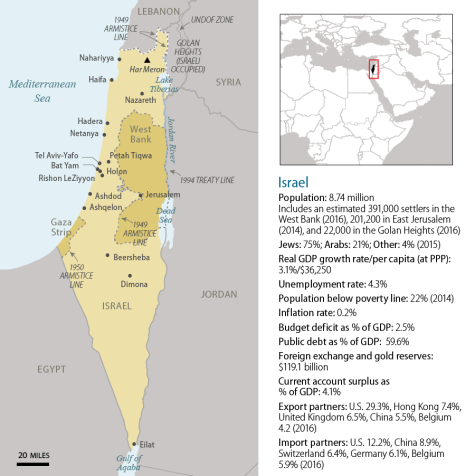
The wild card? Arab parties surged, capturing an unprecedented 19 seats and instantly transforming into potential kingmakers. That historic surge in turnout—particularly in Arab-dominated strongholds like Nazareth, where participation cleared 80 percent—shifted the mathematical reality of the Knesset overnight.
Right-wing factions didn't just accept the shift quietly. Accusations of "stolen elections" erupted almost immediately. Netanyahu's camp pointed to alleged cash distributions, voting irregularities, and suspicious ballot handling at specific polling stations, demanding comprehensive criminal and security investigations.
Where Foreign Money Enters the Frame
While local politicians bicker over fraud allegations and police push back on widespread manipulation claims, Sohlberg's directive to the Shin Bet targets a darker layer of anxiety: external actors.
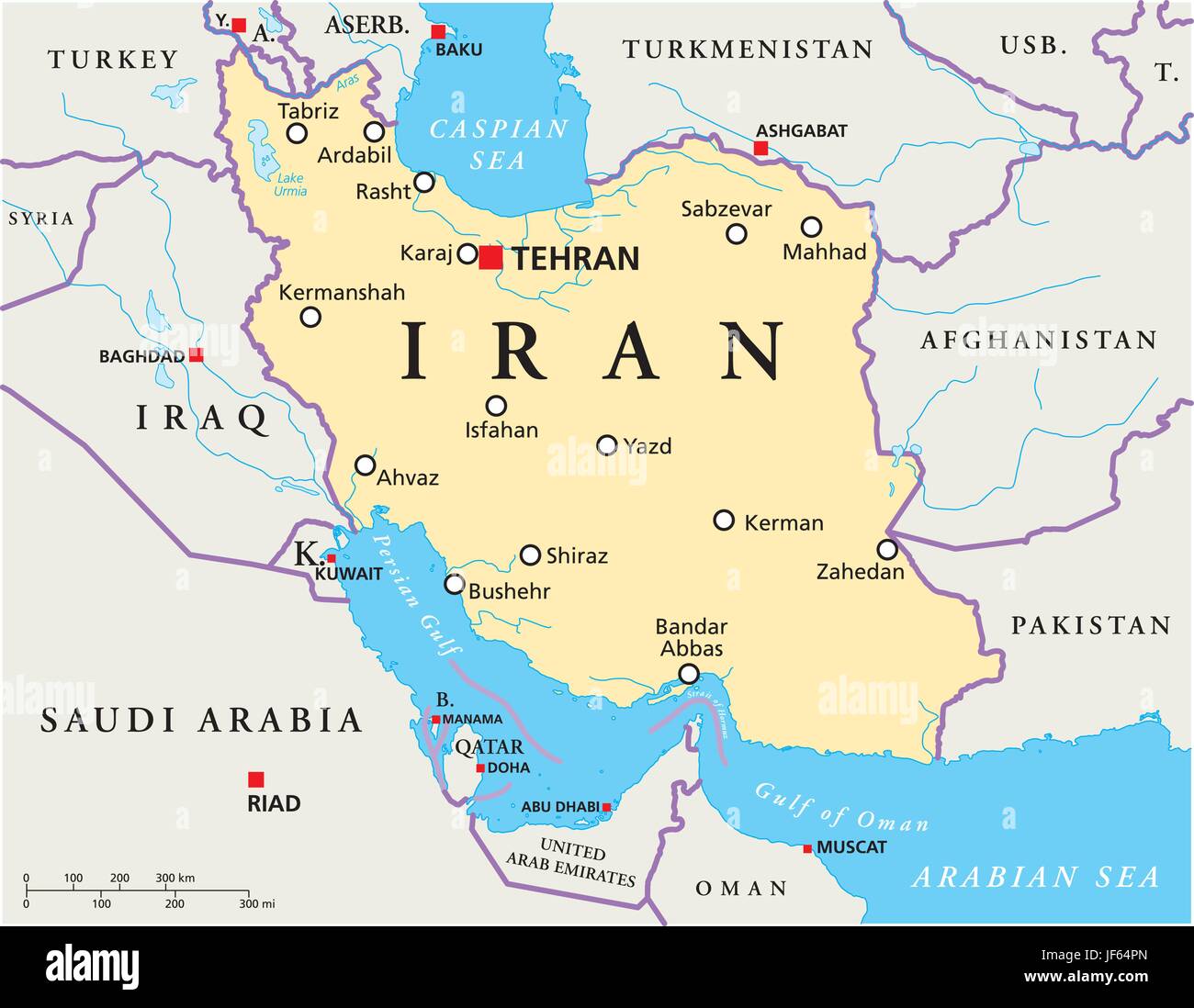
Reports indicate that the suspicions focus on foreign entities—with media channels pointing toward outside financing, potentially originating from Gulf actors like Qatar, aimed at tilting voter turnout in Arab sectors against Israeli state interests. Under Israeli election laws, foreign donations to political campaigns are strictly prohibited, and injecting foreign capital to manipulate domestic voter behavior crosses from political strategy into subversion.
Sohlberg gave the security agency a tight one-week window to present its findings, perfectly timed with the official deadline for certifying election results. However, security officials have privately stressed that the probe remains limited and unverified. Distinguishing between organic political mobilization and covert foreign interference is notoriously difficult under pressure.
What Happens Next
With the nation staring down the barrel of prolonged political paralysis, the fallout from this investigation will dictate more than just the next governing coalition. It strikes directly at public trust in democratic institutions.
If the Shin Bet uncovers concrete evidence of foreign funding, the legal challenges to the election results will explode, plunging the country deeper into constitutional crisis. If it turns up empty, the accusations will still leave a bitter mark on an electorate already fractured by years of intense political turbulence and post-October 7 realities.
The clock is ticking down the days to the final certification, and Israel’s political future remains completely up in the air.