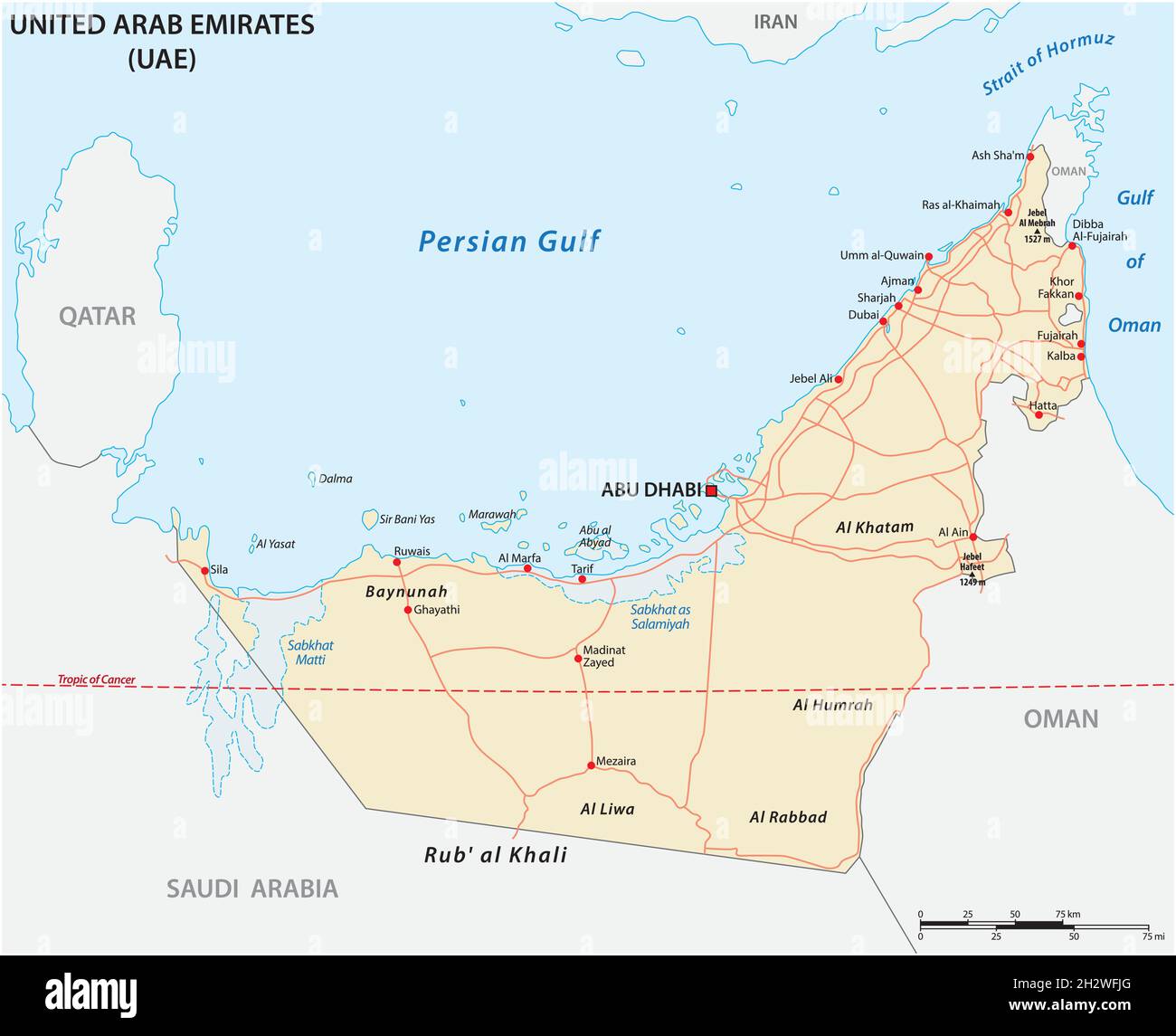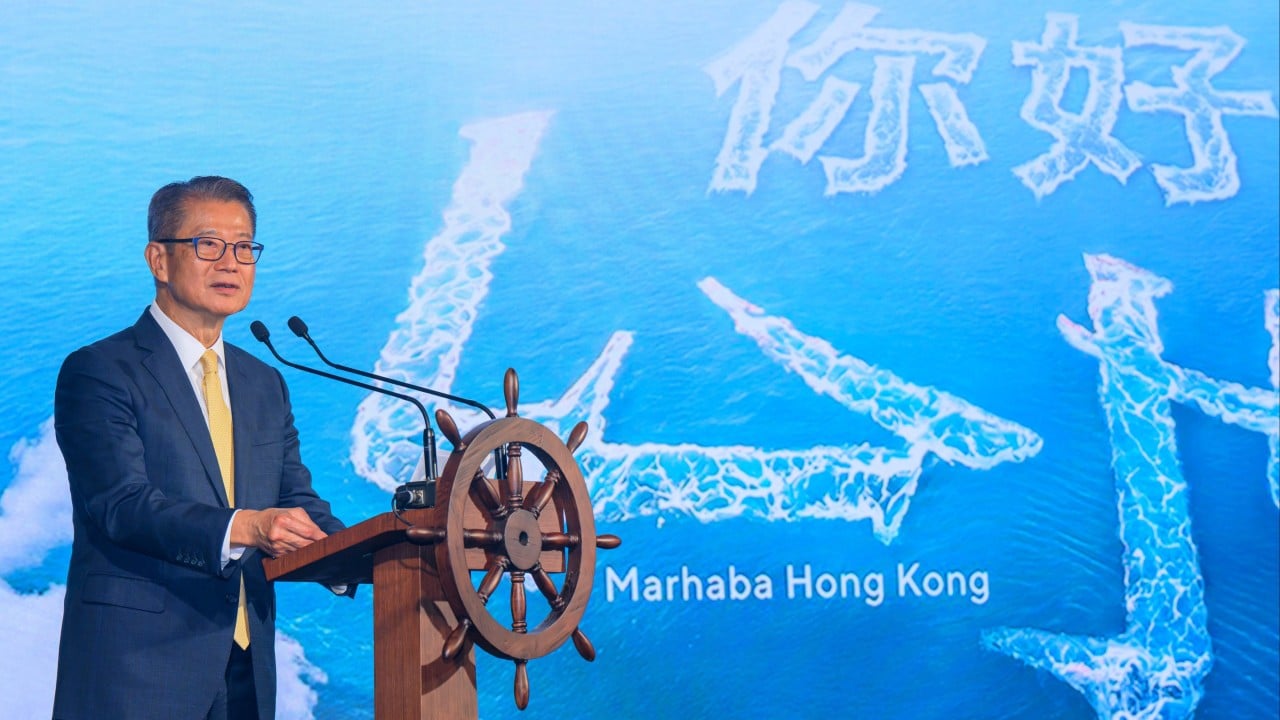
Western markets aren't the only game in town anymore, and Hong Kong's financial leadership knows it. Financial Secretary Paul Chan recently laid out a blunt truth about the city's economic direction: Hong Kong is actively building institutionalized, permanent bridges with the Global South and the Middle East.
If you think this is just diplomatic small talk, look closer at the numbers and policy shifts. The old playbook of relying strictly on traditional Western capital flows is getting a massive rewrite. Hong Kong is shifting its gaze toward emerging corridors, and the transformation carries real consequences for global trade, tech startups, and cross-border investment. You might also find this related coverage insightful: Why Going Self-employed Means Going It Alone On Health Care And Retirement.
Moving Past Standalone Deals
For years, economic engagement with developing regions looked transactional. A conference here, a memorandum of understanding there, and very little follow-through. That era is dying.
Chan emphasized that cooperation under frameworks like the Belt and Road Initiative is morphing into a networked, institutionalized system. We are talking about deep integration spanning green finance, technological R&D, and supply chain logistics. As extensively documented in detailed articles by The Economist, the implications are widespread.
Why does this matter? Because institutional frameworks reduce friction. When central authorities and municipal agencies build formal corridors between the Middle East, Central Asia, and Hong Kong, private capital moves faster. Transactions face fewer regulatory hurdles.
The Tech and Innovation Push
Most observers still view Hong Kong strictly as a banking and stock-trading hub. That view is outdated. The city is aggressively positioning itself as an international innovation and technology center, heavily backed by national directives like the 15th Five-Year Plan.
Look at the startup ecosystem. Back in 2015, Hong Kong hosted roughly 1,500 startups. Today, that figure has surged past 5,200, with local incubators like Cyberport and the Science Park nurturing around 20 unicorn enterprises.
By connecting these home-grown tech capabilities with the industrial supply chains of the Guangdong-Hong Kong-Macao Greater Bay Area, Hong Kong offers the Global South something unique. It provides a clean, secure, and internationally compliant gateway for emerging markets to access advanced manufacturing and software capabilities.
What This Means for Global Markets
Diversification is survival. Traditional financial centers face persistent regulatory headwinds and shifting geopolitical pressures. By anchoring itself deeply within the Global South, Hong Kong insulates its economy while unlocking immense pools of sovereign wealth from the Middle East.
If you run a business, ignore these shifts at your own peril. Supply chains are decentralizing. Capital is finding new vectors. The professionals and enterprises who win over the next decade will be the ones who understand how to operate smoothly across these non-Western economic corridors.
Audit your international strategy today. Build relationships where the real growth is happening.