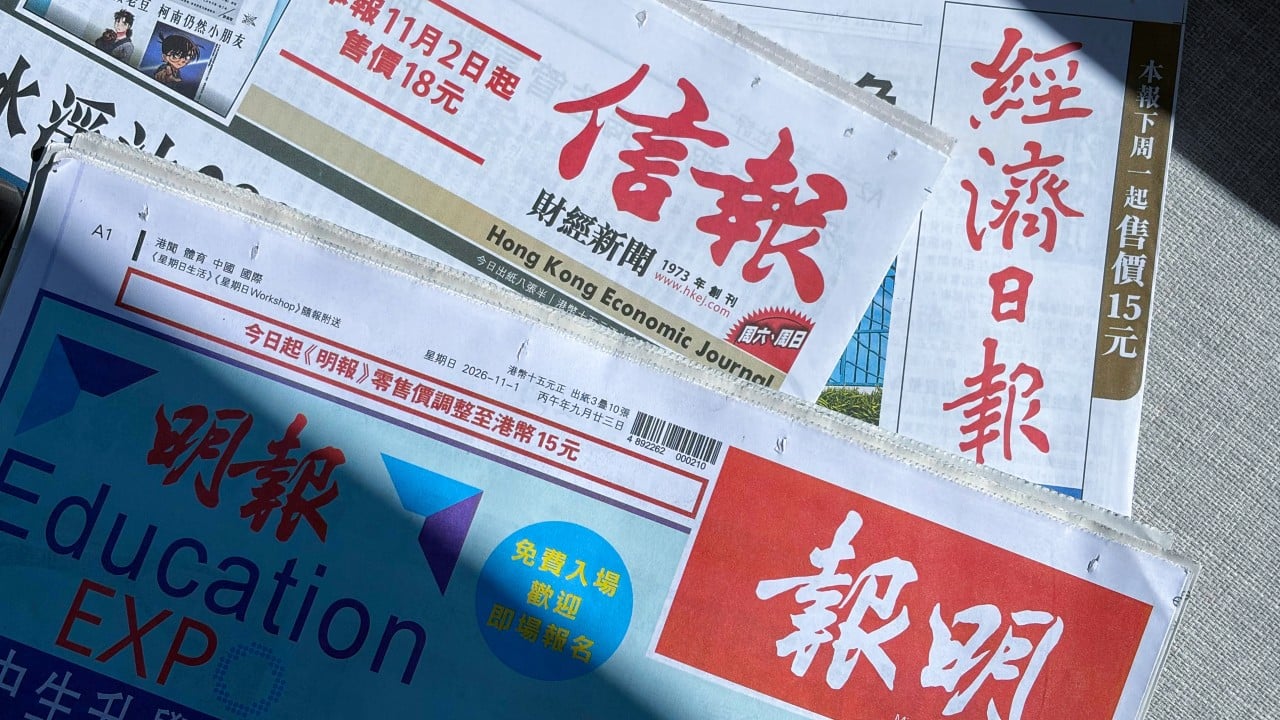
Buying physical news in Hong Kong just got a bit more expensive. Three major Chinese-language dailies—Ming Pao, the Hong Kong Economic Times, and the Hong Kong Economic Journal—have bumped up their retail cover prices by HK$3.
If you are wondering why print outlets are pushing up rates by 20 to 25 per cent in an era dominated by digital feeds, the answer comes down to pure survival math. Newsprint, ink, delivery logistics, and shrinking circulation numbers have created a harsh environment for traditional publishers. Ming Pao shifted its single-copy price from HK$12 to HK$15, marking a steep 25 per cent increase that hit newsstands.
The Economics Behind the HK$3 Newspaper Price Hike
When operating costs climb, print media houses face a brutal choice. They can either absorb the losses and risk folding, or they can pass the burden to the dwindling core of dedicated readers who still buy physical papers every morning.
Rising production overheads aren't new, but publishing houses can no longer buffer these spikes with advertising revenue alone. Digital advertising takes the lion's share of modern marketing budgets. Print ads generate a fraction of what they did a decade ago. Raising the cover price by three dollars is basically a desperate bid to keep printing presses running while subscriber bases shrink.
For local newsagents and street vendors, this change brings immediate headaches. Vendors have to update coin trays, reprint price cards, and deal with morning commuters venting their frustration over the extra coins needed for their daily read.
What This Means for Print Media Consumers
If you still prefer holding paper over scrolling a glowing screen, you are paying a heavy premium for the habit. A 25 per cent jump isn't pocket change when calculated across a monthly subscription.
Readers are voting with their feet, and most of them abandoned print long ago. Younger generations consume everything via social feeds, aggregators, and mobile apps. Price hikes on physical editions usually trigger another wave of cancellations, accelerating the slow death of newsstand culture in the city.
The Broader Impact on Local Journalism
Higher cover prices keep the lights on temporarily, but they don't fix the core rot in the traditional media business model. When fewer people buy papers because of higher costs, publishers look less attractive to advertisers. That triggers a downward spiral of budget cuts, fewer investigative reports, and leaner newsrooms.
Publishers face a ticking clock. Bumping prices by three dollars buys them breathing room, but it doesn't invent a sustainable future for print.
Check your monthly news budget and decide if you want to keep paying for physical delivery or make the permanent switch to digital formats before the next round of hikes hits.