You can't fight a lethal pathogen when the people holding the medicine are dodging stones. Exactly one hundred days into the latest grueling Ebola flare-up in the Democratic Republic of Congo, the frontline looks less like a medical operation and more like a combat zone. Let's talk about what's actually happening on the ground, because sanitized news reports miss the raw reality.
Six humanitarian workers from the Red Cross movement were injured in a single week last August across eastern and northeastern Congo. That spike isn't a random anomaly. It represents a terrifying escalation in a region where suspicion, armed conflict, and community mistrust collide with deadly efficiency.
The Anatomy of a Broken Response
When you look at the numbers released jointly by the Red Cross of the DRC, the Ugandan Red Cross, the International Federation of Red Cross and Red Crescent Societies (IFRC), and the International Committee of the Red Cross (ICRC), the picture turns grim instantly. Over the first one hundred days of this epidemic, 12 volunteers sustained injuries across 11 separate violent incidents. Ambulances have been smashed, one was torched completely, and critical medical intervention gear was smashed to pieces.
Consider what happened on August 19 in Beni, located in the North Kivu province. Three volunteers carrying out vital community outreach for the Ebola response faced a violent mob attack. They walked into the field to save lives and walked out with injuries.
Just a day prior, on August 18, another two volunteers took hits while trying to execute a safe and dignified burial in the village of Malikuti, situated in the Haut-Uélé province. Safe burials are non-negotiable during an Ebola outbreak—they prevent the virus from spreading through direct contact with bodily fluids of the deceased. Yet the very teams performing this high-risk task find themselves treated as the enemy.
The violence doesn't respect borders either. A cross-border convoy operated by the Ugandan Red Cross faced a brutal ambush in Aru, deep inside the Ituri province. One team member suffered severe injuries while attackers pelted two ambulances with rocks, destroying windows and disabling transport vehicles needed to move suspected cases to isolation units.
Why Communities Turn on the Responders
If you've never worked in public health crises during active armed conflicts, it's easy to judge from afar and ask why locals attack medical personnel. The reality on the ground is messier and far more tragic. Decades of institutional neglect, active violence from a revolving door of armed militias operating with total impunity, and deep-seated historical distrust create fertile ground for dangerous rumors.
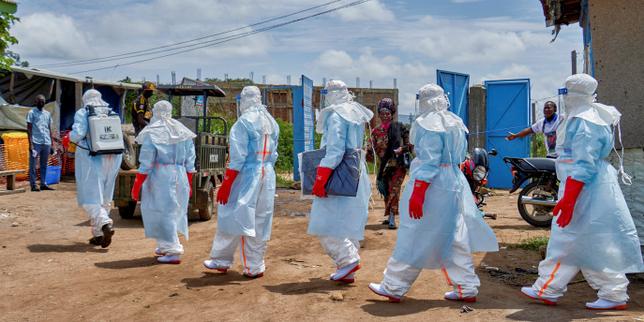
When outsiders arrive in protective suits carrying chlorine sprayers and body bags, fear often overrides logic. Rumors spread like wildfire that foreign actors or government proxies are actually bringing the disease into villages rather than stopping it. Combine that panic with the presence of multiple rebel factions carving out territory in North Kivu and Ituri, and you get an environment where humanitarian workers become convenient targets for displaced anger.
The World Health Organization noted multiple attacks on health centers since the outbreak began. Every time an ambulance gets stoned or a clinic gets vandalized, the invisible cost multiplies. Treatment gets delayed. Contact tracing grinds to a halt. Isolation protocols fail. Every single violent incident pushes the virus further into vulnerable neighborhoods.
The Cost of Silence and Stigmatization
Let's be clear about what's at stake here. This outbreak has already surpassed previous historical thresholds in sheer speed, with thousands of confirmed cases and thousands of deaths recorded since it was officially declared. The strain involved demands absolute precision, rapid isolation, and community cooperation.
When volunteers are forced to look over their shoulders instead of focusing on patient care, the epidemic wins. The psychological toll on local volunteers is immense. These aren't international consultants flying in for a two-week rotation; these are local sons, daughters, neighbors, and community members stepping up to protect their own families at extreme personal risk.
When they get attacked while burying a neighbor or disinfecting a home, it sends a chilling message to anyone else willing to volunteer.
Moving Past the Breaking Point
Protecting health workers isn't just an administrative talking point. It's the core operational requirement that determines whether an outbreak gets snuffed out or spirals completely out of control. Security for humanoids in eastern Congo requires deep community engagement, local elders acting as bridges of trust, and absolute transparency from health authorities.
Until local populations feel genuinely heard, respected, and protected from both the virus and the collateral damage of regional conflicts, the red cross painted on vehicles will remain a bullseye rather than a shield. The real battle isn't just against a microscopic strand of RNA. It's against the walls of fear and hostility built by years of abandonment.