We never think it's going to happen on a normal Thursday. Veteran Hong Kong stock commentator Louie Shum Chun-ying was on air delivering his usual market commentary just hours before passing away at Ruttonjee Hospital at the age of 65. The shock of his sudden death hit financial circles hard, but it also forced a very uncomfortable public conversation about heart disease in Hong Kong.
Cardiac emergencies don't send calendar appointments. They happen when you are stepping off a bus, sitting at your desk, or recording a financial broadcast. When public figures like Shum pass away unexpectedly from heart complications, it shatters the illusion that high-stress careers and everyday life are safe from silent cardiovascular killers.
Why Heart Disease Is Hong Kong's Sneakiest Killer
Heart disease remains one of the leading causes of mortality in the city, claiming thousands of lives every single year. The Department of Health figures consistently point to cardiovascular issues as a dominant public health crisis. Yet, most people treat heart health like an annual checkup box to tick rather than a daily survival metric.
Living in Hong Kong gives you a masterclass in chronic stress. Long work hours, dense urban crowding, volatile financial markets, and high-pressure expectations create a cocktail of sustained adrenaline. When you combine intense desk-bound stress with high sodium diets, late nights, and a lack of structured cardiovascular exercise, your arteries bear the brunt of the damage.
The scariest part? Coronary artery disease often builds plaque for decades without throwing up red flags. You feel fine until you don't.
The Symptoms Everyone Ignores Until It's Too Late
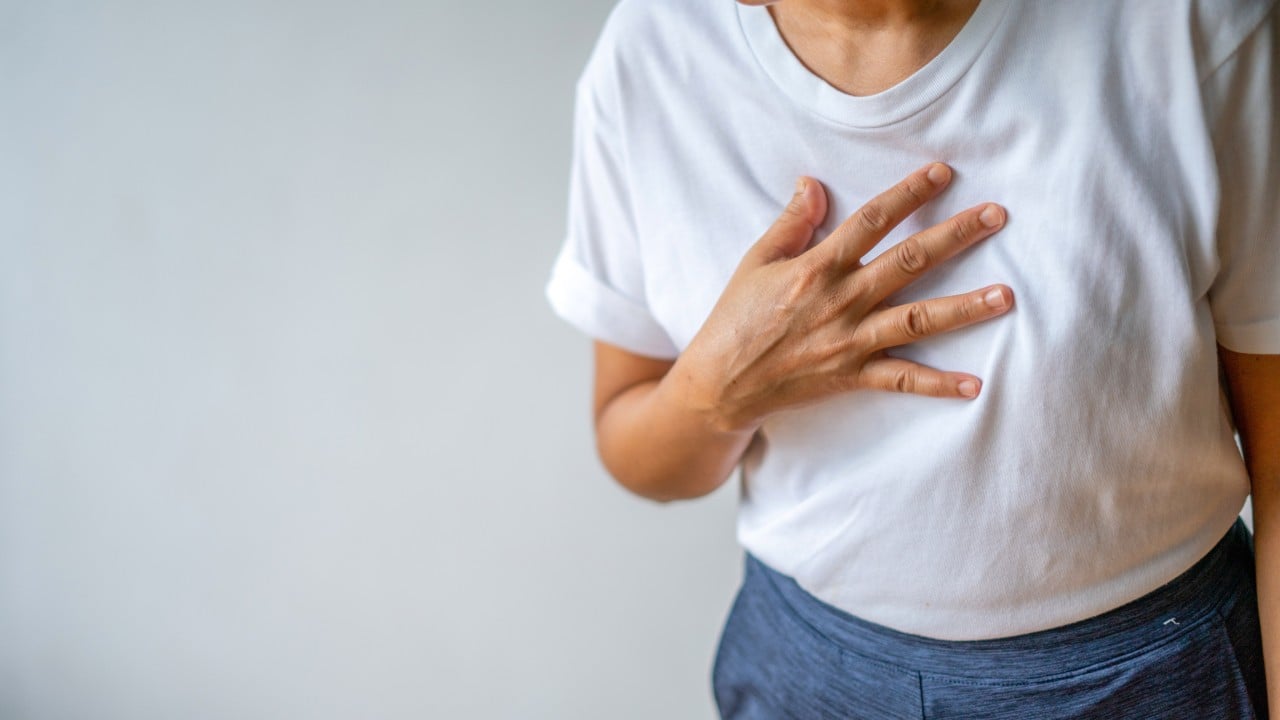
Hollywood taught us that a heart attack looks like a man clutching his chest and collapsing dramatically onto the floor. Real life is far more subtle, and that misconception kills people every day.
If you or someone nearby experiences any of the following, don't wait for it to pass:
- A heavy, squeezing pressure or tightness in the center of the chest that doesn't go away with rest.
- Radiating discomfort traveling down the left arm, up into the jaw, or across the upper back.
- Sudden, unexplained shortness of breath while doing mundane tasks like walking up a flight of stairs.
- Cold sweats, lightheadedness, or sudden nausea that feels like severe indigestion.
Women, older adults, and individuals with diabetes often present atypical symptoms. They might just feel exhausted or dizzy. If your body feels weirdly off and the sensation persists for more than a few minutes, treat it like an emergency.
What to Do in the First Five Minutes of a Cardiac Emergency
Time dictates survival. When a heart attack or cardiac arrest strikes, every single second counts. Brain death begins within minutes if oxygen stops flowing.
If you are standing next to someone who collapses or complains of severe crushing chest pain, your immediate action plan needs to be mechanical and cold-blooded:
First, call emergency services immediately. Dial 999 in Hong Kong and state your location clearly. Do not waste precious minutes trying to drive the patient to the hospital yourself in heavy traffic.
Second, assess responsiveness and breathing. If the person is unconscious and gasping or not breathing at all, they are likely in cardiac arrest.
Third, start hands-only CPR right away. Push hard and fast in the center of the chest to the beat of a fast song like Staying Alive. You don't need to do rescue breaths if you aren't trained; continuous chest compressions keep oxygenated blood moving to the brain and vital organs until paramedics arrive with an automated external defibrillator.
Fourth, locate the nearest AED. Hong Kong has placed AEDs in MTR stations, shopping malls, and public housing estates. Look for the green and white signage. Using an AED is foolproof because the machine literally talks you through every step and will only deliver a shock if it is clinically necessary.
Redesigning Your Daily Routine Before Your Body Forces You To
You cannot out-supplement a terrible lifestyle. If you want to avoid becoming a grim statistic in local health reports, you need to make structural adjustments right now.
Get your blood pressure and lipid profiles checked regularly, starting in your thirties. Hypertension is called the silent killer for a reason—it damages your blood vessels without making a sound.
Cut back on the processed convenience foods that dominate local quick-service dining. Keep an eye on your sodium intake and swap sugary milk teas for water or unsweetened tea.
Most importantly, build genuine downtime into your schedule. If your mind is constantly racing about work, investments, or deadlines, your autonomic nervous system stays locked in a fight-or-flight state. Take brisk walks outdoors, prioritize seven to eight hours of sleep, and listen when your body tells you to slow down.
Louie Shum's sudden departure is a sobering reminder that life is fragile and unpredictable. Take care of your heart before the decision is taken out of your hands.