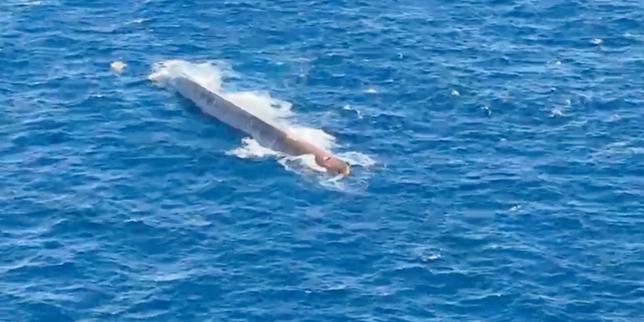
When a chemical tanker carrying thousands of tonnes of refined products starts taking on water near Ibiza, everyone immediately pictures a black coastline and oil-soaked wildlife. Memories run deep in Spain, especially with the haunting shadow of the Prestige disaster back in 2002 still fresh in the collective memory. But let's look at what's actually happening right now off the Mediterranean coast instead of giving in to pure panic.
Prime Minister Pedro Sánchez confirmed that the stricken vessel, the Med Emre, is scheduled to be towed to safety. After tracking off course between Valencia and Ibiza with roughly 7,000 tonnes of cargo on board, the ship suffered a serious hull breach. Yet, contrary to initial fears of an environmental catastrophe, the Spanish maritime rescue service and local authorities have maintained a tight grip on the situation.
What We Actually Know About the Med Emre Incident
The tanker was making its routine voyage from Algeciras to Barcelona when things went sideways. A sudden water ingress caused the ship to list heavily, raising red flags across Europe. Maritime tracking data from Kpler showed the vessel carrying roughly 66,000 barrels of refined products, sparking immediate concern from environmental watchdogs.
Despite the dramatic imagery of a crippled ship drifting in the Mediterranean, the reality on the water is more nuanced. Elena Delgado, the maritime captain of Valencia, pointed out crucial stabilizing factors early on. A minor sheen spotted around the hull quickly dissipated, and emergency crews managed to secure a towing line to the crippled tanker.
"The situation is stabilized," authorities noted, breathing a collective sigh of relief while professional salvage teams prepared for underwater hull inspections.
Why Everyone Is So Nervous About Ibiza
It's impossible to discuss accidents in Spanish waters without bringing up history. When the tanker Prestige went down off the northwest coast decades ago, it leaked massive amounts of heavy fuel oil, devastating local fishing economies and coating beaches in thick sludge. That disaster rewired how Spain approaches maritime emergencies.
Because of that trauma, any incident involving a tanker near major tourist hubs and fragile marine ecosystems triggers an instant, massive state response. The activation of the National Maritime Plan in its second phase wasn't an overreaction; it was a necessary playbook to prevent history from repeating itself.
The good news? Early reports from the ship's operators and government officials confirm zero detected leaks of hydrocarbons into the marine environment. The double-hulled design of modern tankers acts as an essential buffer, buying critical time for emergency responders to arrive before structural integrity fails completely.
The Real Challenge Moving Forward
Getting a damaged, listing ship out of open water isn't as simple as hooking up a rope and hauling it into the nearest port. Salvage experts have to weigh structural stress, weather conditions, and port safety protocols. Bringing a compromised chemical carrier too close to populated coastlines before securing the cargo creates its own localized risk.
Spain's immediate priority remains finding a secure port facility capable of handling the vessel without threatening local marine life or tourist hotspots. As underwater inspections continue, the focus shifts entirely to safe extraction rather than emergency damage control.
We dodged a bullet here, but it's a sharp reminder of how fragile our coastal shipping lanes really are. Stop waiting for the worst-case scenario to make headlines and pay attention to how quickly modern emergency protocols can contain a disaster when authorities act fast.