You can tell a lot about a state’s political pulse by looking at races everyone assumes are safe. For years, political pundits wrote off Iowa as solid red territory, a place where Republicans could cruise on national tailwinds without breaking a sweat. But the 2026 gubernatorial showdown between Democratic State Auditor Rob Sand and Republican newcomer Zach Lahn is forcing everyone to rethink that assumption. With longtime Governor Kim Reynolds stepping aside and choosing not to seek re-election, this open seat has turned into one of the most unpredictable and fiercely contested political battles in the Midwest.
If you are trying to understand why this race matters so much right now, you have to look past the standard talking points. This isn't just a routine contest between standard-bearers of the two major parties. It is a high-stakes stress test of how firmly the GOP actually grips state government in a place where shifting demographics and grassroots populist movements are colliding.
Breaking Down the Candidates and the Stakes
To grasp what is happening on the ground, you have to look at how both men got here. Rob Sand is no ordinary statewide Democrat. He is the only Democrat currently holding statewide elected office in Iowa, having survived close election margins by leaning hard into an anti-corruption, good-government message. Sand spent his campaign pointing to his record as State Auditor, claiming he uncovered massive amounts of waste and fraud while working with a bipartisan staff. His strategy relies heavily on building a broad coalition that pulls in independents, moderate Republicans, and disaffected voters who are tired of partisan extremes.
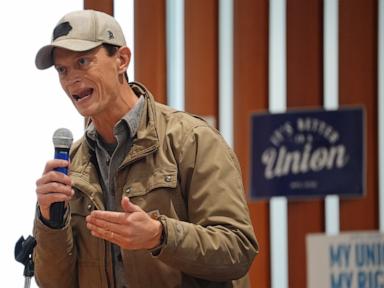
On the other side stands Zach Lahn, a farmer and businessman who pulled off one of the biggest primary upsets of the cycle. Lahn managed to defeat the establishment favorite, a candidate backed directly by Donald Trump, by tapping into the Make America Healthy Again (MAHA) movement. Lahn’s populist appeal centers on challenging corporate influence in public health, questioning food systems, and presenting himself as an outsider who answers to local families rather than political consultants.
The contrast between Sand's institutional appeal and Lahn's anti-establishment populism creates a fascinating dynamic. Voters aren't just choosing between red and blue labels; they are deciding whether they want a watchdog who promises administrative competence or a fresh face promising a total disruption of the status quo.
The Republican Grip and State Trifecta Risks
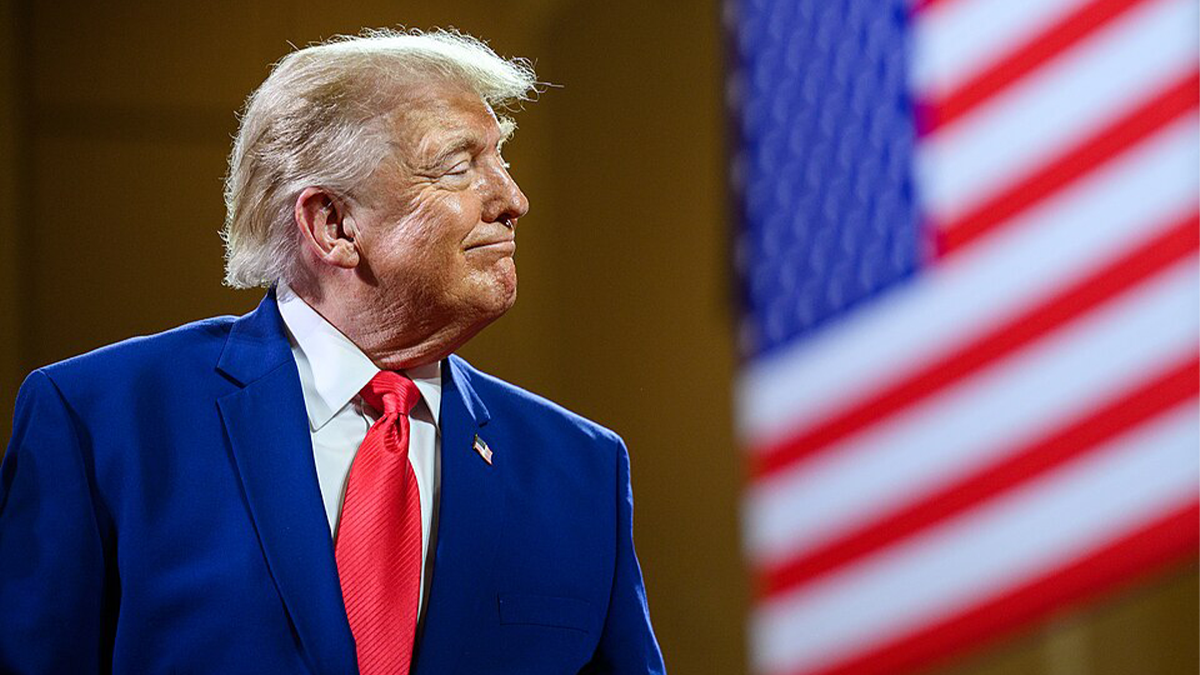
Republicans have enjoyed a comfortable trifecta in Iowa for years, controlling both chambers of the legislature and the governor's office while dominating recent federal elections. President Donald Trump carried the state by double digits just two years prior, making it a steep hill for any Democrat to climb. Yet, poll numbers heading into election day show a remarkably tight race, with some tracking putting Sand in a competitive lead while analysts rate the contest as a lean or toss-up battle.
Why is a state that leans conservative suddenly looking competitive at the top of the ticket? A lot of it comes down to candidate quality and local issues. While national messaging dominates many state elections, Iowans are hyper-focused on local pain points. Sand has hammered home statistics highlighting declines in public education rankings and rising concerns over water quality and cancer rates across the state. When voters feel like their daily quality of life is slipping, party loyalty gets tested.
Lahn has countered by attempting to tie Sand to national Democratic policies while anchoring his own campaign to the populist energy that powered his primary victory. But managing a fractured primary base after defeating a heavily endorsed incumbent candidate leaves scars, and uniting every faction of the GOP behind a first-time candidate is never seamless.
What This Means for the Future of Midwestern Politics
No matter who wins on Tuesday night, the ripple effects across state government will be massive. If Sand pulls off a victory, it marks the first time Iowans have elected a Democratic governor in two decades, shattering the narrative of absolute Republican invincibility in the Hawkeye State. It would also alter the balance of power across state agencies, checking the legislature's conservative agenda.
Conversely, if Lahn holds the line and secures the governorship, it proves that the populist, health-centric wing of the Republican party can successfully inherit and maintain power even without an incumbent on the ballot. It signals that Trump-era realignment is evolving into localized policy battles over agriculture, health, and state autonomy.
Pay close attention to how independent voters break and how turnout operations perform in the final hours. In a race this tight, momentum is nice, but raw execution at the ballot box is what decides winners and losers.