Nobody wants another trip to the ballot box. Voters are tired, the economy has other priorities, and the constant cycle of political gridlock drains public trust. Yet, Israeli leadership finds itself staring down the exact same cliff that has triggered repeated political deadlocks over recent years.
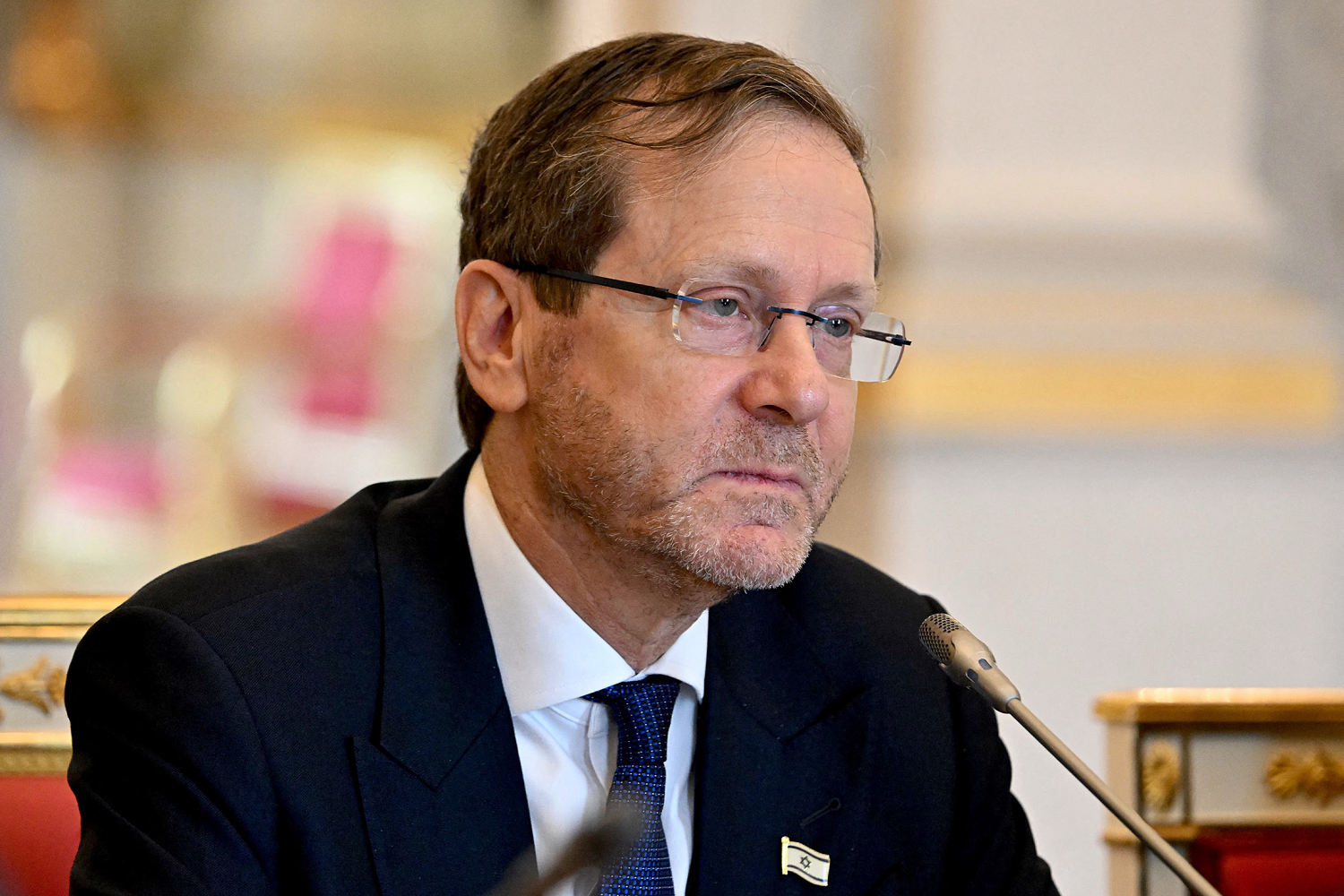
When Isaac Herzog stepped up to warn political parties that they need to engage with an open heart to avoid a fresh election, he wasn't just offering polite political advice. He was sounding a loud alarm. Herzog pointed out the glaring reality that forming a stable government requires actual compromise, not just rigid posturing behind party lines.
If you've followed Israeli politics for more than five minutes, you know how this script goes. Parties win seats, draw hard lines in the sand, refuse to budge on cabinet posts or ideological demands, and eventually, the coalition collapses. Then everyone blames everyone else while citizens head back to vote for the fourth or fifth time in a record-breaking span.
Herzog’s plea for open hearts isn't about soft diplomacy. It's about basic survival in a fractured parliament.
The Cost of Political Stalemate
Let's be real about what happens when governments stall out. Big policy decisions freeze. Budgets stall. Public services limp along while politicians spend their waking hours cutting backroom deals or plotting media attacks against their own coalition partners.
When Benjamin Netanyahu or other key faction leaders negotiate under strict ultimatums, the math of a 120-seat Knesset becomes an impossible puzzle. You can't squeeze a stable majority out of mutual distrust.
The underlying friction usually stems from deeply polarized views on judicial reform, military exemptions for ultra-Orthodox Israelis, and regional security strategy. These aren't minor disagreements over tax percentages. These are foundational arguments about the character of the state. When factions treat these issues as zero-sum games, nobody wins. The country just drifts.
What Real Compromise Looks Like
Politicians love to talk about unity right after an election finishes. They give soaring speeches about healing divisions and listening to the people. But the second negotiations start behind closed doors, those grand ideals evaporate. Portfolios matter more than policy. Veto power matters more than vision.
Avoiding a fresh election means someone has to blink. It means minor parties with outsized leverage need to realize that bringing down a government doesn't guarantee them a better hand next time. It often hands power straight to their political rivals.
Look at past coalition formations. The ones that actually survived more than a year were built on uncomfortable compromises. Parties had to swallow policies they hated to keep the lights on. That requires thick skin and a willingness to look weak to your most radical base. Most politicians are terrified of looking weak.
Where Things Go From Here
The pressure on Israeli lawmakers to form a functioning coalition isn't going away. International allies are watching closely, domestic economic pressures are mounting, and security challenges demand a steady, unified hand at the top.
If political leaders decide that their personal ambitions matter more than avoiding another disruptive election cycle, the public will pay the price. Voters hold the ultimate power, but they shouldn't have to exercise it every single year just because politicians refuse to talk to each other like adults.
Stop treating elections like a recurring subscription model. Sit down, drop the ultimatums, and govern.