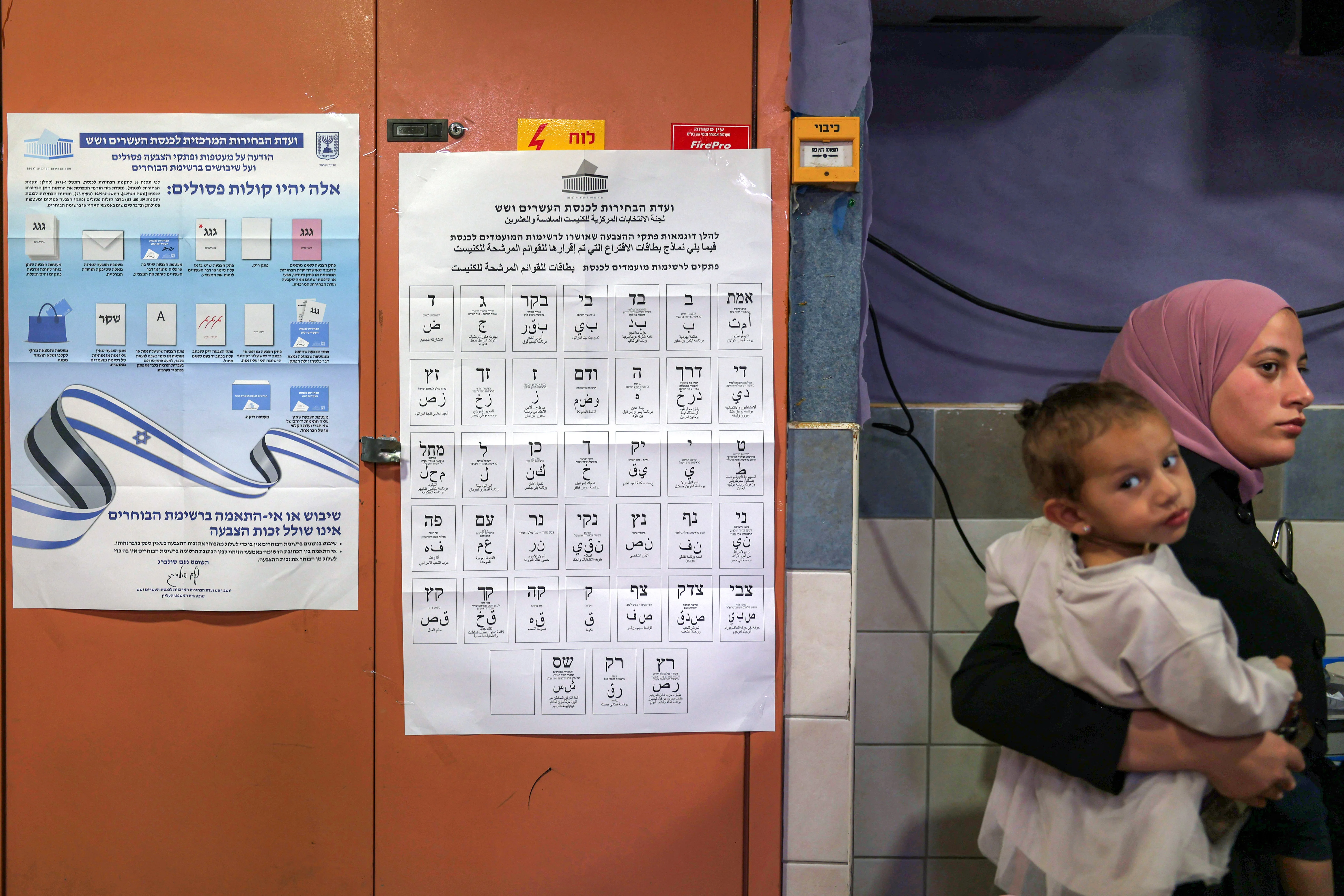
Israel's recent 2026 legislative elections left the 120-seat Knesset without an immediate, clean majority. With partial results pointing to severe political gridlock, mainstream opposition figures and Prime Minister Benjamin Netanyahu face identical mathematical barriers to reaching the 61 seats required to form a government. Yet the most glaring blind spot isn't the tight math. It's the stubborn refusal of major political blocs to treat Arab-led parties as legitimate coalition partners.
Alon Pinkas, a former Israeli diplomat, didn't mince words when addressing this strategy, calling the mainstream opposition's reluctance to engage with Arab factions completely reckless. While Netanyahu dismissed any reliance on Arab lawmakers as a disgrace, parts of the center-left opposition have similarly kept their distance, fearing voter backlash. This persistent exclusion locks Israeli politics into a repeating loop of instability. Don't miss our previous post on this related article.
The Double Standard of Coalition Politics
For decades, Israeli election cycles have forced parties into awkward marriages of convenience. Securing power demands extensive horse-trading across ideological fault lines. But a rigid double standard governs how different minorities are treated within these negotiations.
Mainstream politicians routinely partner with ultra-Orthodox Jewish factions, despite many of those parties explicitly defining themselves as non-Zionist. Critics point out the obvious contradiction: if non-Zionist religious parties can comfortably sit inside governing coalitions and secure massive state funding, excluding Arab-led parties on nationalist grounds holds little logical weight. To read more about the background here, Reuters offers an excellent summary.
Alon Pinkas highlighted this exact hypocrisy during media appearances following the vote. The argument that partnering with Arab parties undermines Israel's identity as a Jewish state collapses under scrutiny once you examine how coalition arithmetic treats religious factions.
Ignoring Twenty Percent of the Electorate
Arab citizens make up roughly twenty percent of Israel's overall population. Despite this significant demographic weight, their elected representatives are treated as permanent outsiders, good enough to cast ballots in high-turnout elections but radioactive when it comes to actual governance.
This dynamic leaves millions of citizens feeling disenfranchised. Communities face compounding crises, most notably a sharp surge in violent crime and organized murder rates that have terrorized Arab towns over recent years.
Successive governments have dragged their feet on addressing these safety issues. Activists and community leaders argue that state indifference amounts to willful neglect. When mainstream parties refuse to negotiate with Arab lawmakers, they effectively tell one-fifth of the country that their security and basic civil needs do not matter.
Breaking the Cycle of Gridlock
Israel's proportional representation system makes outright majorities nearly impossible for any single party. Governments rise and fall based on small coalition partners. Refusing to work with Arab factions voluntarily throws away leverage and boxes the opposition into a corner.
If center-left blocs want to build a stable alternative to Netanyahu's long-standing dominance, ignoring a natural bloc of voters is political suicide. Parties like Ra'am have previously demonstrated that tactical flexibility can yield tangible results for their constituents. Continuing to shun potential partners out of fear or political cowardice guarantees more repeat elections and prolonged national paralysis.
The math of the Knesset demands coalition building. Until Israeli politicians drop the artificial taboos surrounding Arab parties, the political system will remain trapped by its own self-imposed walls.