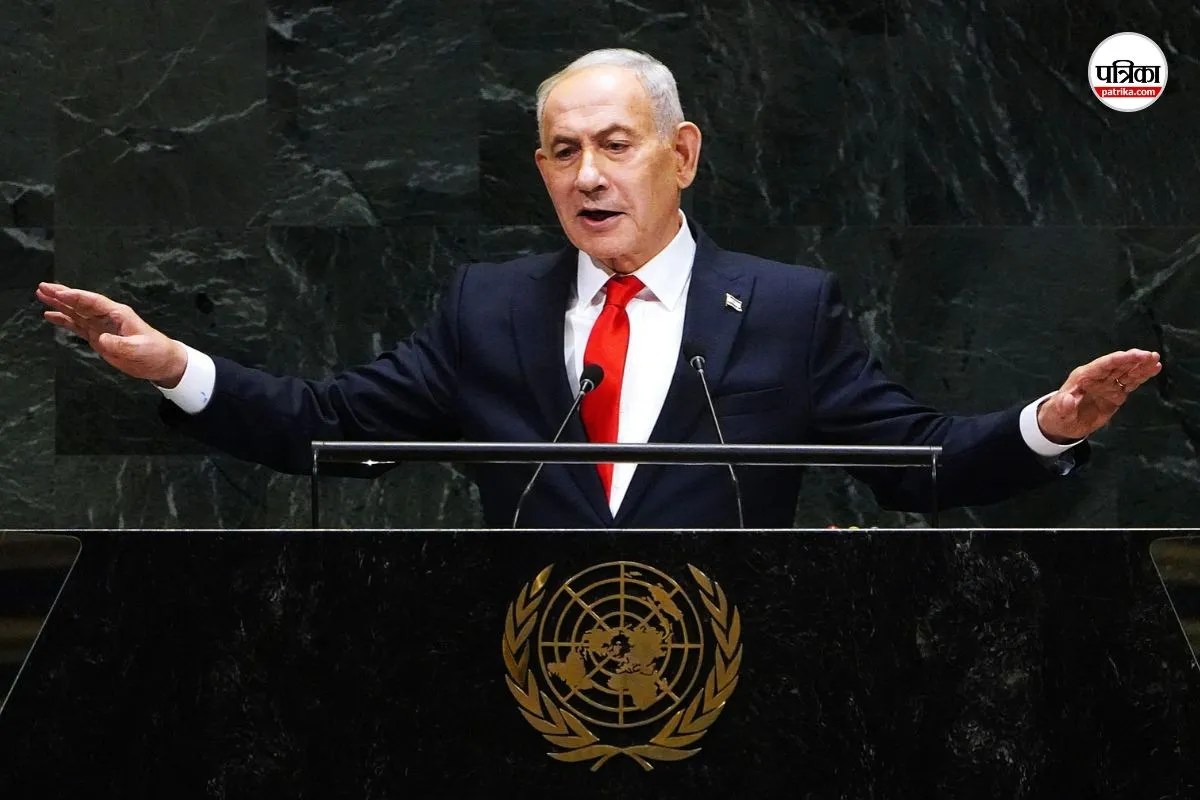
Israel's political machinery has ground to a familiar yet more volatile halt. Benjamin Netanyahu finds himself short of the magic 61-seat majority required to form a government, plunging the Knesset into a severe deadlock. With partial results pointing to a fractured parliament—where Netanyahu's bloc hovers around 53 to 54 seats and the opposition led by Gadi Eisenkot sits close behind—attention has shifted entirely to an unexpected group of powerbrokers.
Arab-led factions, including Ra'am and the Joint List, have surged to secure roughly 18 to 19 seats. They aren't just participants anymore; they are the ultimate kingmakers. If you've been tracking Israeli politics, you know that mathematical gridlock like this forces politicians to break every campaign promise they made just weeks ago. In related news, take a look at: Why The Detention Of Imran Khan Sisters Is Escalating Political Tensions In Pakistan.
Let's look at how this political chess match breaks down and the realistic paths ahead for the Knesset.
The Reality of the Numbers Game
To understand why everyone is stuck, look at the arithmetic. A functional coalition in the 120-seat Knesset demands at least 61 seats. Netanyahu's right-wing religious bloc fell short, leaving the prime minister dependent on alliances that are either mathematically impossible or politically radioactive. NBC News has also covered this critical issue in extensive detail.
On the other side, the center-left opposition bloc headed by figures like Gadi Eisenkot and Yair Golan commands roughly 48 to 49 seats. They want Netanyahu out, but they lack a clean, all-Zionist pathway to a majority. That leaves both major camps staring at a terrifying structural wall.
The Four Paths Facing the Knesset
Navigating this unprecedented parliamentary crisis leaves political architects with very few exit strategies. Each option carries massive political baggage.
1. Relying on Arab Kingmakers
The most mathematically direct route for the opposition involves bringing Arab-led parties directly into a coalition or securing their outside backing. Leaders like Yair Golan have openly argued that cooperation with Arab citizens offers a genuine mechanism for change.
However, this path triggers immense friction. Years of polarizing rhetoric, deep-seated distrust following the October 7 attacks, and ideological resistance from right-leaning members within the opposition make a formal partnership exceptionally difficult to swallow. Figures like Eisenkot have historically resisted relying on Arab factions, meaning crossing this Rubicon would shatter core campaign vows.
2. Formulating an Unlikely National Unity Government
When polarization peaks, whispers of a national unity government inevitably follow. Political commentators point to precedents like the short-lived 2020 power-sharing arrangement between Netanyahu and Benny Gantz.
Under this scenario, President Isaac Herzog would pressure major rivals to bridge the gap, potentially installing a rotating premiership. But honestly? The animosity right now runs far too deep. The opposition built its entire campaign on a referendum against Netanyahu's leadership, making a unity cabinet an administrative nightmare that could collapse within months.
3. Engineering Defections and Minority Governing
Another alternative involves scraping together a minority government backed informally by opportunistic defectors from opposing factions. This requires convincing disgruntled politicians to cross party lines.
It's high-risk, messy, and prone to legislative paralysis. A minority government would struggle to pass a budget or survive a basic vote of no confidence, leaving the country vulnerable while major security and foreign policy decisions loom large.
4. Dragging the Country Into Fresh Elections
If all coalitions fail and nobody blinks, the ultimate fallback is heading right back to the ballot boxes. Israel has already suffered through cycles of endless repeat elections in the past when governments failed to materialize.
Voter fatigue is palpable, even with turnout hitting record highs above 77%. Forcing another election solves nothing structurally; it simply wastes months of administrative bandwidth while the nation grapples with severe regional tensions and security challenges involving Iran and Gaza.
What Happens Next
President Isaac Herzog holds the constitutional cards. He will consult party heads before handing the mandate to build a government to whichever leader stands the best mathematical chance.
Yet numbers only tell half the story. The real test is ideological flexibility. Netanyahu remains caretaker prime minister while the deadlock persists, buying him precious time. Whether his rivals can swallow their pride, or whether Arab parties leverage their historic seat count to shift national policy permanently, will define the next chapter of Israeli governance. Watch the backroom negotiations closely, because public posturing right now is just noise.