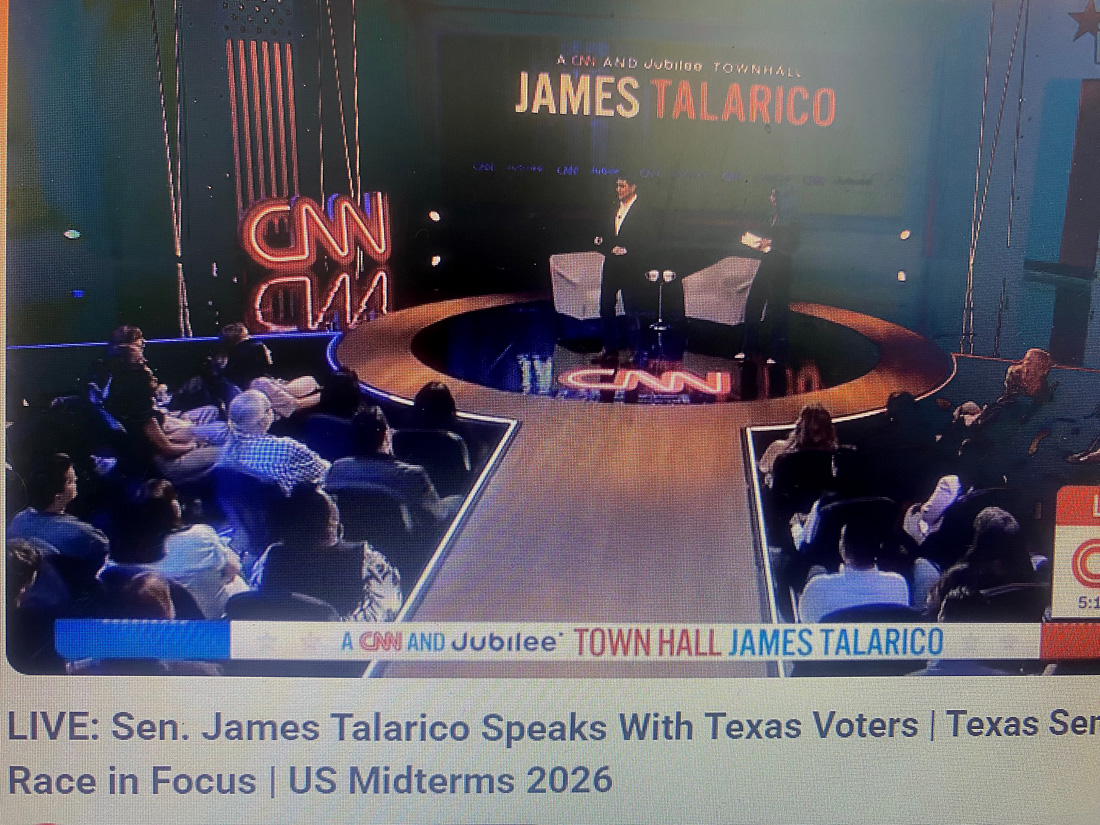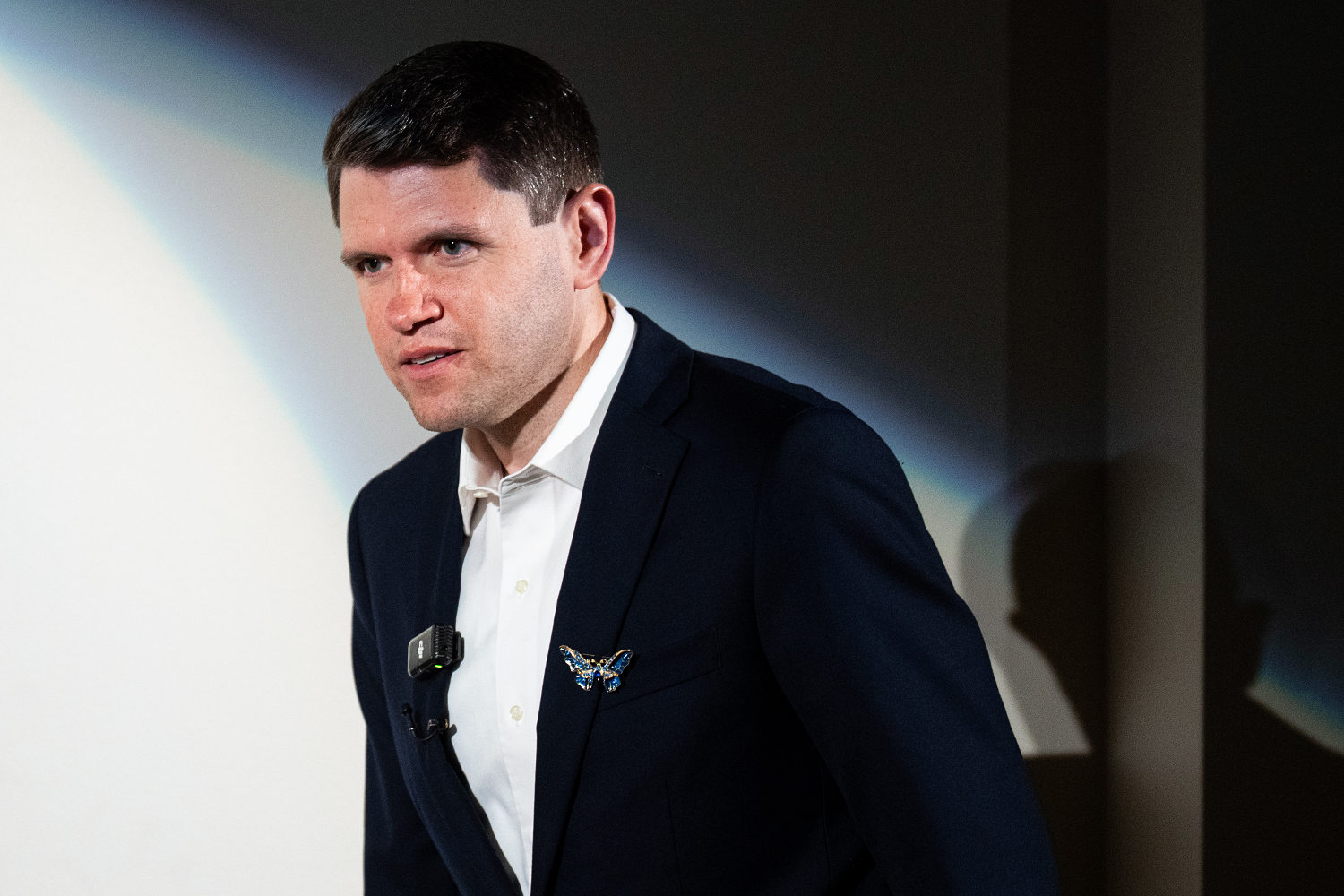
Campaign schedules are exhausting. When you spend months shaking thousands of hands, visiting dozens of counties, and running a high-profile race against political heavyweights, your immune system eventually pushes back. Democratic state Representative James Talarico found that out the hard way, stepping off the trail for nearly two weeks following a flu diagnosis from a Dallas urgent care clinic.
For political junkies, a candidate disappearing for twelve days right before early voting sounds like a disaster. Opponents smell blood, social media speculators start spinning conspiracies, and campaign managers sweat bullets. But look closer at the numbers, the calendar, and the reality of modern campaigning. This brief health hiatus isn't shaking up the Lone Star State's most competitive Senate race as much as partisans want you to believe.
The Timing Problem And The Political Noise
Every campaign strategist knows October is crunch time. Early voting in Texas starts on October 19, leaving a razor-thin window to lock down undecided voters. When Talarico canceled high-profile appearances like the Central Texas African American Civic Engagement Symposium and leaned on virtual check-ins—such as a Zoom session with the U.S. Hispanic Business Council—critics pounced.
Republican nominee Ken Paxton’s campaign immediately weaponized the absence, questioning his whereabouts and arguing that a candidate asking for votes needs to be physically present. That is standard political theater. When your opponent is sidelined by an illness caught from an aggressive grassroots push—after holding over one hundred public events and hauling millions in recent fundraising quarters—you try to frame it as weakness.
Yet voters rarely punish a candidate for catching a bug after months of relentless public contact. If anything, admitting you were shaking too many hands provides a relatable human narrative in an otherwise hyper-polished race.
What The Polls and Ground Game Reveal
The real story of this race isn't a twelve-day flu recovery. It is the dead-heat status of a contest that conventional political wisdom says shouldn't even be close. Recent polling shows Talarico and Paxton neck-and-neck, sitting within the margin of error, with Libertarian Ted Brown pulling a small percentage and undecided voters dwindling.
Texas has not elected a statewide Democrat since 1994. That historical anchor has kept Republicans comfortable for decades. But the demographic shifts in the state's major metros, growing suburban discontent, and massive voter registration drives have turned a safe red seat into a national battleground.
Talarico built his momentum on economic populism and broad-based voter outreach, capturing leads among younger voters, women, and Latinos. Paxton holds his base among rural voters, men, and older demographics. A week and a half off the trail does not erase structural voter alignment, nor does it reset millions of dollars in television ad buys and digital organizing that run on autopilot while a candidate rests up.
Navigating Real Risks In Tight Races
When a candidate gets sick in the homestretch, the danger isn't public perception—it's lost momentum. Modern campaigns rely on constant media hits, rapid-response messaging, and live retail politics to keep the news cycle friendly.
Talarico managed to mitigate some of that damage by maintaining a remote presence through video calls and issuing direct updates to his base. His campaign confirmed he is expected back on the trail as early as this weekend, just in time for the final sprint toward early voting.
If you are watching this race from the outside, ignore the manufactured outrage over a sick week. Pay attention to turnout metrics, early voting totals in Harris and Travis counties, and whether rural turnout surges for Paxton. The flu comes and goes, but the underlying math of the Texas electorate is what will decide who wins.