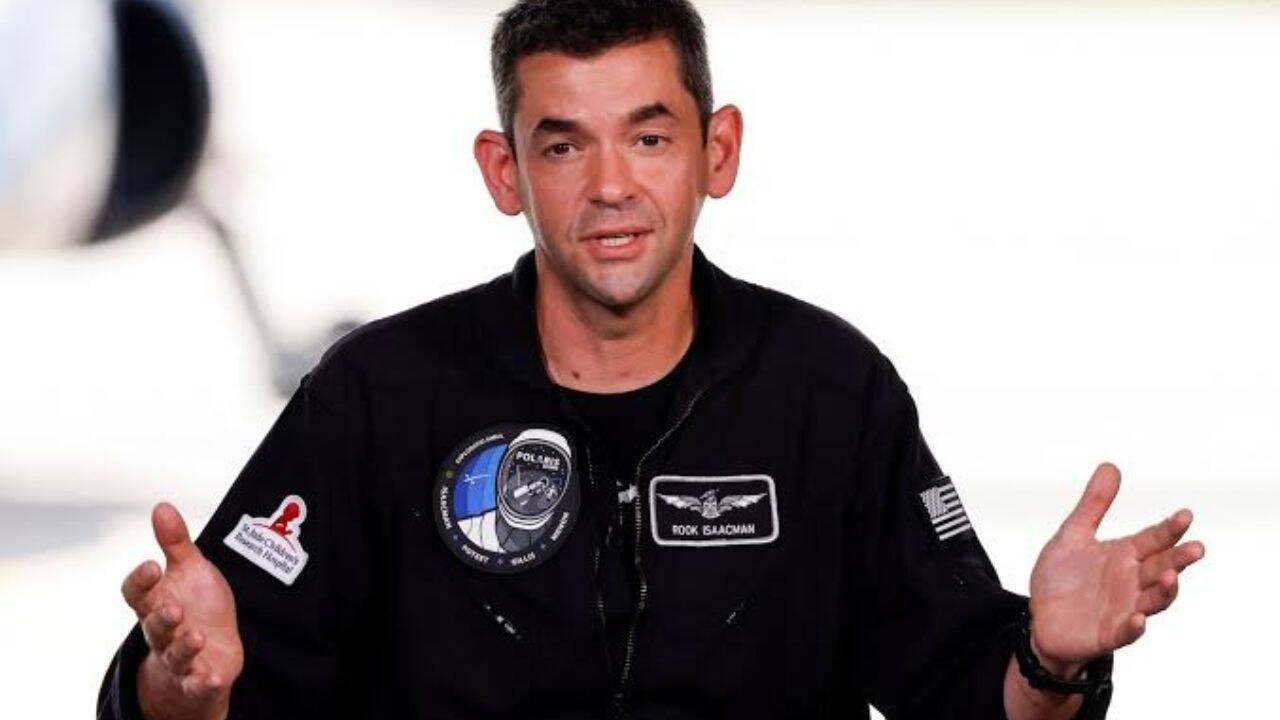
Vladimir Putin stood before cameras in a military uniform, thanking his troops for capturing a key prize. The Kremlin quickly blasted out the news that Kostyantynivka, a vital Ukrainian stronghold in the eastern Donetsk region, had fallen completely into Russian hands. It was a classic Moscow information play, timed perfectly for maximum international impact. There is just one massive problem with the announcement. It isn't true.
Hours after the Kremlin claimed victory, Ukrainian President Volodymyr Zelensky fired back, calling the announcement nothing more than a blatant lie. Fierce fighting continues inside the city limits. Ukrainian forces haven't retreated, and the battle for Kostyantynivka remains a brutal, grinding reality on the ground. This isn't just a dispute over a map line. It is a high-stakes clash of narratives shaping the trajectory of a war now stretching well past its fourth year.
Understanding what is actually happening requires looking past the official communiqués. Moscow wants the West to believe that Ukraine's eastern front is collapsing. Kyiv is proving that it can still bleed the advancing Russian army dry while launching deep, asymmetric strikes hundreds of miles behind the front lines.
The Disinformation War Over a Ruined Fortress
Moscow loves a symbolic victory. By claiming total control over Kostyantynivka, the Russian military leadership hoped to present a done deal to global observers. The timing wasn't accidental. With a major NATO summit kicking off in Türkiye, Putin wanted to walk into the diplomatic arena holding a significant battlefield trophy. It is a psychological tactic designed to sap Western resolve and make continued military aid look pointless.
Zelensky wasted no time tearing down that narrative. He openly mocked the Russian leader on social media, pointing out that if the city were truly under Russian control, Putin wouldn't have any issue meeting him right there on the streets to talk peace. The reality on the ground matches Zelensky's defiance far more than it matches Putin's triumphant press conferences.
Independent military intelligence reports show that the Russian presence in the city is actually highly fragmented. Small units of Russian soldiers have slipped into various neighborhoods, but they aren't holding consolidated territory. Instead, they are caught in an intense, close-quarters urban brawl. They face a larger, deeply entrenched Ukrainian garrison that refuses to yield the ruins.
Why Kostyantynivka Is the Linchpin of the Donbas
To understand why both sides are fighting so savagely for this specific piece of land, you have to look at its geography. Before the full-scale invasion turned it into a wasteland of shattered brick and smoldering craters, Kostyantynivka was a bustling industrial hub. It was home to roughly 78,000 people and famous for its glassmaking factories. More importantly, it sits at a critical junction of two major highways and a vital railway network.
This city forms a core pillar of Ukraine's eastern defenses. Military strategists call this region the fortress belt. It is a heavily fortified line of towns and cities designed to block any further Russian advance westward. If this pillar cracks, the defensive alignment of the entire Donetsk region shifts dangerously.
The Strategy of Infiltration
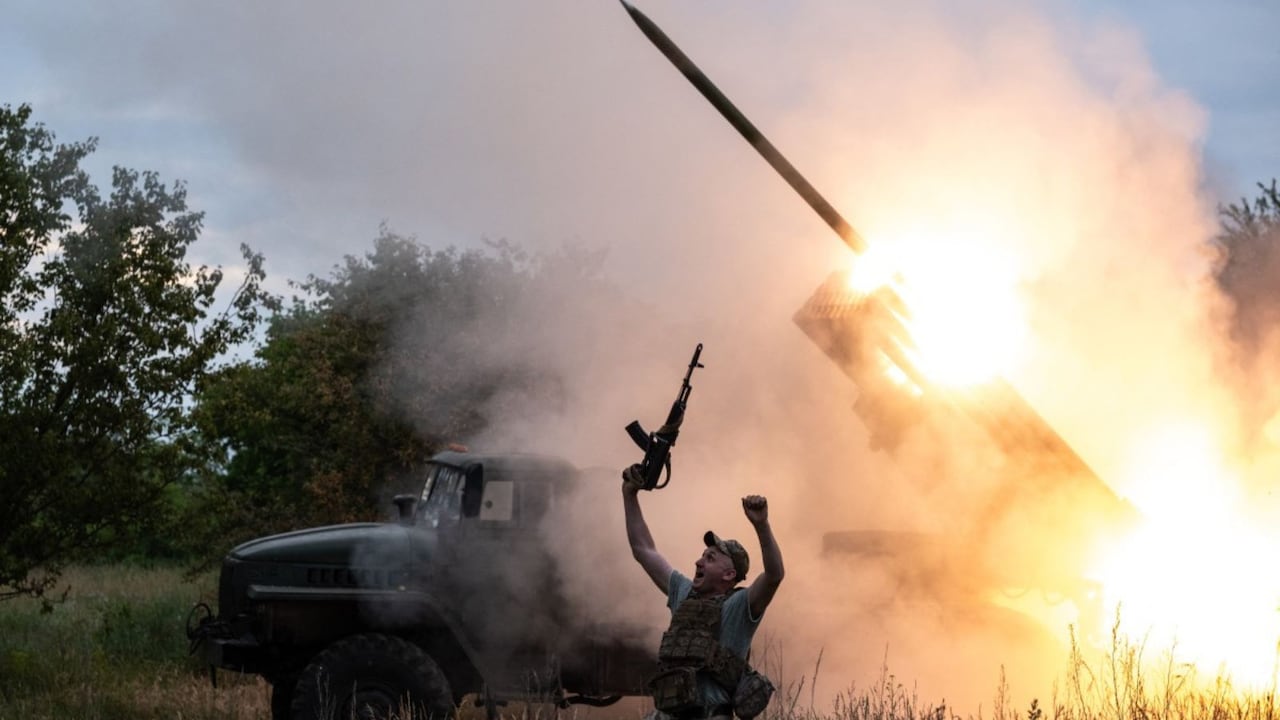
The Russian army isn't relying on massive, sweeping tank charges to take this territory. They tried that early in the war, and it failed spectacularly. Now, they use a slow, agonizing tactic of constant infiltration. They send tiny groups of infantry, often just a handful of soldiers at a time, to slip through gaps in the frontline.
These small teams try to secure a single basement or a ruined building, digging in until the next wave arrives. It is the exact same bloody blueprint Moscow used to take Pokrovsk. It takes months, costs thousands of lives, and leaves absolutely nothing left standing. Right now, experts estimate that between 100 and 250 Russian soldiers are scattered across isolated pockets in the northern and southern outskirts of the town, surrounded by Ukrainian forces.
The Road to Kramatorsk and Sloviansk
Moscow wants this city because it opens the door to its ultimate targets in the region. Beyond the ruins of Kostyantynivka lie the major industrial cities of Kramatorsk and Sloviansk. Those two cities are the crown jewels of Ukrainian control in the Donbas.
If Russian forces manage to fully secure the highway junctions, they gain a direct staging ground to launch an assault on those final strongholds. That is why Ukrainian commanders are digging in so hard. They know that every week they hold out in the ruins is another week the Russians have to spend wasting precious manpower and equipment for mere yards of dirt.
St Petersburg Feels the Burn
While the infantry trades blows in the Donbas, Kyiv is proving it won't just sit back and take a beating. Almost immediately after the Kremlin announced its supposed victory, Ukraine launched a massive, coordinated drone offensive. They didn't target the front lines. They aimed straight for Putin's hometown of St. Petersburg, hundreds of miles away from the mud of Donetsk.
The scale of the attack was unprecedented. Russian defense official tracking reports admitted that nearly 500 Ukrainian drones and 10 advanced Flamingo missiles targeted the region overnight. The strikes hit close to home, slamming into a major oil terminal in St. Petersburg and a busy commercial port near the Finnish border. Drones even rained down on the historical Peterhof palace complex and the Kronstadt naval base.
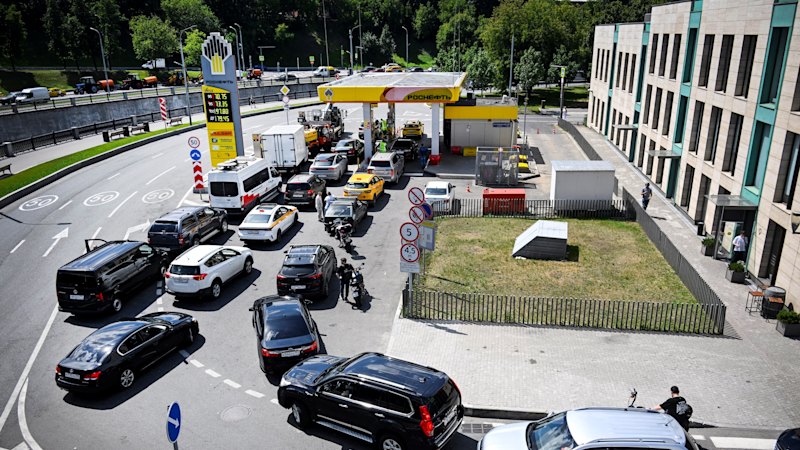
This home-front bombardment serves a vital dual purpose. First, it breaks through the bubble of normalcy that the Kremlin tries to maintain for everyday Russian citizens in major cities. When air defense systems are firing over St. Petersburg and fuel depots are burning, the war stops being a distant news item on state television. Second, it causes genuine economic pain, triggering immediate local fuel shortages and forcing the Russian military to pull valuable air defense assets away from the front lines to protect domestic infrastructure.
The Reality of a Four Year Slugfest
We are looking at a conflict that has devolved into a massive, industrialized war of attrition. Neither side has the capacity for an immediate, sweeping breakthrough that ends the war in a single campaign. Instead, the battlefield moves at a snail's pace, defined by the terrifying math of artillery shells, drone supplies, and human endurance.
The Russian Ministry of Defense recently tried to offer a brief humanitarian pause, proposing a six-hour window to hand over the bodies of fallen Ukrainian soldiers. On the surface, it looks like a rare moment of battlefield diplomacy. In truth, it is a logistical necessity for an army struggling to manage its own staggering casualty rates in the middle of a brutal summer campaign.
The fight is far from over. Russia will continue to pour bodies into the city, desperate to turn its false announcement into a physical reality. Ukraine will keep utilizing its defensive advantages, forcing Moscow to pay an exorbitant price for every block.
If you want to understand where this conflict goes next, stop looking at the sweeping declarations made by politicians in clean uniforms. The real story is being written by the soldiers holding the line in the dust of Kostyantynivka. Watch the logistical choke points, keep an eye on the deep-strike drone campaigns, and ignore the premature victory flags.
Get your news from independent military analysts who track satellite imagery and radio intercepts daily. Avoid state-run press releases from either side that claim instant victory or total enemy collapse. The map doesn't change overnight, and the real war is always more complicated than a headline.