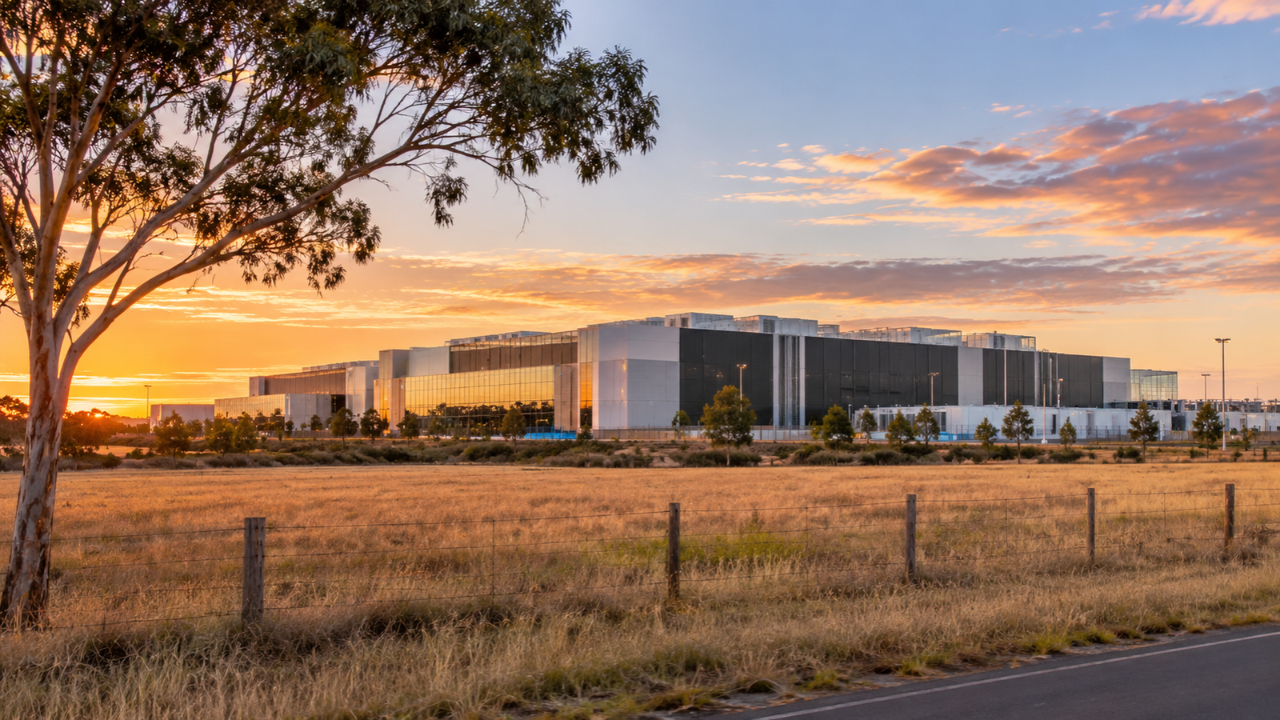
Your power bill probably won't drop next month just because the Senate passed a sweeping energy deal. On November 19, 2026, lawmakers voted 62-33 to advance the Bipartisan American Affordability and Jobs Act of 2026 (BAAJA, also tracked as S. 5653), sending a massive permitting and grid-cost overhaul to the House of Representatives. Under this legislation, large AI data centers pay more for grid upgrades instead of socializing those multi-billion-dollar buildout expenses onto everyday households and small businesses.
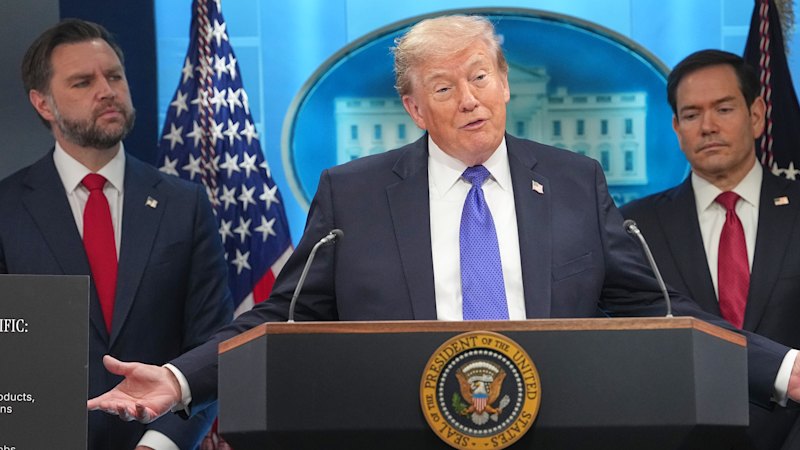
President Donald Trump backed the package on social media as a push for American energy dominance and lower family energy costs, while a bipartisan negotiating quartet—Sens. Martin Heinrich (D-NM), Sheldon Whitehouse (D-RI), Shelley Moore Capito (R-WV), and Mike Lee (R-UT)—hammered out the compromise after years of stalled permitting talks.
Here's the catch nobody wants to admit right away. Shifting costs onto hyperscalers and speeding up federal approvals sounds straightforward on paper, yet the real-world math involves years of construction timelines, a fractured House vote ahead, and fierce fights over environmental reviews and tribal rights.
How the Senate Bill Changes AI Data Center Grid Costs
For years, electric utilities across the U.S. have routinely spread the cost of transmission lines, substations, and grid reinforcements across all ratepayers. When a massive AI campus rolls into a region demanding hundreds of megawatts, local residents often end up subsidizing the infrastructure needed to serve it.
BAAJA targets that dynamic head-on. Under the bill, the Federal Energy Regulatory Commission (FERC) is tasked with writing rules that require data centers—both new builds and existing facilities—to pay for grid upgrades tied to their power needs as well as their use of the existing grid.
Independent analysts have put concrete numbers on what that shift could look like:
- Grid Strategies estimated that data centers could face roughly $35 billion in additional electric transmission charges over ten years compared to current policy (bringing total transmission contributions toward an estimated $55 billion), alongside roughly $136 billion in generation costs over a decade according to summaries from the American Action Forum.
- Rhodium Group estimated that ratepayer-protection rules could raise the electricity rates paid by data centers by 88% to 102%, while projecting modest household electricity bill savings of about 3% to 5% (roughly $50 to $78 per year for households by 2040).
In my experience watching energy tariff fights play out in utility dockets, cost allocation rules rarely settle cleanly without pushback. Tech companies and large power users argue over what counts as a "direct" versus "shared" network upgrade, and states still wrestle with how industrial tariffs are structured. Still, forcing big compute operators to internalize more of their grid footprint is a major policy shift from the status quo.
Will This Actually Lower Household Electricity Bills?
Probably not overnight. Even backers acknowledge that building transmission lines and power plants takes time, and major grid expansions can stretch across years rather than billing cycles.
Consumer Reports, which endorsed BAAJA and noted in a recent survey that Americans widely blame AI data center expansion and grid repair costs for strained household budgets, framed the bill as a step toward protecting consumers. Yet timing matters. If a data center campus is already connected or negotiating special power arrangements, or if new transmission lines take years to site and string, residential relief won't arrive on your next statement.
There's also a sneaky workaround that critics are already pointing out. Some environmental advocates have warned of potential exemptions—such as carve-outs for data centers used primarily for internet or cable—and pointed out that tech companies are increasingly building on-site power plants rather than relying solely on utility grid connections. When a massive facility brings its own generation or leans heavily on natural gas, it can still strain local fuel markets, air quality, or water supplies even if transmission cost-shifting tightens.
Permitting Reform and the Bipartisan Bargain Behind It
You can't separate the data center billing rules from the rest of BAAJA. The whole reason this bill cleared the Senate 62-33—with 15 Democrats (including Minority Leader Chuck Schumer) voting yes alongside most Republicans, while 31 Democrats and two Republicans (Josh Hawley and Mike Rounds) voted no—is that it pairs cost rules with aggressive permitting changes.
Supporters from both sides made a calculated trade:
- Faster approvals and tighter timelines: The bill sets stricter deadlines on federal environmental reviews, accelerates planning and construction for transmission lines, and narrows circumstances where permits can be revoked or tied up in court.
- Broad coalition support: Major labor unions (including the AFL-CIO and IBEW), the U.S. Chamber of Commerce, and both clean-energy and fossil-fuel trade groups welcomed parts of the package, betting their respective sectors will move faster once bottlenecks clear.
Analyses cited by proponents—including projections from the Rhodium Group, Resources for the Future, and the Solar Energy Industries Association—suggest that faster permitting and stronger interregional transmission could expand grid transfer capacity substantially and lift clean-energy deployment over the next decade.
At the same time, the trade-offs are sharp and genuinely contested. Environmental groups like Earthjustice, the Natural Resources Defense Council, and the Sierra Club warn that streamlining reviews and limiting judicial challenges under laws like the National Environmental Policy Act (NEPA), the Clean Water Act, and the Endangered Species Act could lock in fossil-fuel infrastructure or weaken community recourse. Meanwhile, tribal organizations—including the National Congress of American Indians—have pushed back strongly against changes to Section 106 of the National Historic Preservation Act, arguing that consultation and tribal sovereignty shouldn't be diluted in the name of speed.
What Happens Next in the House
Passing the Senate doesn't make BAAJA law. The bill now heads to the House of Representatives, where its path looks much messier.
Some House Republicans have raised concerns about transmission provisions and grid reliability, while several Democrats—including incoming Natural Resources leadership prospects like Rep. Jared Huffman—have debated whether to push this deal now or hold out for different terms when a new Congress takes over in January. Senate Majority Leader John Thune has also signaled uncertainty over whether the House will pass the Senate text as written.
If you're tracking this story as a homeowner, a business operator, or someone working in energy or tech infrastructure, don't treat Senate passage as the finish line. Watch three concrete things over the coming weeks:
- House floor action and amendments: See whether House leaders bring BAAJA up for a vote before adjourning or let it stall until the next Congress convenes in January 2027.
- FERC implementation and utility tariffs: If the bill becomes law, pay close attention to how FERC defines cost responsibility for large loads—and how your local state utility commission applies large-load tariffs in your territory.
- Behind-the-meter and local siting battles: Track whether hyperscalers in your region shift toward behind-the-meter generation or face county-level zoning and water debates that federal transmission rules don't resolve.