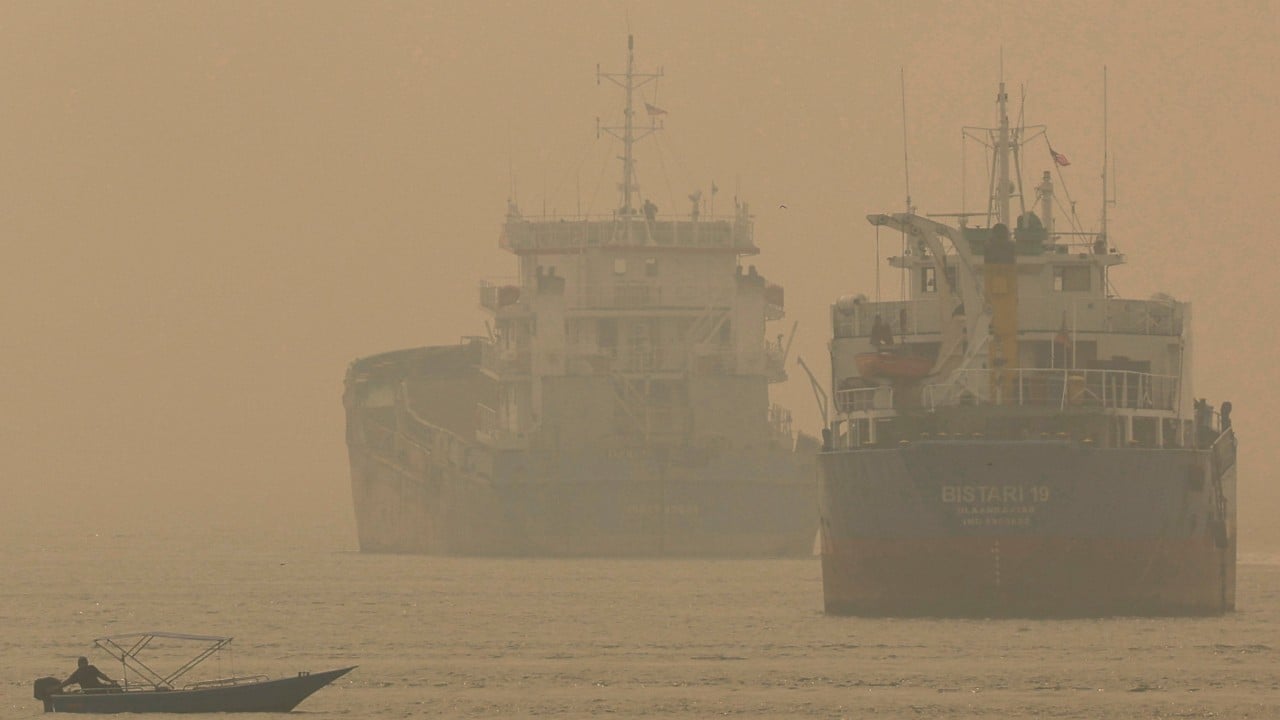
Smoke rolls across the Straits of Malacca every single year. Prime Minister Anwar Ibrahim stands up and tells the public that Malaysia has done everything humanly possible to combat the cross-border haze.
He is wrong.
Activists, scientists, and environmental lawyers aren't just complaining for the sake of it. They see a government trying to sweep an annual choking hazard under the rug with diplomatic polite talk. When your eyes burn and the air quality index spikes into the red zone, "we tried our best" doesn't clear the sky.
Let's look at what's actually happening on the ground.
The Diplomacy Trap That Keeps Malaysia Choking
Kuala Lumpur loves to rely on quiet diplomacy. ASEAN neighbors nod politely, agree to regional frameworks, and then agricultural fires burn right through the dry season anyway.
Anwar insists that Malaysia's hands are tied by national sovereignty rules within the regional bloc. He points out that you cannot send firefighters across international borders without explicit permission or direct bilateral treaties. That is a weak excuse.
Critics argue that Malaysia refuses to use its economic leverage. Malaysian palm oil conglomerates own massive tracts of land across Southeast Asia. If Putrajaya wanted to stop the burning, it could tie corporate profits to accountability. Instead, the government treats the annual smoke like a weather pattern instead of a policy failure.
You cannot negotiate politely with a wildfire.
Why Domestic Legislation Falls Flat
Putrajaya has flirted with a Transboundary Haze Act for years. Other nations have tried similar laws to prosecute domestic companies that cause environmental damage abroad.
Yet, political hesitation keeps getting in the way. Lawmakers worry about scaring away foreign investment or straining ties with Jakarta and Jakarta's powerful plantation lobbies. So, the proposed laws stall in committee rooms while citizens buy N95 masks in bulk.
When you prioritize corporate comfort over public health, your policy framework is fundamentally broken.
Scientists at local universities have mapped out the economic damage of these toxic seasons. Lost workdays, strained healthcare systems, and tourism drops cost the economy billions. Ignoring the root cause to spare diplomatic feelings makes zero financial sense.
What Accountability Actually Looks Like
If Malaysia wants to prove it hasn't exhausted every option, the playbook is wide open.
First, pass the Transboundary Haze Act immediately. Make it illegal for local entities to finance or benefit from land-clearing practices that poison the regional atmosphere, no matter where those fires burn.
Second, demand total supply chain transparency. Consumers deserve to know if the oil in their kitchen or car comes from land scorched by illegal slash-and-burn methods.
Third, stop accepting excuses from regional partners. Trade agreements and environmental standards must lock together.
Anwar wants credit for trying hard. Real leadership means admitting that trying hard isn't enough when the air remains unbreathable. Stop waiting for the wind to shift. Change the rules instead.