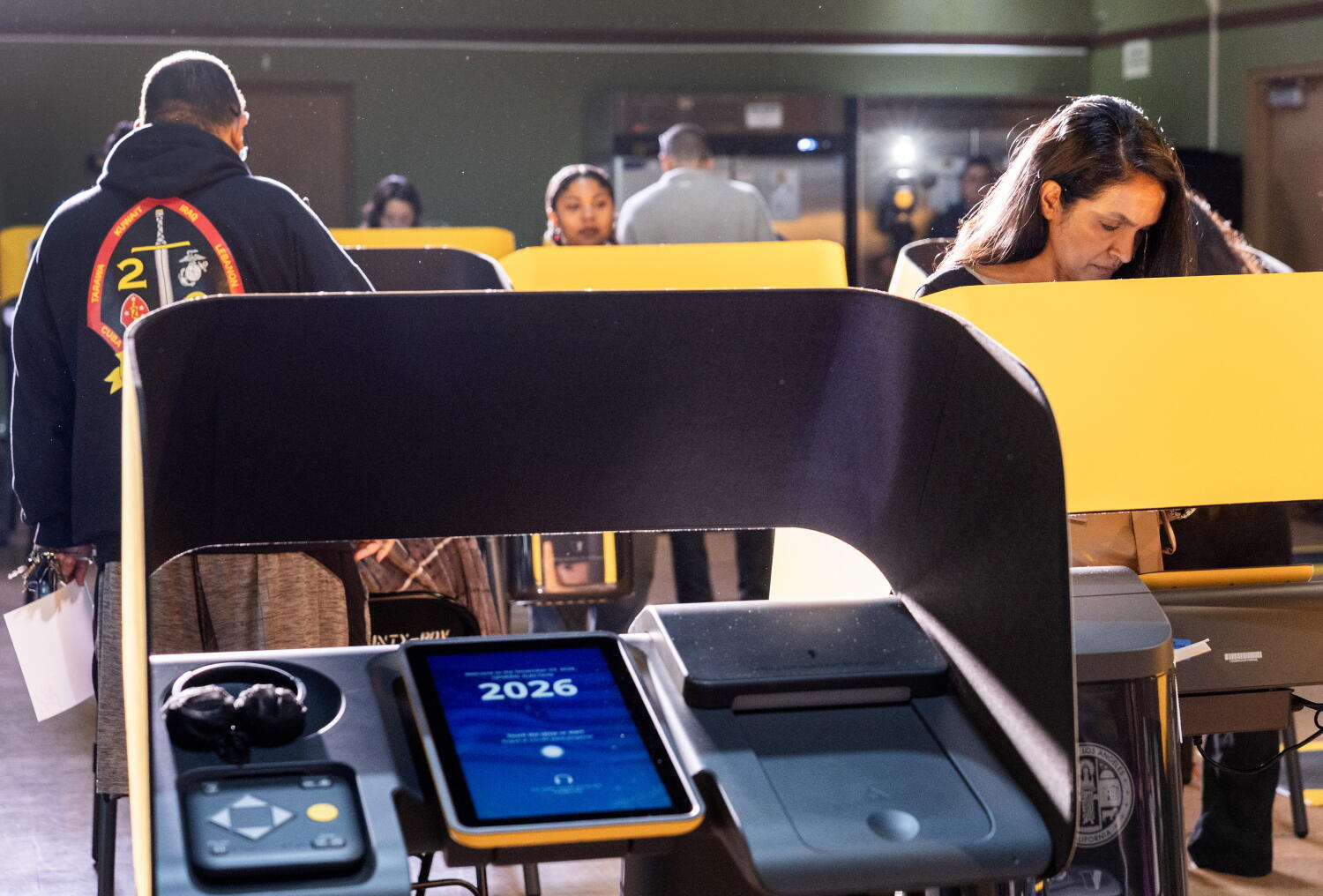
Election night is here, and all eyes are locked on Michigan. The bitter Senate battle between Democrat Abdul El-Sayed and Republican Mike Rogers has reached its absolute climax. Both campaigns spent the final hours urging every possible voter to hit the polls. Control of the United States Senate hangs in the balance.
This isn't just another standard midterm contest. It's a high-stakes clash of starkly different visions for America's future. El-Sayed hopes to shatter a historic glass ceiling to become the first Muslim US senator. Rogers is fighting to flip a crucial seat back for the Republican column, leaning heavily on his national security background. Recent polling averages show a tight race, though final surveys from outlets like the New York Times-Siena poll pointed toward a notable El-Sayed advantage among likely voters as the dust settles.
The Final Push and Last-Minute Drama
The closing stretch of this campaign saw an extraordinary level of friction. Dueling rallies on Monday night laid bare the deep political fault lines running through the state. El-Sayed rallied supporters in Royal Oak, pushing a progressive message focused on economic justice and systemic change. Meanwhile, Rogers gathered his base, capitalizing on surprising late-breaking cross-party endorsements.
Most notably, Democratic US Representative Haley Stevens threw her support behind Rogers. Stevens, who lost the bruising Democratic primary to El-Sayed earlier this cycle, cited policy disagreements and independent campaign ads as her rationale. Rogers welcomed the endorsement as a badge of pragmatic courage, while progressive organizers worked overtime to keep the Democratic base unified and motivated at ballot boxes across Wayne, Oakland, and Macomb counties.
Core Issues Driving Michigan Voters
Voters haven't had an easy choice. The debates and campaign trails exposed sharp disagreements on foreign policy, domestic trade, and federal agencies.
- Economic Pressures and Tariffs: Both candidates addressed the anxieties of working-class Michiganders caught in trade policy shifts. Rogers expressed openness to strategic deals with Canada, while El-Sayed pinned manufacturing struggles directly to past establishment policies.
- Immigration Enforcement: El-Sayed faced intense questioning regarding his stance on immigration agencies like ICE, defending his platform against Republican attacks during their televised debates in Grand Rapids.
- Foreign Policy and Israel: Debates repeatedly returned to US foreign aid and the Middle East, with El-Sayed pushing back against unconditional support while facing aggressive scrutiny from Rogers over national security positions.
What This Race Means for the Balance of Power
The outcome in Michigan carries massive national implications. The Senate currently sits on a razor-thin margin. Whichever party captures this seat gains a vital chess piece in the legislative fight over federal judicial appointments, executive nominations, and economic legislation for the remainder of the decade.
Turnout numbers will decide the winner. Rain or shine, urban centers and suburban strongholds have seen frantic get-out-the-vote operations. Polls are closing, and election workers are racing through ballots. Watch the numbers closely as Michigan delivers its definitive verdict.