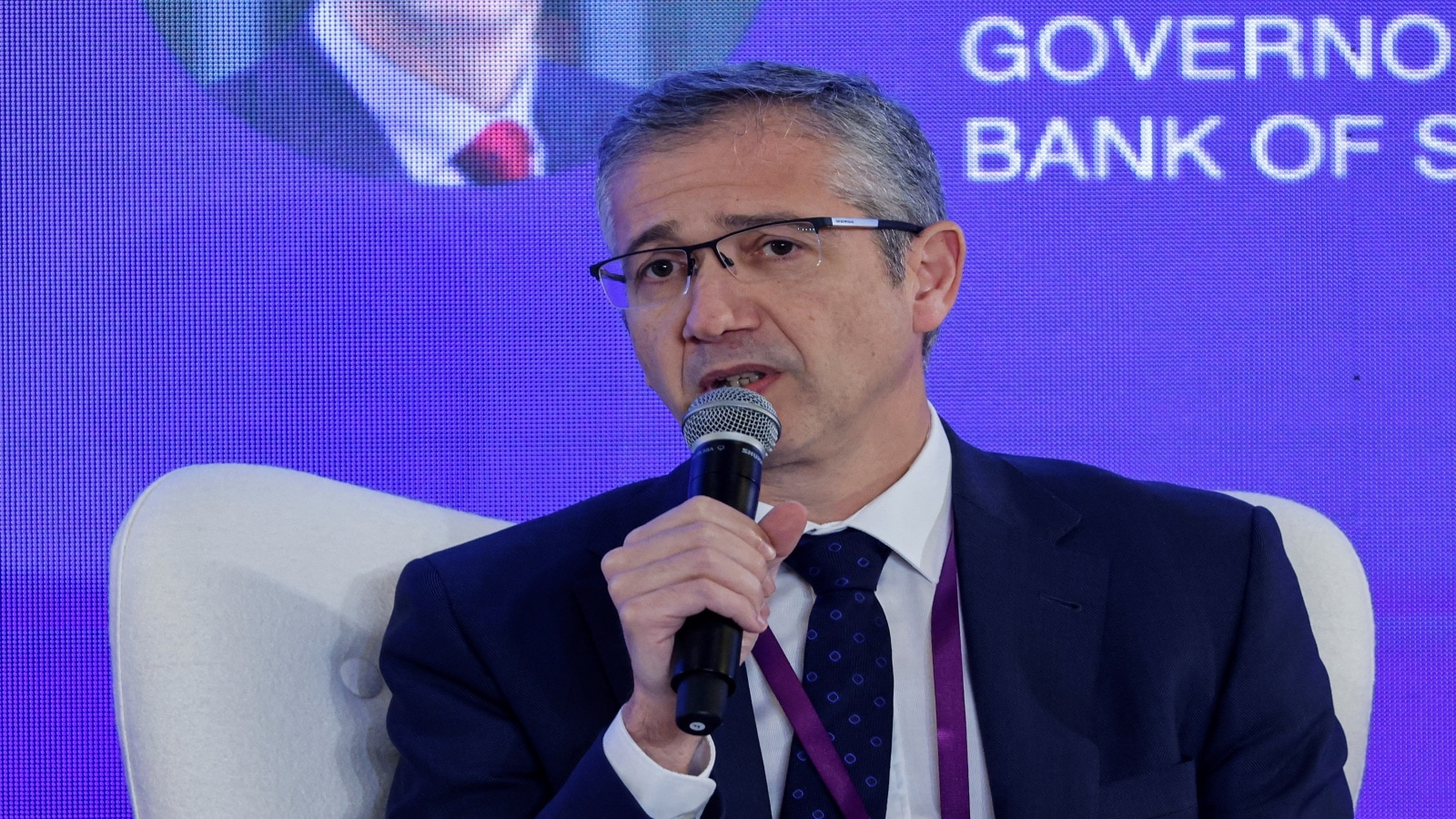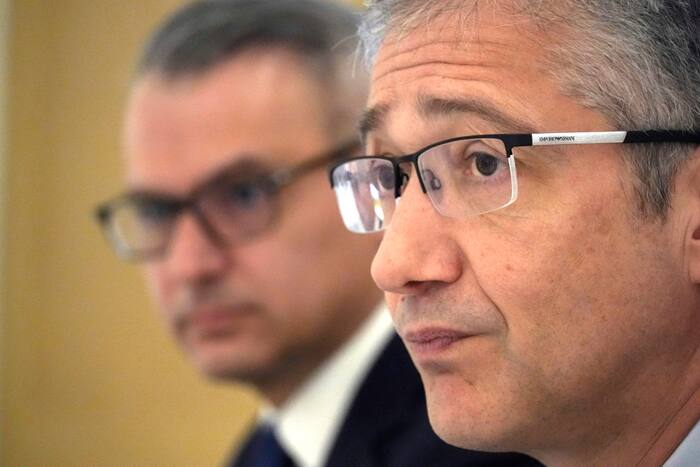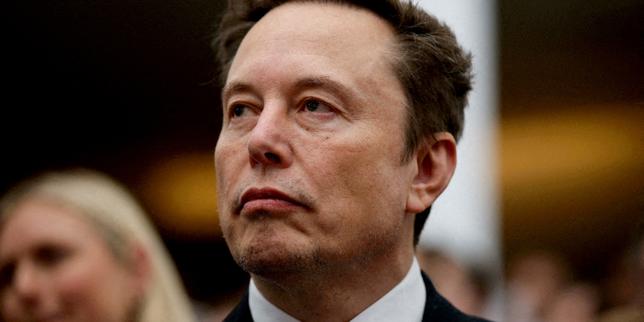
A fresh ECB leadership trio is stepping onto the stage in Frankfurt right as eurozone inflation is running hot and French debt is making bond traders jittery. EU diplomats and leaders moved on November 26, 2026, to back Pablo Hernández de Cos as the next president of the European Central Bank to succeed Christine Lagarde, alongside Laurence Boone and Markus Brunnermeier for the executive board.
Honestly, the timing couldn't be trickier. Inflation in the eurozone climbed to 4% in recent readings, double the ECB's 2% target, while France sits under fiscal pressure ahead of its 2027 presidential election. Markets aren't waiting around to see how this lineup handles both price spikes and sovereign bond stress.
What the New ECB Leadership Trio Actually Means for Rates and Markets
Let's clear up a common myth right away. The ECB president doesn't set interest rates by decree. Decisions come from the 27-member Governing Council, where national central bank governors and executive board members hash things out together.
Still, who sits at the top shapes the agenda, builds consensus, and sets the tone when markets start sweating. Under the consensus agreement reported on November 26, 2026:
- Pablo Hernández de Cos is lined up to succeed Christine Lagarde after she steps down on February 7, 2027, following a European Parliament hearing and final EU summit sign-off in December.
- Laurence Boone, nominated by France, is slated to take on the markets portfolio on the six-member executive board.
- Markus Brunnermeier, put forward by Germany, is set to step into the chief economist role.
Why did this combination come together? The Netherlands backed off its bid for former Dutch central bank governor Klaas Knot after Paris and Berlin aligned behind Hernández de Cos. In plain terms, it's a pragmatic horse-trade across major eurozone capitals.
Fighting Sticky Inflation Without Breaking Growth
If you've watched eurozone price data in the second half of 2026, you know the energy shock from conflict in the Middle East hasn't played nice. Inflation rose from 3.2% in August to 3.8% in September and hit 4% in subsequent readings, forcing the ECB to hike key rates by 25 basis points in September 2026—bringing the deposit facility rate to 2.50%—and hold steady on October 29.
Markets widely expect another quarter-point hike in December 2026. After that? Things get murky. Some analysts see a possible pause or another hike around March 2027—which would be Hernández de Cos's first policy meeting if confirmed—depending on whether oil prices cool and statistical base effects pull inflation down by spring.
Here's the catch. Raising rates tames inflation expectations, yet higher borrowing costs slow down an already sluggish economy. Even a moderate central banker has very little room to play "dove" when inflation is sitting at 4%.
Can This Trio Shield France From a Market Attack?
Here's where things get spicy for Paris. French government debt has drawn heavy scrutiny because France carries one of the bloc's largest debt burdens and widest budget deficits, with political gridlock making painful fiscal consolidation tough to pass.
Yield spreads between French government bonds (OATs) and German Bunds have widened sharply compared to calmer years, turning every budget headline and credit-rating worry into a market event. Even worse, France's presidential election cycle in spring 2027 sits right next to key ECB policy dates.
Why Bond Buying Isn't a Free Bailout for Paris
A lot of commentators talk as if the ECB can simply wave a wand and rescue French bonds whenever yields jump. That's not how it works in reality.
First, the ECB doesn't exist to bail out a single country's fiscal choices. Second, tools like the Transmission Protection Instrument (TPI) are designed to counter unwarranted, disorderly market dynamics that threaten the smooth transmission of monetary policy across the eurozone—not to erase fiscal deficits caused by domestic politics.
Bond-market intervention has a high bar. When spreads widen because investors worry about a country's budget path rather than a sudden eurozone-wide financial shock, the Governing Council usually resists rushing in.
Putting Laurence Boone in the markets seat puts a seasoned French economist close to market plumbing, while Markus Brunnermeier brings deep academic and financial-stability expertise to the chief economist post. Still, they'll have to convince skeptical northern colleagues and bond traders that any action—if ever needed—is strictly about financial stability and market transmission, never political favoritism.
Blind Spots and Practical Moves for Investors and Businesses
Most headline coverage treats ECB appointments like a soap opera about personalities and national quotas. In practice, three blind spots trip people up again and again:
- Confusing headlines with policy execution: Confirmation steps—including European Parliament hearings in December 2026 and formal approval—still have to play out, and even after taking office, the new leaders must build Governing Council consensus.
- Ignoring fiscal math in Paris: Central bank tools can buy time or calm disorderly contagion, yet they cannot fix structural budget deficits or replace political compromise in France.
- Treating short-term cash like it's inflation-proof: When inflation runs around 3% to 4% and deposit rates sit lower than headline price growth, idle cash loses purchasing power quietly.
If you manage business treasury or personal savings in euros, don't guess the exact rate path for next summer. Match your cash buckets to real spending timelines, avoid locking money you'll need soon into volatile assets, and watch two concrete signals: December's ECB rate decision and whether French-German bond spreads calm down or spill into wider eurozone markets.