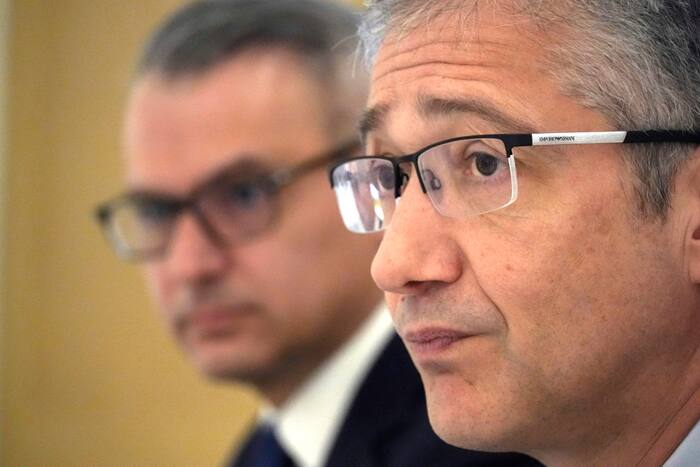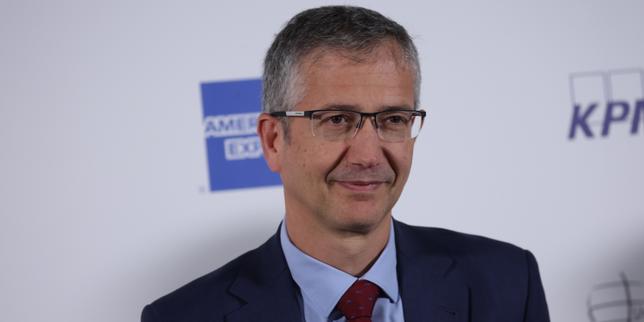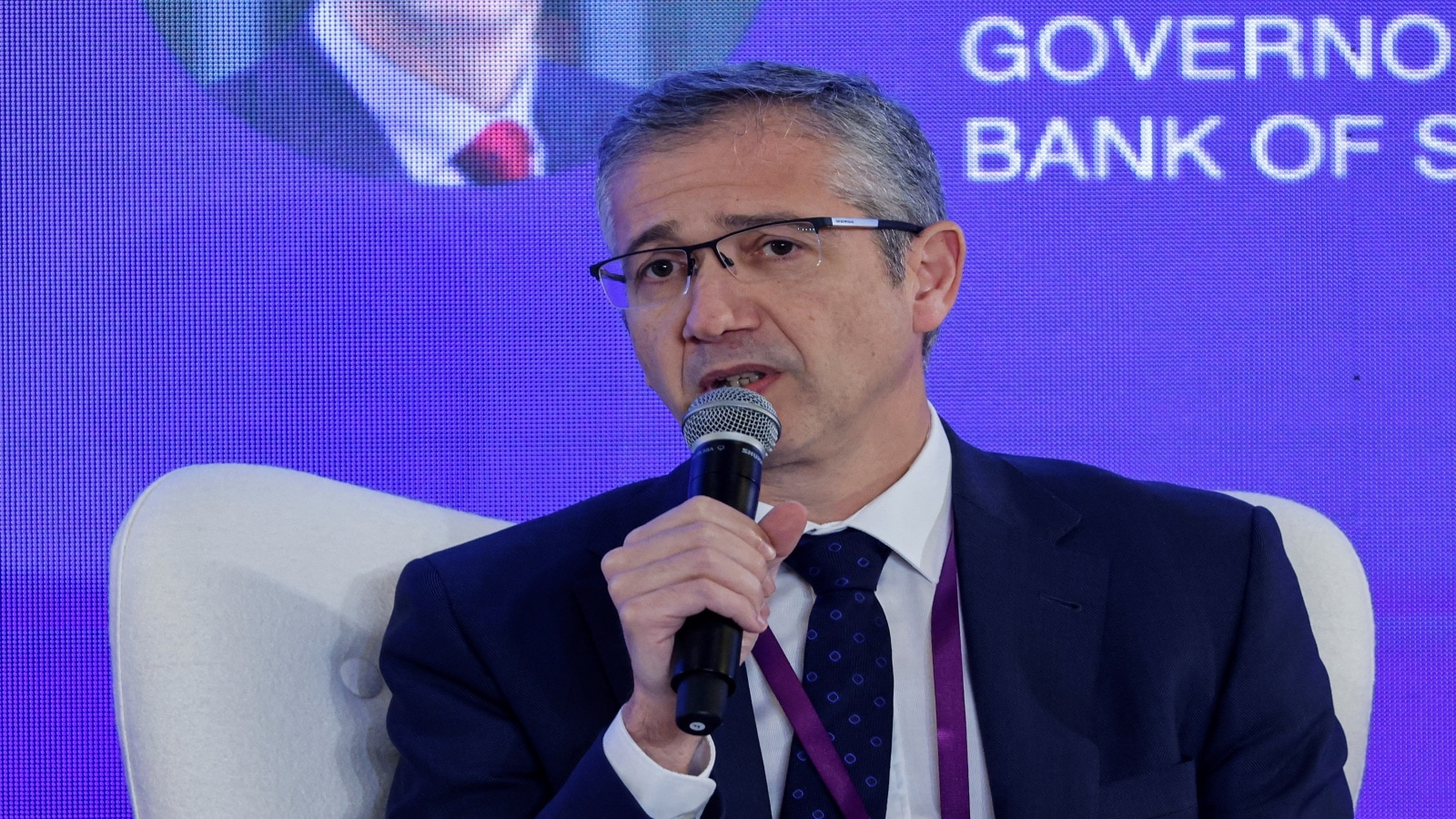
European leaders just made their move. Pablo Hernández de Cos is set to take over as the next president of the European Central Bank, succeeding Christine Lagarde when she steps down in early 2027. If you've been watching eurozone bond markets sweat or trying to guess where borrowing costs are heading next, this leadership change matters. It's not just a swap of faces in Frankfurt. It signals a hard pivot toward institutional continuity backed by heavy-hitting regulatory experience.
The deal came together during a summit in Brussels where the Netherlands dropped its support for former Dutch central bank chief Klaas Knot. That cleared the runway for Hernández de Cos, securing backing from the bloc's heavyweights, including France and Germany. As part of the wider executive board package, Germany's Markus Brunnermeier is lined up as chief economist, while France's Laurence Boone takes over the markets portfolio.
What Makes Hernández de Cos Different
Most people assume central bankers are just political appointees reading scripts written by finance ministries. That couldn't be further from the truth here. Hernández de Cos spent six years as the governor of the Bank of Spain from 2018 to 2024, sat on the ECB's governing council, and chaired the Basel Committee on Banking Supervision. More recently, he took the helm as general manager of the Bank for International Settlements in Basel.
He isn't walking into this blind. He knows how the plumbing of international finance works down to the last bolt. Economists often label him a pragmatist rather than an ideologue. When inflation hit record highs, he backed rate hikes. When the pandemic threatened financial ruin, he supported aggressive stimulus. He avoids dogmatic monetary policy and focuses on hard data. That flexibility is precisely what the eurozone needs right now.
The Immediate Headwinds Waiting in Frankfurt
The incoming president won't enjoy a honeymoon period. Bond markets are twitchy, public debt is straining budgets, and political turbulence across key member states threatens the stability of the euro. France's ongoing fiscal and political pressures mean the new leadership will face intense scrutiny from day one.
When Hernández de Cos chairs his first policy meeting in March 2027, markets will test his resolve immediately. Investors want to know if he will maintain a steady hand against inflationary shocks or cave to political pressure when borrowing costs bite too hard. His background running the Basel Committee means he treats banking sector vulnerabilities as priority number one. Expect tighter scrutiny on commercial bank capital buffers and less tolerance for hidden risks in non-bank financial intermediaries.
How This Affects Borrowing Costs and Mortgages
If you run a business or hold a mortgage in the eurozone, you care about one thing: what happens to interest rates. Lagarde's final months are seeing sticky inflation prints and debates over whether additional rate hikes are required. Hernández de Cos is expected to preserve policy stability rather than shake up the framework.
He understands that transmission channels across eurozone economies aren't uniform. What works for the German industrial base doesn't always fit the economic reality in Spain or Italy. His dual experience at national and global levels gives him a rare appreciation for asymmetric shocks.
To prepare for the transition, keep a close eye on upcoming eurozone inflation reports and executive board confirmations. Watch how German and French sovereign yield spreads react to political developments. The era of unpredictable central bank surprises is taking a back seat. Pragmatism is back in the driver's seat in Frankfurt.