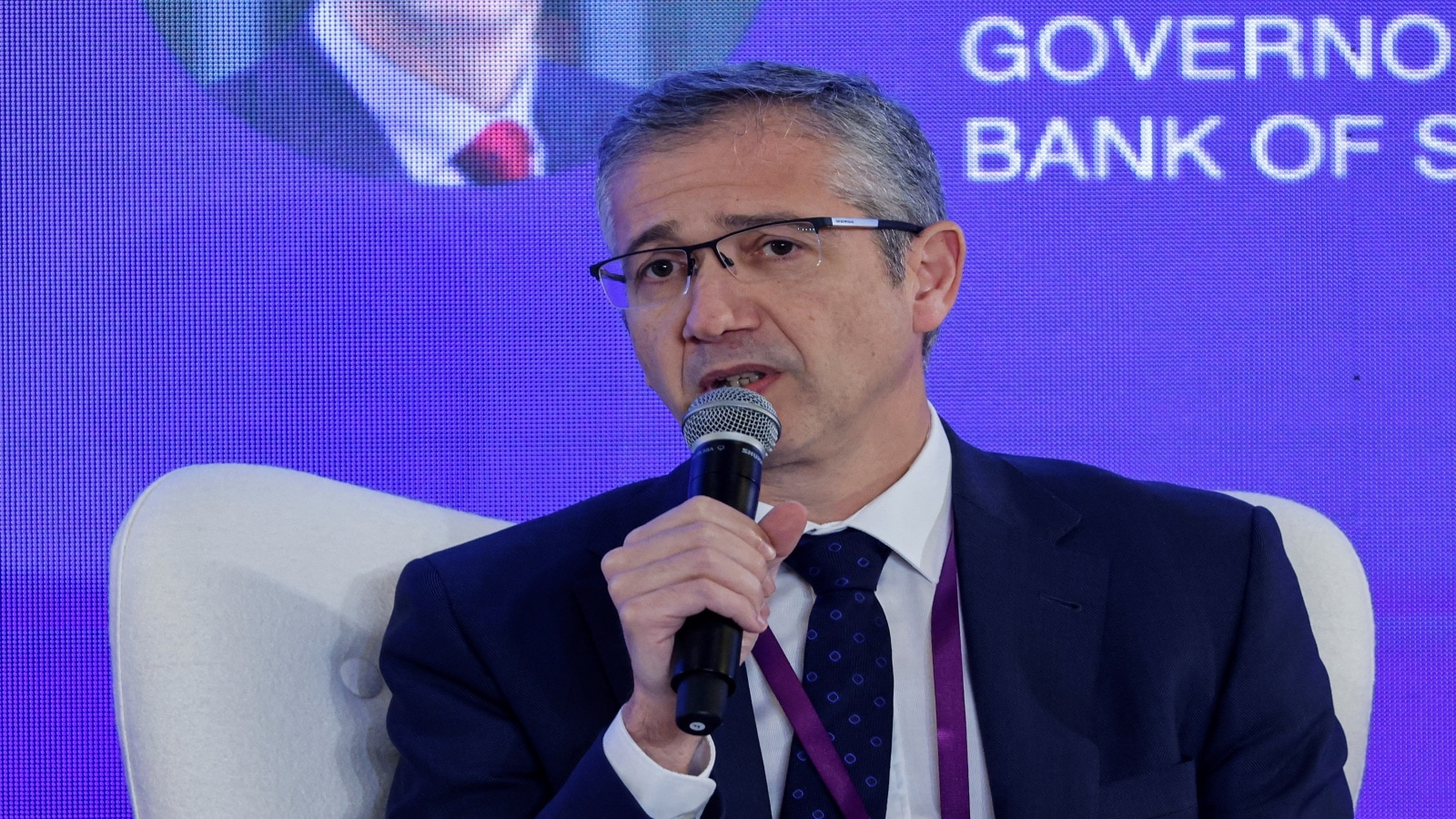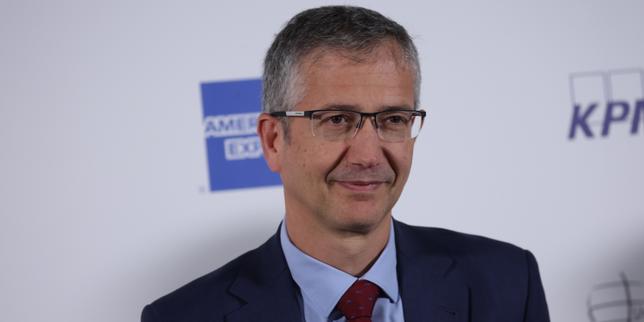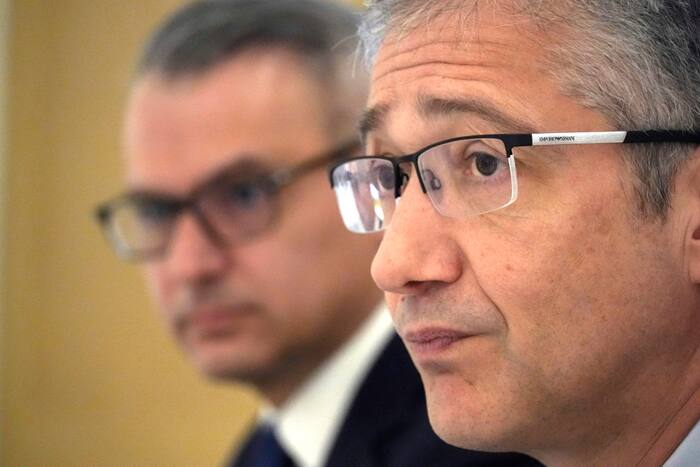
Eurozone leaders just handed the keys to Frankfurt to a Spanish economist who knows where every body is buried. On November 26, 2026, leaders from the 21 countries using the euro agreed in Brussels to pick Pablo Hernández de Cos as the next European Central Bank president. He steps in after Christine Lagarde exits on February 7, 2027, nine months ahead of schedule.
That timing isn't an accident. Frankly, it's a calculated power move by pro-European leaders who want the succession locked down while French President Emmanuel Macron is still in office and before French political shifts—including potential pressure from Marine Le Pen's camp—can reshape the conversation. For 359 million people across the eurozone, this decision sets the tone for interest rates, bond yields, mortgage costs, and how Europe handles fresh inflation shocks tied to the war in Iran.
What picking Pablo Hernández de Cos as European Central Bank president actually means
If you only read wire summaries, you might get the wrong idea about who Pablo Hernández de Cos is. Many analysts call him a dove because he sat on the ECB's rate-setting council from 2018 to 2024 as head of the Bank of Spain and backed hefty stimulus during the COVID-19 crisis, including the 1.85 trillion euro pandemic emergency bond program. Back in 2020, he argued that emergency action worked because it stopped financial market stress from spiraling across eurozone countries and kept borrowing costs manageable for governments and businesses.
Here is the catch. Calling him a pure dove misses how central banking actually works when inflation spikes. Right now, eurozone inflation is running around 4%, double the ECB's 2% target, pushed higher by energy disruptions from the war in Iran. You don't survive years inside the Bank of Spain and the Bank for International Settlements—where Hernández de Cos serves as general manager in Basel—by ignoring price stability when inflation is double the goal.
Colleagues and ECB watchers who track his speeches point out a simpler truth. He's a pragmatist. When growth stalls and markets freeze up, he leans toward supporting liquidity and avoiding unnecessary damage. When inflation jumps and threatens credibility, he moves with the data. Even if he leans dovish at heart, one president can't single-handedly dictate rates across a multi-member Governing Council, especially when inflation sits at 4% and a December rate move is already widely expected.
Why Klaas Knot lost and politics shaped the deal
The headline race pitted Hernández de Cos against Klaas Knot, the former head of the Dutch central bank who built a strong reputation as a hawk focused on fighting inflation. Picking a dovish-leaning Spaniard over a hawkish Dutchman sends a clear signal to markets: European leaders are nervous about debt sustainability and heavy financing costs, not just consumer prices.
Commerzbank analyst Marco Wagner noted that with government debt climbing across several eurozone countries, plenty of capitals prefer a leader who won't reflexively choke growth with punishing rate hikes. France stands out right now because high debt and steep interest burdens are squeezing its budget, while political gridlock makes deficit cutting tough. Still, let's be honest with ourselves. Markets shouldn't treat Hernández de Cos as a magic rescue button for French fiscal paralysis. The ECB has tools to calm disorderly market stress when needed, yet it won't simply paper over unresolved budget fights in Paris.
Lagarde's early departure adds another layer. At 70, she announced on October 30, 2026, that she would step down on February 7, 2027, saying she wanted more freedom to speak on issues beyond monetary policy. Whatever her personal reasons, leaving early let eurozone leaders settle the presidency in late 2026 rather than rolling the dice later. Formal sign-off from the European Parliament and the ECB Governing Council still has to happen, though those steps are widely viewed as formalities once leaders strike their deal.
The executive board shakeup nobody should ignore
People obsess over the president, and I get why—the press conferences are dramatic and the title carries huge symbolic weight. Yet real policy legwork happens across the six-member executive board running day-to-day operations in Frankfurt.
Alongside Hernández de Cos, eurozone leaders agreed on two major executive board appointments:
- Markus Brunnermeier (Germany), a Princeton University professor, is lined up to succeed Philip Lane, whose term wraps up in May. Lane served as chief economist, shaping the economic projections and rate proposals the Governing Council debates. Bringing in a scholar known for financial stability, liquidity, and systemic risk research changes the analytical flavor at the top.
- Laurence Boone (France), head of corporate and investment banking in France for Santander, is slated to take the seat opening when Germany's Isabel Schnabel steps down in January. Moving from a prominent voice on financial conditions and market risks to a banker deeply plugged into corporate and investment financing in France shifts how market signals get read inside the boardroom.
Put those three names together and you get a distinct mix: an institutional insider who has run both a national central bank and the Bank for International Settlements, a heavyweight academic economist, and a senior market practitioner. That trio looks built to handle messy overlaps between energy shocks, bank funding, and sovereign debt.
Common myths about the ECB and rate decisions
Every time central bank leadership changes, the same myths circulate on trading desks and dinner tables. Let's clear a few up before you make any financial assumptions.
Myth one: The ECB president sets interest rates alone. Wrong. Interest rates are decided collectively by the Governing Council, which brings together executive board members and national central bank governors from the eurozone. The president chairs meetings, frames consensus, and leads communication, which matters enormously, but they don't wield a solo remote control.
Myth two: A former Spanish central bank chief automatically favors cheap money forever. Not necessarily. While southern European policymakers are often stereotyped as favoring looser policy, inflation at 4% changes the math for everyone. A central bank that lets energy-driven inflation entrench itself risks wage-price spirals and higher long-term yields anyway.
Myth three: The ECB can fix national budget deficits. Nope. Monetary policy manages money and credit across the currency union; it can't replace tax reform, spending discipline, or political compromise in individual capitals.
What to watch next if you track markets, rates, or business costs
If you run a business in Europe, hold euro-denominated debt, or trade European assets, don't wait for the formal handover to pay attention. Here are concrete steps you can take right now:
- Watch the December 17, 2026 ECB meeting. Lagarde is still in charge for that decision, and policymakers have signaled strong expectations for another rate hike given 4% inflation. Track whether the Governing Council signals a quick peak or leaves the door open to further tightening in early 2027.
- Audit your floating-rate exposure. If your company or household carries variable-rate loans, credit lines, or refinancing needs over the next six to twelve months, stress-test cash flows against rates staying elevated longer than you'd like.
- Track energy prices and sovereign spreads. Watch oil and energy markets tied to the Middle East conflict alongside government bond yields in major eurozone economies like France and Germany. Spreads tell you quickly whether bond investors trust fiscal discipline or doubt it.
- Follow the formal confirmation timeline. Keep an eye on European Parliament hearings and Governing Council consultations ahead of Lagarde's February 7, 2027 exit and Hernández de Cos's first monetary policy meeting in March 2027.
Central banking in 2027 won't be calm or predictable. With inflation twice the target, geopolitical energy risk hanging over Europe, and heavy government debt in the background, Hernández de Cos is stepping straight into the storm.