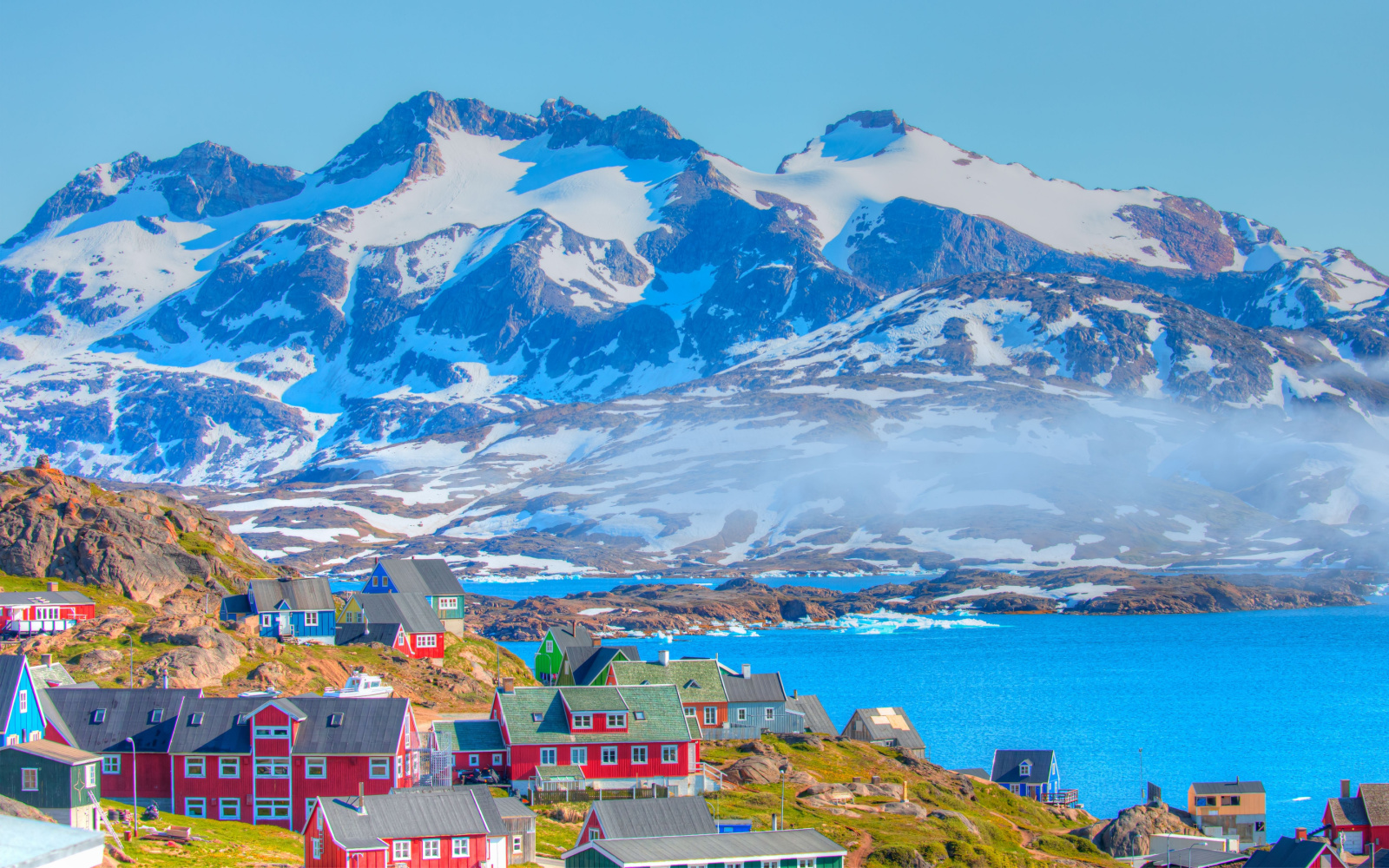
The Arctic is heating up, and it's not just the icebergs melting. Greenland's parliament just voted 16-0 to approve a high-stakes trilateral security agreement with the United States and Denmark. If you’ve been watching the geopolitical chess match over the world's largest island, you know this vote brings an end to months of intense pressure from Washington.
President Donald Trump spent the better part of the year pushing hard for American control over the mineral-rich territory. That aggressive stance rattled traditional alliances. Now, this newly ratified pact attempts to thread an impossible needle: expanding Washington's military footprint while keeping Greenland under Danish sovereignty.
Let's break down what this deal actually means, why local residents are anxious, and what comes next for the shifting balance of power in the North Atlantic.
Behind the Votes in Nuuk
Lawmakers gathered in Nuuk to cast their ballots. When the dust settled, 16 members voted in favor, zero opposed, and seven abstained.
A unanimous "yes" sounds like overwhelming enthusiasm. It wasn't.
Many politicians and local residents treated this vote as a necessary defensive maneuver against an unpredictable superpower rather than a celebratory milestone. For months, residents listened to rhetoric from Washington threatening forceful acquisition. Voters felt cornered.
The agreement itself updates a framework originally established back in 1951. It paves the way for a more robust American military presence, including provisions for two new military bases and integration with missile defense infrastructure. Yet, the text explicitly maintains that the island remains part of the Kingdom of Denmark and preserves Greenland's legal path toward eventual independence.
Why the Arctic Matters Right Now
You might wonder why a massive, ice-covered island suddenly sits at the center of global superpower competition.
Climate change is opening up new shipping lanes across the Arctic Circle. These routes cut transit times between Asia and North America drastically. Beneath that receding ice lies an untapped treasure trove of rare earth minerals, oil, and natural gas.
At the same time, geopolitical rivals like Russia and China are expanding their northern reach. Moscow has reopened and modernized Soviet-era military installations along its northern coast. Beijing has branded itself a "near-Arctic state," investing heavily in scientific outposts and mining ventures.
Washington views these moves through a lens of existential national security. Control over Greenland's skies and waters means control over the choke points of the North Atlantic. The Pituffik Space Station (formerly Thule Air Base) has long provided early warning tracking for incoming ballistic missiles. Expanding these capabilities is a priority the Pentagon isn't willing to compromise on.
The Local Divide: Protection Versus Profit
While diplomats in Washington, Copenhagen, and Nuuk toast to international stability, everyday people living in towns like Ilulissat view the agreement with heavy skepticism.
Take Nukaaka Lund-Mathaeussen, a local resident who spoke with reporters after the vote. She expressed relief that the underhanded threats might finally stop, but she also voiced a common sentiment of powerlessness. Ordinary citizens rarely get a seat at the diplomatic table when global heavyweights start throwing their weight around.
Other locals point out a glaring economic disconnect. The agreement stipulates that Washington should award contracting work for base construction and maintenance to Greenlandic sources whenever possible. But local leaders, such as Avannaata Municipality Mayor Lars Erik Gabrielsen, remain unconvinced.
"It's a good deal for Denmark, NATO," Gabrielsen noted bluntly. "Not a good deal for us. There are no benefits, no money to our society. Zero."
People are worried about bearing the environmental and geopolitical risks of hosting expanded foreign military installations without seeing a meaningful bump in local living standards or economic independence.
What Happens Next in the Legislative Pipeline
The political drama isn't quite over yet.
While Greenland's parliament gave its green light, the agreement still requires formal approval from the Danish Parliament in Copenhagen. That legislative review process is scheduled to run through mid-November.
Once both parliaments complete their procedural hurdles and issue official diplomatic notifications to the United States, the pact formally enters into force.
Expect construction crews, military planners, and defense contractors to begin surveying new installation sites soon after. The Arctic is officially locked into a new era of militarization. The big question is whether Greenland can leverage this strategic value into true financial self-sufficiency, or if it will simply remain a pawn in a game played by larger capitals.
Review the upcoming parliamentary votes in Denmark to track the final implementation timeline, and watch for announcements regarding defense contract allocations in northern municipalities.