Another projectile flies toward the eastern waters. Seoul detects it immediately. Washington watches closely. If you follow global politics, this routine feels exhausting and painfully familiar.
North Korea has fired an unidentified projectile toward the East Sea, according to South Korea's Joint Chiefs of Staff. But writing this off as just another routine weapons test misses a much larger and more aggressive geopolitical puzzle playing out right now.
The Timing Tells the Real Story
Look past the military tracking data and examine the calendar. This latest launch didn't happen in a vacuum. It follows a massive wave of short-range ballistic missile tests and lands right on the heels of high-stakes friction over global cybercrime allegations.
Just days before, the FBI publicly attributed a record-breaking multi-billion-dollar cryptocurrency heist at Binance to North Korean state-sponsored hacking groups like TraderTraitor. Pyongyang didn't just deny the charges. They used the moment to slam the door shut on future diplomacy.
Kim Yo Jong, the influential sister of North Korean leader Kim Jong Un, came out swinging against Washington. She dismissed any prospect of sitting down for talks, pointing straight at what she called America's unyielding hostile policy. When diplomatic channels freeze this fast, the military testing ramps up to fill the silence.
Inside Pyongyangs Strategic Calculus
Why keep launching projectiles into the sea? It comes down to domestic messaging and hard power projection.
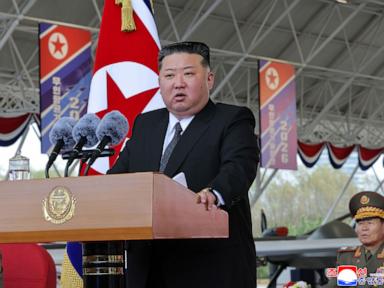
Kim Jong Un has spent recent weeks inspecting naval shipyards and stressing the urgent need to build up a more powerful naval force. Every missile test serves a dual purpose. It tests hardware advancements—ranging from hypersonic systems to maneuverable short-range platforms—while signaling absolute defiance to Seoul and Washington.
South Korea's military proposed cross-border talks earlier in the cycle to ease rising boundary tensions. North Korea's response was unmistakable. They answered an olive branch with artillery units near the border, loudspeaker broadcasts, and another streak of missile firings.
What Comes Next on the Peninsula
The security dynamic in East Asia is entering a more volatile phase. With nuclear diplomacy completely stalled and economic sanctions failing to curb weapons development, both sides are locked into a cycle of friction.
Seoul and Tokyo will keep tracking every blip on their radar screens. Washington will issue statements condemning violations of UN Security Council resolutions. And Pyongyang will keep building, testing, and pushing back against international pressure.
There's no quick fix on the horizon. The standoff continues.