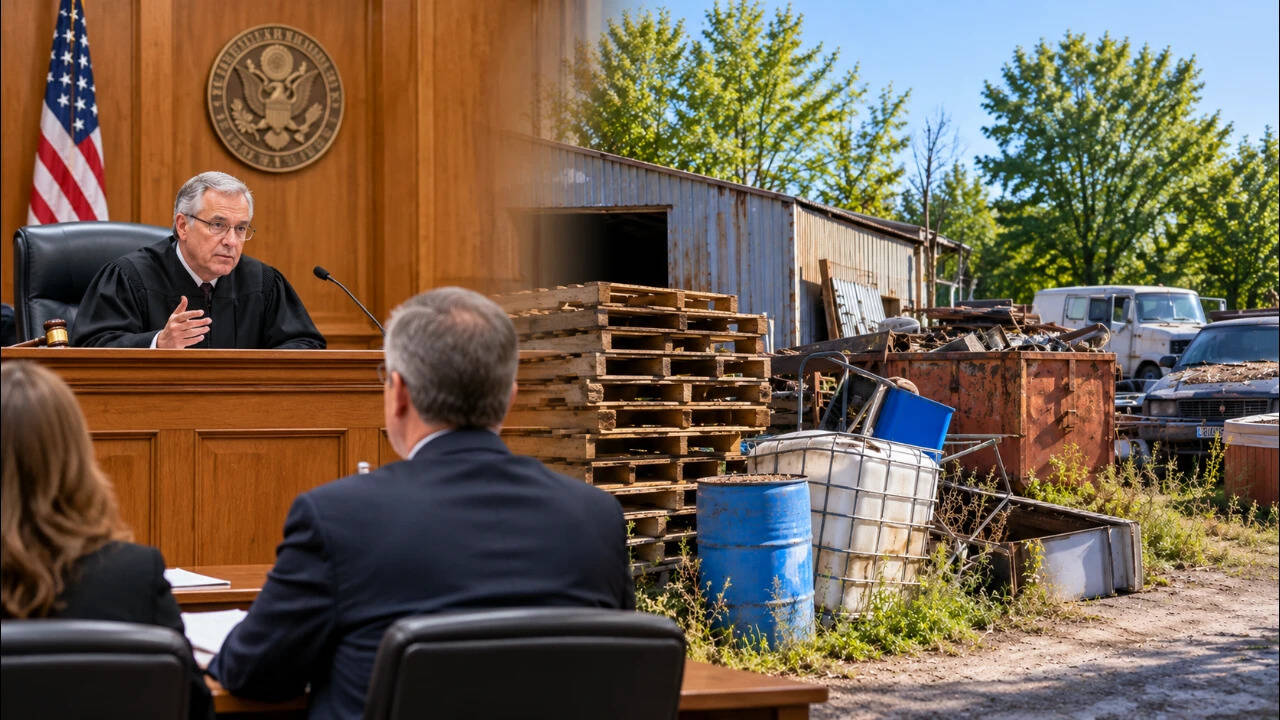
Seventy-four lashes for singing a song without a head covering. Read that sentence again if it still feels surreal, because in November 2026 Iranian authorities carried out that exact flogging sentence against singer Parastoo Ahmadi and four members of her production team over a virtual concert she filmed back in December 2024.
According to her lawyer, Mostafa Nili, speaking to Iranian outlets including Emtedad and ISNA, the punishment took place on Monday at the prosecutor's office in Qom after a local appeals court upheld the conviction in September. Alongside the flogging, Ahmadi and her associates were slapped with two-year bans on performing and leaving Iran, on charges tied to "offending public decency" and publishing "obscene and immoral" material online.
If you're searching for what happened, why it took nearly two years to happen, and what it means for women in Iran right now, the short answer is grim. Tehran isn't just enforcing dress codes here. It's using physical punishment as a warning shot against cultural defiance at a moment when the state feels cornered at home and abroad.
How a Virtual Concert Became a Criminal Case
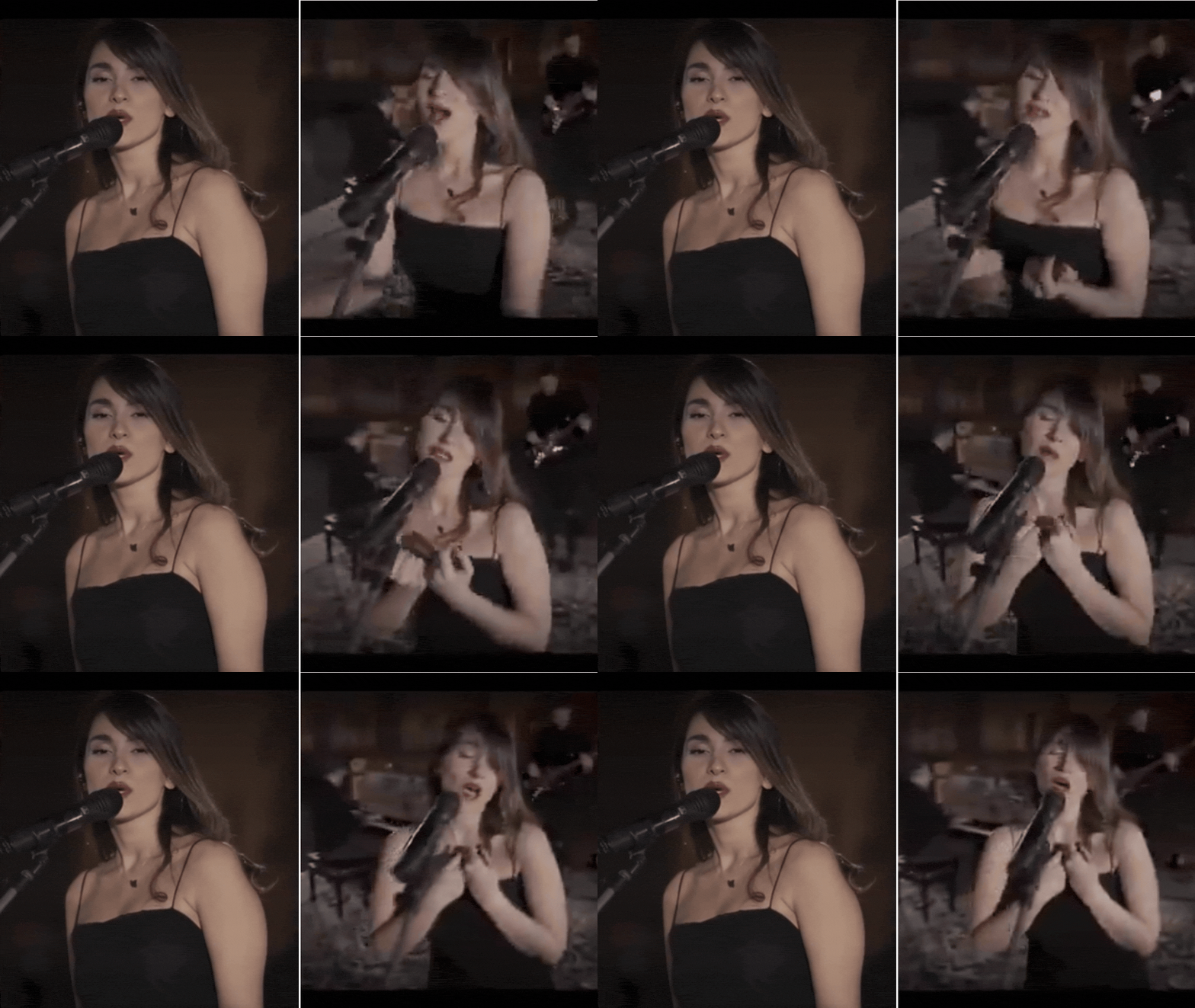
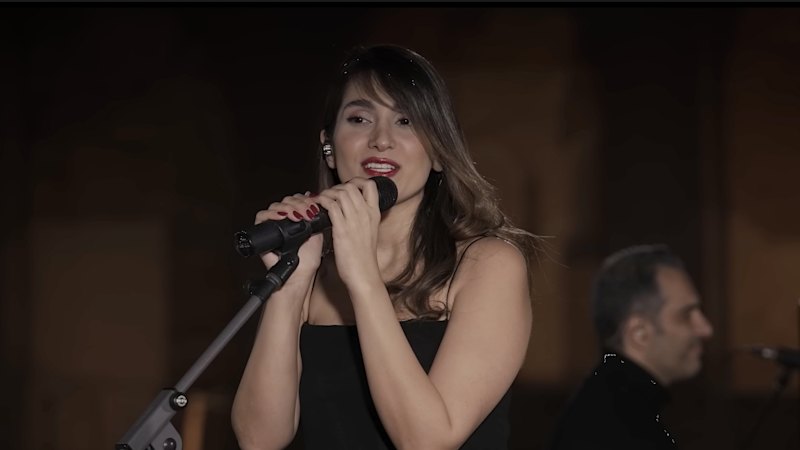
Ahmadi's performance wasn't some rowdy underground rave in front of thousands of people. It was a quiet, carefully staged "imaginary concert" at the historic Dayr-Gachin Caravanserai near Qom, livestreamed on YouTube with no live audience, where she wore a long black gown with uncovered hair and shoulders alongside male musicians.
She framed it simply as a girl wanting to sing for the people and land she loves. Yet that quiet defiance struck a nerve, pulling in more than 3 million views online and turning a solo folk performance into a direct challenge to two overlapping state taboos: mandatory hijab rules for women and strict bans on women singing solo in public.
Prosecutors initially handed flogging sentences to Ahmadi and eight others involved with the broadcast in June, before an appellate court in Qom upheld the convictions in September. By Monday, Nili confirmed that Ahmadi and four team members had received their 74 lashes, while what happened to the remaining four sentenced individuals remained unclear.
Watching a single singer trigger that level of state fury tells you a lot about how fragile cultural control looks from inside Tehran. Even without a physical crowd in the room, the video traveled across screens and sparked conversations the authorities couldn't easily erase.
Singing Without a Hijab Challenges Two Red Lines at Once
People outside Iran often treat the mandatory hijab as the sole flashpoint, and Mahsa Amini's 2022 death in morality police custody certainly proved how explosive that rule is. Since the "Woman, Life, Freedom" protests erupted, plenty of women across Iranian cities have walked bareheaded in public, sometimes even appearing unveiled in settings that would've been unthinkable a few years ago.
Singing adds another layer entirely. In the Islamic Republic's legal and clerical framework, women's solo singing in public—or before men who aren't close relatives—has long been restricted or banned outright under modesty rules. When Ahmadi combined an uncovered head and shoulders with solo vocals and a nationalist, folk-infused tone, she stepped across a double boundary.
Look at how other musicians have been treated when they push those lines. Singer Mehdi Yarrahi was arrested in 2023 after releasing a song encouraging women to remove their head coverings, and Zara Esmaeili faced arrest in 2024 for singing on camera without a hijab before later being reported as based in France.
- Dress code enforcement is uneven on the street: Many women go unveiled in daily life, and state enforcement has shifted between aggressive sweeps and selective restraint.
- Public female performance faces sharper barriers: Singing solo on camera or in public draws harsher legal scrutiny than walking past a shop without a scarf.
- Digital reach multiplies the penalty: Posting a performance on YouTube turns a local act into a viral symbol that prosecutors treat as public dissemination.
Honestly, that contrast explains why Ahmadi's case hits harder than a routine street stop. She wasn't caught off guard by a patrol; she made a deliberate artistic choice and put it in front of millions of people.
Why Flogging Is Happening Now Amid War and Crackdowns
Timing matters hugely here. Ahmadi's flogging comes after a brutal year in which Iranian authorities crushed mass protests in January that human rights groups say killed thousands of demonstrators, followed by heightened tensions and military conflict involving the United States and Israel starting in February.
Mahmood Amiry-Moghaddam, director of the Norway-based group Iran Human Rights, pointed out that war and regional crises have pulled global headlines elsewhere, lowering the political cost of domestic repression for Tehran. What used to spark massive international pushback doesn't always hold the world's attention for long when bombs and geopolitics dominate the news cycle.
At the same time, the New York-based Centre for Human Rights in Iran warned in October that pressure on artists, writers, and cultural figures has ramped up sharply, pointing to roughly eight cultural figures arrested, detained, prosecuted, or imprisoned over songs, poems, paintings, books, or posts in September and October alone. Amnesty International also spoke out in early October against confirming flogging punishments in the case.
From Tehran's perspective, whipping a popular singer isn't random cruelty—it's deterrence. When young Iranians keep pushing for basic personal freedoms despite heavy costs, the state tries to make the price of visibility look unbearable.
What This Means for Coverage, Solidarity, and Action
If you're following this story because you care about human rights in Iran or you're trying to make sense of mixed reports coming out of the country, don't rely on single-line headlines. Information inside Iran is tightly filtered, lawyers and family members face real pressure, and details like the fate of co-defendants sometimes take days or weeks to clarify.
Practical ways to stay accurate and supportive:
- Cross-check reporting across credible outlets and rights groups: Compare accounts from independent regional and international press—such as Al-Monitor or major wire services—alongside documentation from organizations like Iran Human Rights, the Centre for Human Rights in Iran, and Amnesty International.
- Track the secondary penalties, not just the lashes: Two-year bans on performing and leaving the country quietly wreck livelihoods and isolate artists even after physical punishment ends.
- Support verified independent journalism and rights monitors: If you want to help keep spotlighting cases like Ahmadi's when global attention drifts, donate to or share verified reporting from human rights organizations monitoring political prisoners and cultural expression in Iran.
A voice on a screen shouldn't require physical courage just to exist, yet in Iran right now, a woman singing without a veil still forces the state to show its hand.