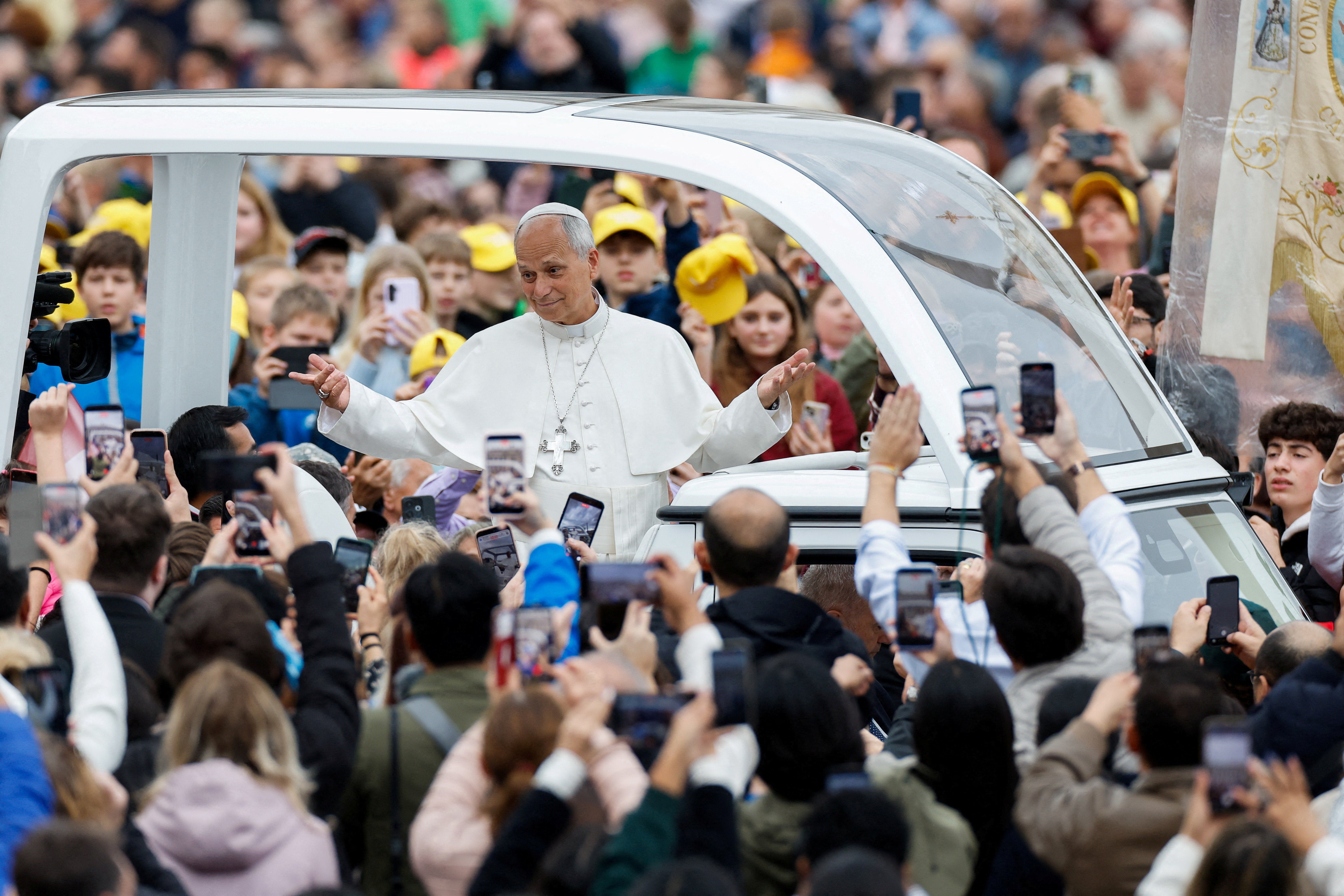
Sending six telegrams from an airplane might sound like an old-fashioned formality. Honestly, most people scroll right past these diplomatic dispatches without realizing what's actually happening at 35,000 feet.
When Pope Leo XIV flew back to Rome from Lima on November 17, 2026, wrapping up a 12-day apostolic journey through Uruguay, Argentina, and Peru, he did what popes always do over foreign airspace. He sent telegrams to the leaders of the nations along his route. Six of them in total: Peruvian President Keiko Fujimori as he departed, followed by messages tied to overflights and arrival across Brazil, French Guiana, Morocco, Spain, and Italy.
On the surface, it's standard Vatican etiquette. A polite nod to sovereignty while crossing borders in the sky. Look closer, though, and those short messages reveal the real pressures and priorities of his pontificate right now.
What Pope Leo's Telegrams Actually Say Beneath the Diplomacy
Papal overflight telegrams follow a recognizable rhythm. You'll see prayers for peace, concord, unity, and prosperity, paired with warm greetings to heads of state and their citizens.
During the return leg from Peru to Rome, Pope Leo XIV addressed each stop with specific notes. Leaving Peru—where he spent roughly two decades as a missionary priest, especially in Chiclayo—his departure came at the end of a trip marked by appeals against violence, support for Indigenous rights, and direct meetings with victims of Church abuse. Moving over Brazil brought good wishes and prayers for President Luiz Inácio Lula da Silva and Brazilians. Over French Guiana, his message to French President Emmanuel Macron prayed for peace, prosperity, and concord. To Morocco's King Mohammed VI, he asked for unity and peace. Over Spain, he greeted King Felipe VI while recalling a recent visit to the country. Finally, upon returning to Italy, he sent his sixth telegram to Italian President Sergio Mattarella, reflecting on the faith and pastoral life of the communities he had just visited and assuring Italy of his prayers.
If you treat those words as mere wallpaper, you miss the point. Vatican diplomacy has long used concise, public gestures to signal themes the Pope is emphasizing on the ground. A prayer for "concord" or "unity" isn't just poetic filler when a pontiff has just spent nearly two weeks talking about polarization, social justice, and reconciliation across South America.
Why This Return Flight Was Different From a Typical Trip
Plenty of papal flights generate routine telegrams. This one happened under unusual circumstances that give the messages extra texture.
First, this was Pope Leo XIV's sixth apostolic journey and the longest foreign trip of his pontificate so far, spanning November 6 to November 17, 2026 across Uruguay, Argentina, and Peru. Second, he made the trip shortly after undergoing a demanding medical operation a little over a month earlier. During his remarks aboard the plane back to Rome, he openly thanked God and his medical team, urging people not to skip check-ups or fear needed treatment.
That detail matters because it grounds his prayers for peace and healing in something tangible. He wasn't speaking from an ivory tower or a smooth, effortless schedule. He had just pushed through a grueling itinerary while recovering from surgery, then turned his attention outward to nations dealing with very real internal strains—from economic anxiety and political division in the Americas to broader global conflicts.
During his in-flight press conference on the way back, Pope Leo XIV also spoke candidly about wanting greater dialogue, more bridge-building, and less acrimony and division—noting that while peaceful reconciliation can look like a dream, he believes it's possible. Read alongside the six telegrams, that mindset connects the dots between private prayer, public diplomacy, and pastoral urgency.
Common Misconceptions About Papal Travel Messages
People often get two things wrong about papal flight telegrams.
Misconception 1: They're policy endorsements. A telegram wishing peace and prosperity to a president or monarch doesn't mean the Vatican backs every political decision of that government. Historically, the Holy See sends these messages out of diplomatic courtesy and pastoral care for the people living in those countries, regardless of political disputes.
Misconception 2: They're written purely for heads of state. Sure, the addressee is the leader—whether a president like Lula da Silva, Macron, Fujimori, or Mattarella, or a monarch like Mohammed VI or Felipe VI. In practice, though, these dispatches are released publicly via the Holy See Press Office and covered by outlets like Vatican News because they speak to local Catholics and broader public audiences watching where the Pope's attention goes next.
There's also a legitimate debate among observers about how much weight symbolic gestures carry in a world full of armed conflicts and deep polarization. Critics sometimes argue that prayers for peace and unity sound repetitive when headlines are dominated by hard power and entrenched disputes. Supporters counter that moral and spiritual pressure works on a different timeline, keeping themes like reconciliation and human dignity in public view when politicians move on. Both perspectives are worth keeping in mind—you don't have to see a telegram as a diplomatic breakthrough to recognize why it matters to believers and analysts alike.
How to Read Vatican Dispatches Like an Insider
If you want more than a surface-level headline the next time a papal flight makes news, a few simple habits help a lot.
- Compare the departure, overflight, and arrival texts. Look at what shifts from one country to the next. A line referencing a past visit, a specific virtue like "concord" versus "unity," or a nod to local faith communities often hints at recent diplomatic ties or pastoral priorities.
- Pair the telegrams with in-flight remarks. Popes frequently hold press conferences on return flights, and those unscripted answers often clarify the tone behind the formal messages.
- Check the primary bulletins. Reading the official dispatches on the Holy See Press Office site lets you see exact wording rather than relying solely on secondhand summaries.
- Track the broader itinerary. A message sent leaving Lima or landing in Rome carries more meaning when you look at what happened during the days right before—meetings with local leaders, visits with vulnerable groups, and speeches on justice or division.
Next time you see a short report about a pope sending peace telegrams from an airplane, don't dismiss it as empty ritual. Read the list of countries, check what was happening on the ground, and pay attention to the words they choose.