Geopolitical tensions just crossed a grim, personal line. Tehran's public naming of two American naval officers over the catastrophic Minab school strike isn't just typical rhetoric—it's a dangerous escalation that turns military command chains into individual targets.
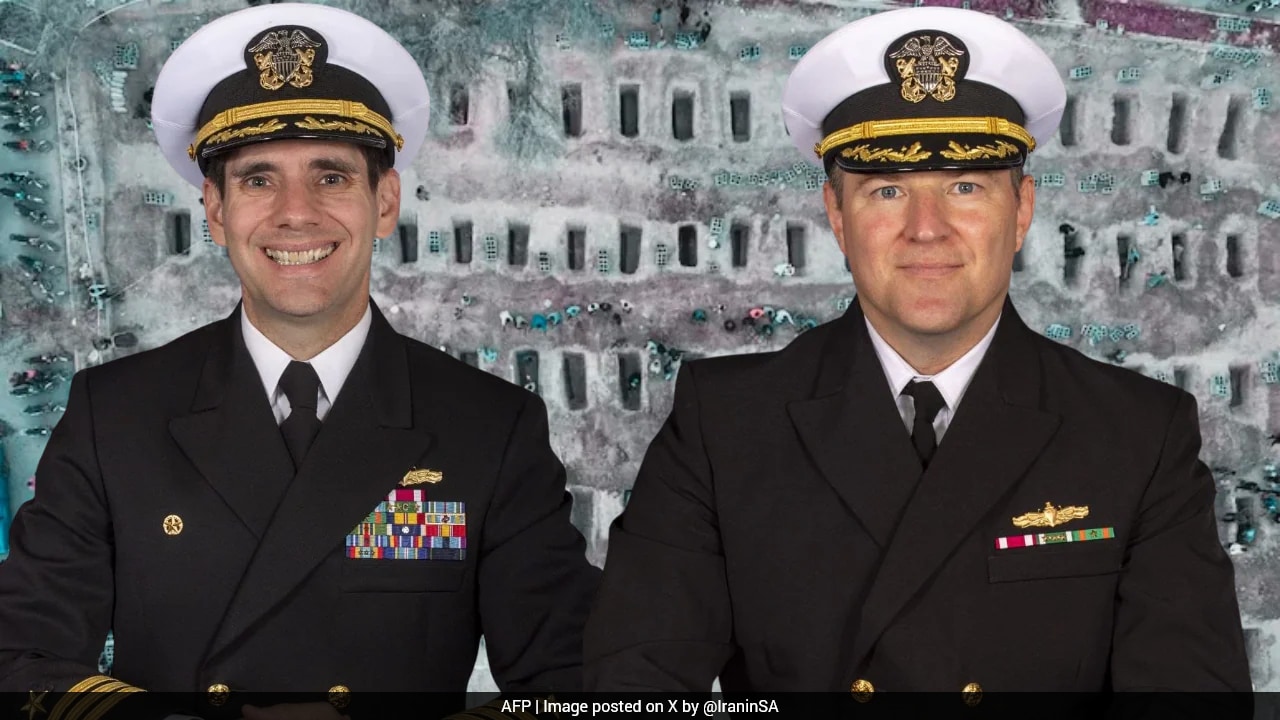
When the Iranian Embassy in South Africa published a four-word warning declaring "We will find you" directed at Commander Leigh R Tate and Lieutenant Commander Jeffrey E York of the USS Spruance, the rules of modern state-on-state conflict shifted. This wasn't addressed to Washington or the Pentagon. It singled out two specific human beings.
If you've been following the US-Iran conflict that ignited in February, you know the stakes are exceptionally high. Yet most mainstream coverage misses the mechanics of how these retaliatory threats actually affect military operations and domestic security inside the United States.
The Anatomy of the Minab School Strike
The core of this standoff goes back to February 28, when a missile strike hit the Shajareh Tayyebeh school in Minab. The human toll was devastating. Official reports and local accounts confirmed that over 150 people died, including at least 123 children.
Months later, the diplomatic fallout remains raw. During the NDTV World Summit, Ayatullah Abdul Majid Hakeem Ilahi pointed out a haunting reality: Washington never formally apologized for the incident, and some children's remains were never recovered, leaving families without even a gravesite for closure.
Iran's military and diplomatic apparatus seized on this tragedy to personalize the conflict. By naming Tate and York—accusing them of overseeing Tomahawk missile launches from the USS Spruance—Tehran changed the psychological pressure on mid-level American commanders. You're no longer just fighting an abstract military force; you're operating with a public bounty on your name.
The Washington Response and Security Fallout
The threat against the naval officers didn't happen in a vacuum. It arrived right on the heels of high-level security shifts in the United States. US Treasury Secretary Scott Bessent had to relocate from his Washington-area home to a heavily guarded military base because of persistent, Tehran-linked death threats.
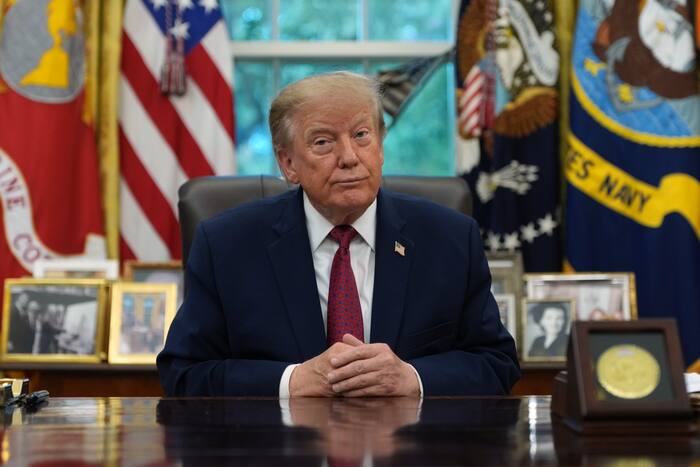
President Donald Trump didn't mince words either, warning Tehran that any assassination attempt against senior American officials would wipe the regime off the map.
This creates a terrifying two-way street of deterrence. On one side, Washington threatens total destruction if a cabinet member or senior official is harmed. On the other side, Iranian state channels publicly target operational commanders months after a strike, keeping the grievance alive and actionable for sleeper networks or sympathizers abroad.
The Human Element Versus the Machine
One of the most compelling revelations surrounding the Minab attack came from a former CIA director speaking at the same global summit. He dismantled the narrative that an autonomous artificial intelligence "kill chain" made the tragic targeting decision alone.
While AI is used extensively for rapid targeting data, a human being pulled the final trigger.
That distinction matters immensely. When responsibility is shifted to algorithms, accountability dissolves. But when a former intelligence chief confirms human judgment drove the strike, it provides adversaries like Iran a specific human target to blame, prosecute in their own rhetoric, and ultimately hunt.
Technology doesn't possess a name or a face. Commanders do. And that reality turns every deployment into an enduring security risk long after the warship returns to port.
What Happens Next in the Gulf
The standoff won't cool down easily. Tehran's demand for accountability meets a brick wall in Washington, where admitting operational culpability or apologizing for wartime civilian casualties is treated as an unacceptable legal and political liability.
Meanwhile, high-ranking officials in the US are living behind concrete barriers and military checkpoints. Security protocols for mid-level commanders named by foreign states have fundamentally changed. You can't just walk down the street in a uniform anymore without looking over your shoulder.
The messaging from Iran is clear: time doesn't erase operational memory. As long as the diplomatic channels remain frozen and the rhetoric stays sharp, naval officers serving on vessels like the USS Spruance carry a heavy, permanent shadow home with them.