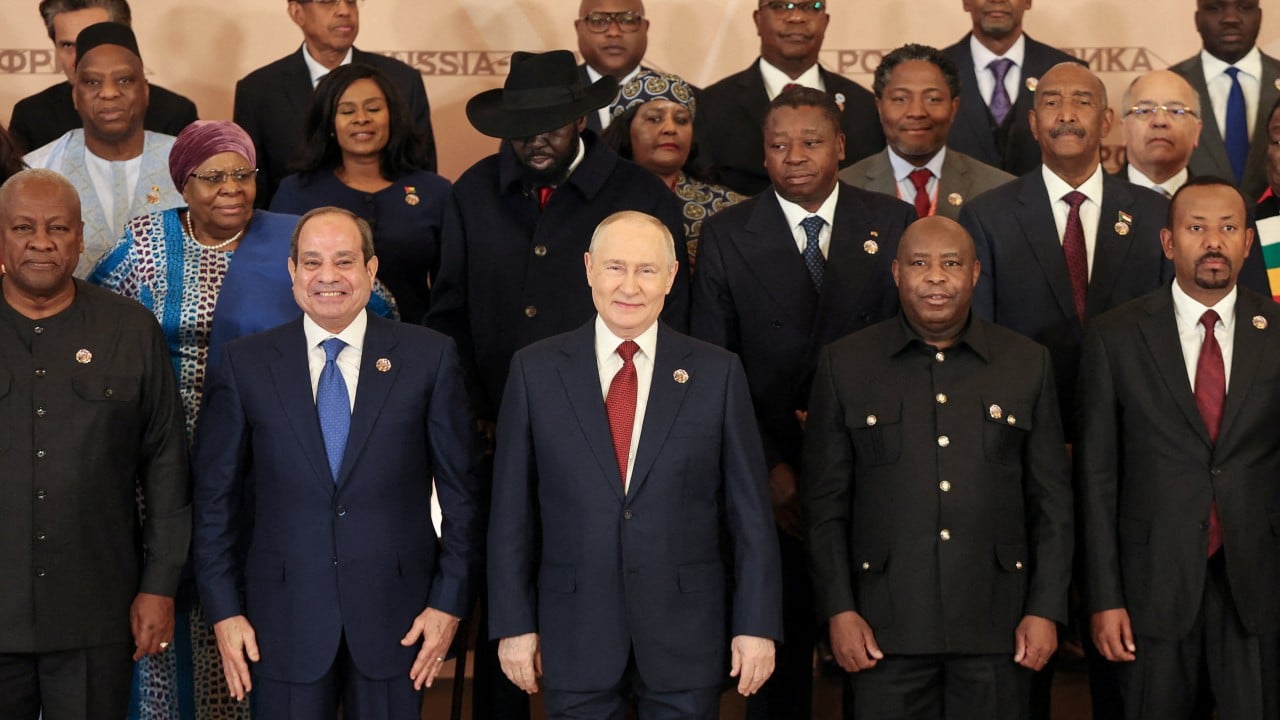
Foreign policy shifts rarely happen overnight, but the ground beneath Europe's traditional footprint in Africa has completely cracked. According to the African Youth Survey data, Russia has climbed past France in perceived influence and popularity among young Africans. Moscow now sits comfortably ahead of Paris, though Beijing still maintains the top spot overall.
If you look past the diplomatic handshakes at international summits, this shift tells a brutal story about post-colonial fatigue. Young Africans aren't just changing who they like; they're rewriting the rules of international engagement entirely.
The Numbers Behind the Shift
Data doesn't lie, even when politicians wish it did. Recent survey metrics show that 54% of young Africans now view Russia as influential, marking a sharp jump from 44% in previous cycles. More importantly, 83% of those who recognize Moscow's footprint view it positively, and 86% label Russia an ally.
France, meanwhile, continues a steep downward trajectory. Decades of military entanglements, heavy-handed economic controls through the CFA franc, and tone-deaf diplomatic messaging have cratered Paris's standing.
You see this dynamic most clearly in the Sahel. In countries like Burkina Faso, recognition of Russian influence spikes as high as 95%. People are tired of the old guard. They want alternatives, and Moscow stepped into the vacuum left by retreating French forces.
Why China Still Wears the Crown
Russia might be grabbing the headlines by overtaking European rivals, but China remains the heavyweight champion of African youth appeal. Beijing didn't achieve this by accident. It happened through decades of concrete infrastructure projects, roads, rails, and digital networks that change daily life.
Young Africans care about jobs, connectivity, and economic mobility. China delivers physical proof of partnership. When a port or a highway opens in your city, you remember who paid for it. Russia offers security pacts and political alignment, but China builds the physical foundation of modern commerce.
That distinction matters. Moscow wins on political sentiment and anti-establishment alignment, but Beijing wins on sheer economic gravity.
The Trap of Over-Simplifying Popularity
Western media often frames this shift as simple brainwashing or effective Kremlin propaganda. That perspective is arrogant and factually lazy. It ignores why local populations feel so alienated by Western foreign policy.
When young people in Johannesburg, Brazzaville, or Ouagadougou look at Europe and the United States, they often see double standards, lectures on governance, and transactional resource extraction disguised as aid. Russia's appeal stems largely from its positioning as an unbothered, non-judgmental partner. Moscow doesn't condition its security cooperation or diplomatic support on internal political reforms or human rights lectures.
Yet, approval doesn't mean a blank check. The same survey data reveals a sharp paradox: around 80% of young Africans express deep concern about foreign powers exploiting their national resources, up from 72% previously.
What Comes Next for Global Powers
Africa holds the youngest population on earth. The geopolitical alignment of this generation will shape global trade, United Nations voting blocs, and resource security for the next fifty years.
France is struggling to find a relevant post-colonial identity. Russia is cashing in on fierce anti-French sentiment and security desperation in West Africa. China is quietly cementing long-term economic dominance through trade and infrastructure.
If Western capitals want to reverse this slide, they need to stop lecturing and start listening. Paternalism is dead. The youth of Africa know exactly what they want, and they're willing to look East and North to find partners who treat them as equals.