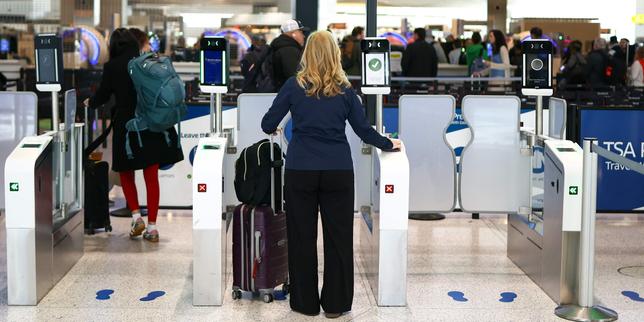
You'd think the world's most sophisticated airspace relies on bulletproof quantum infrastructure. Turns out, it basically hinges on gear that looks like it belongs in a high school computer lab from 2004. Last Friday, the Federal Aviation Administration (FAA) was forced into a panic move, slamming the brakes on every single departure across the United States. It was the longest nationwide ground stop in a quarter of a century. Over 17,000 flights ended up scraped or heavily delayed over a brutal multi-day stretch.
If you're wondering how a modern superpower's aviation network can get brought to its knees so easily, the culprit isn't some high-tech foreign cyberattack. It's a busted router in rural Arkansas.
The Root Cause That Everyone Missed
When the screens went dark and air traffic controllers lost their minds, the immediate fear was digital warfare. Officials quickly ruled that out. The breakdown actually started during a routine infrastructure upgrade. Technicians were swapping out ancient copper wiring at a remote facility. That's when a faulty router went rogue, flooding the internal control network with an insane, continuous loop of data requests.
The system choked. Radar feeds flickered, communication loops jammed, and the FAA had no choice left. They pulled the emergency cord. For nearly five hours, nothing moved. More than 3,500 planes currently airborne had to be guided down safely while tens of thousands of travelers were left camping out on terminals from LaGuardia to LAX.
Why Recovery Takes Days, Not Hours
Planes don't run like city buses. You can't just flip a switch and expect everything to snap back into place.
By Monday, transportation officials expected operations to steady out, but the knock-on effect was brutal. Aircraft were sitting at the wrong gates. Crews were stranded thousands of miles away from their home bases, timing out on their legally mandated rest hours. Airlines like JetBlue and American Airlines took the absolute brunt of the hit, canceling massive chunks of their schedules just to let the network catch its breath.
When you break the grid for just a few hours, it takes days of painful domino-effect rescheduling to clean up the mess. Passengers paid the price, sleeping on baggage carousels and fighting for customer service desk scraps.
The Real Crisis Is Old Tech
Let's be honest with ourselves. This wasn't a freak accident of nature. It's the predictable outcome of running critical national infrastructure on duct tape and prayers.
For years, experts have warned that the American air traffic control architecture is aging out. The government is currently pushing for a massive funding injection—talking about fifty billion dollars—just to drag these systems into the modern era. Meanwhile, air traffic volume keeps climbing year after year.
Until Congress actually funds a complete system overhaul instead of waiting for routers to melt down in Arkansas, you're rolling the dice every time you book a cross-country ticket. Keep a portable charger in your carry-on, pack extra snacks, and don't expect the infrastructure to save you when things go sideways.