Two high-speed trains shouldn't crash into each other on one of Europe's most advanced networks. Yet, in the central province of Toledo, that's exactly what happened. At least 68 people are dead, and a country is left asking how its infrastructure failed twice in a single year.
Prime Minister Pedro Sánchez called the disaster unacceptable. He's right. When you pride yourself on running one of the largest high-speed rail systems in the world, a body count like this shatters public trust overnight.
What Actually Happened Near Toledo
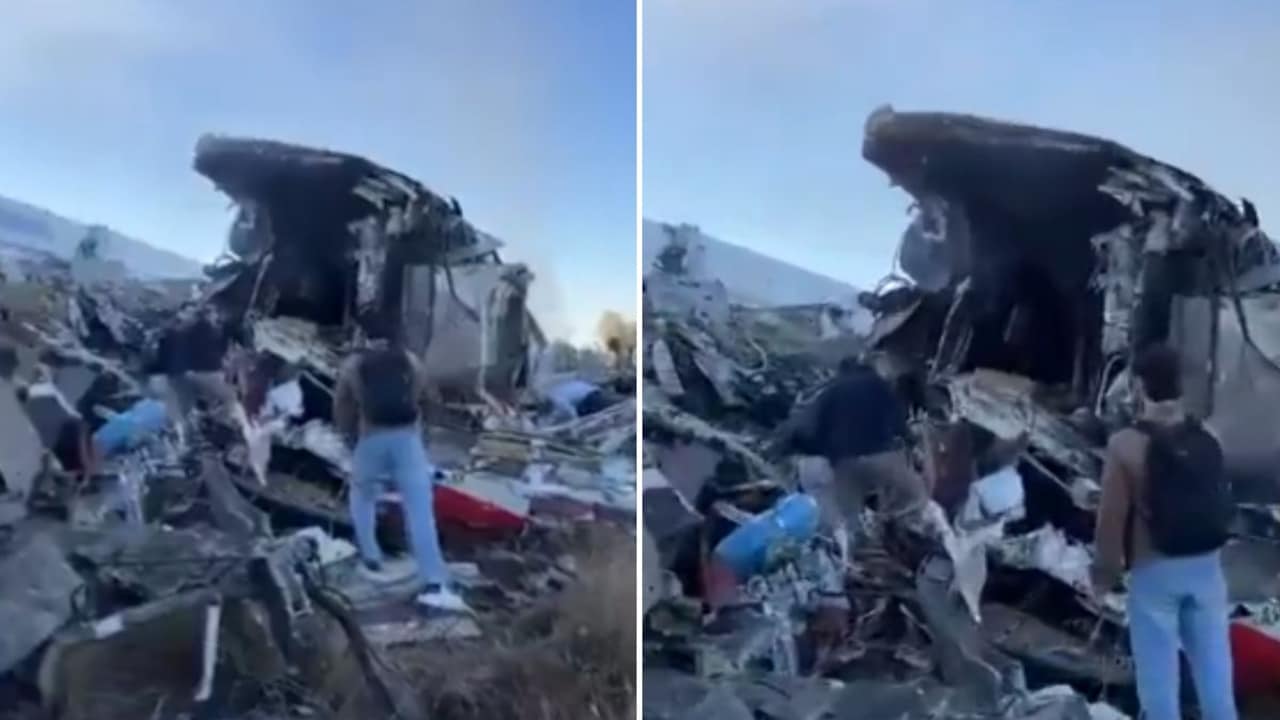
The disaster unfolded when an AVE high-speed train and an Iryo train collided near Urda in the province of Toledo. Initial reports and transport officials point toward a catastrophic mix of signal failure and manual override errors.
A maintenance worker was reportedly fixing a glitch in the main signaling infrastructure. According to preliminary findings, that worker failed to properly alert oncoming drivers that the tracks were compromised. The Renfe train traveled roughly 25 kilometers (16 miles) under manual instructions or confused signals before slamming into the path of the oncoming Iryo service.
The impact tore through carriages, suspended vital rail lines connecting Madrid to Andalusia and Ciudad Real, and turned an ordinary Wednesday morning into a national tragedy. Emergency response teams rushed to the wreckage, but the sheer force of the collision left little room for quick rescue operations.
A Year Of Rail Disasters
This isn't an isolated nightmare. Back in January, a derailment and subsequent collision in Adamuz claimed 45 lives. That accident was already the deadliest Spain had seen since the horrific 2013 Santiago de Compostela derailment that killed 80 people.
To suffer one major crash is tragic. To suffer two catastrophic high-speed rail disasters in less than ten months points to systemic vulnerabilities. Commuters who rely on these lines daily are now questioning whether speed has been prioritized over structural redundancy.
Transport Minister Óscar Puente and local officials faced immediate backlash as details emerged about the signaling faults. Automated safety systems are supposed to prevent human miscommunication from ending in mass casualties. If a single maintenance oversight can allow a train to run blind for 16 miles into active traffic, the safety architecture has severe blind spots.
The Political And Economic Fallout
Sánchez traveled directly to the command center in Toledo to address the nation, promising an unfiltered, thorough investigation. Political parties across the spectrum suspended public campaigns and agendas. Spain is in mourning, but political unity won't fix the underlying panic in the transport sector.
International reactions are also rolling in. European Union officials stated they are monitoring the situation closely, though it remains early to draw final conclusions on European rail safety compliance. For Spain's tourism and domestic economy, the suspension of the Madrid-Andalusia corridor creates massive logistical bottlenecks.
Fixing A Broken System
Rebuilding confidence won't happen through press conferences. The Spanish government has vowed to pour resources into upgrading safety protocols, but commuters need tangible proof.
The investigation must answer hard questions. Why did the backup safety systems fail to halt the Renfe train? How did a manual signaling workaround lack a failsafe verification step? Until these answers lead to real structural reforms, every passenger boarding a high-speed train in Madrid will look out the window with lingering anxiety.
Take a close look at how transport networks manage human intervention points. When safety relies entirely on a single person making the right call during a glitch, the system is already broken.