In the spring of 1974, an aristocrat and cattle rancher named Andrés Bores Saavedra imported roughly 4,400 pounds of American red crayfish from Louisiana straight into the marshlands of southern Spain. The pitch sounded smart on paper. Boost the rural economy of Andalusia, create a thriving aquaculture sector, and introduce a profitable new delicacy. Fifty years later, that single shipment has turned into the most destructive biological invasion in the country's history. You cannot remove them. Complete eradication is a technical impossibility.
Why the Red Swamp Crayfish Outsmarted Everyone
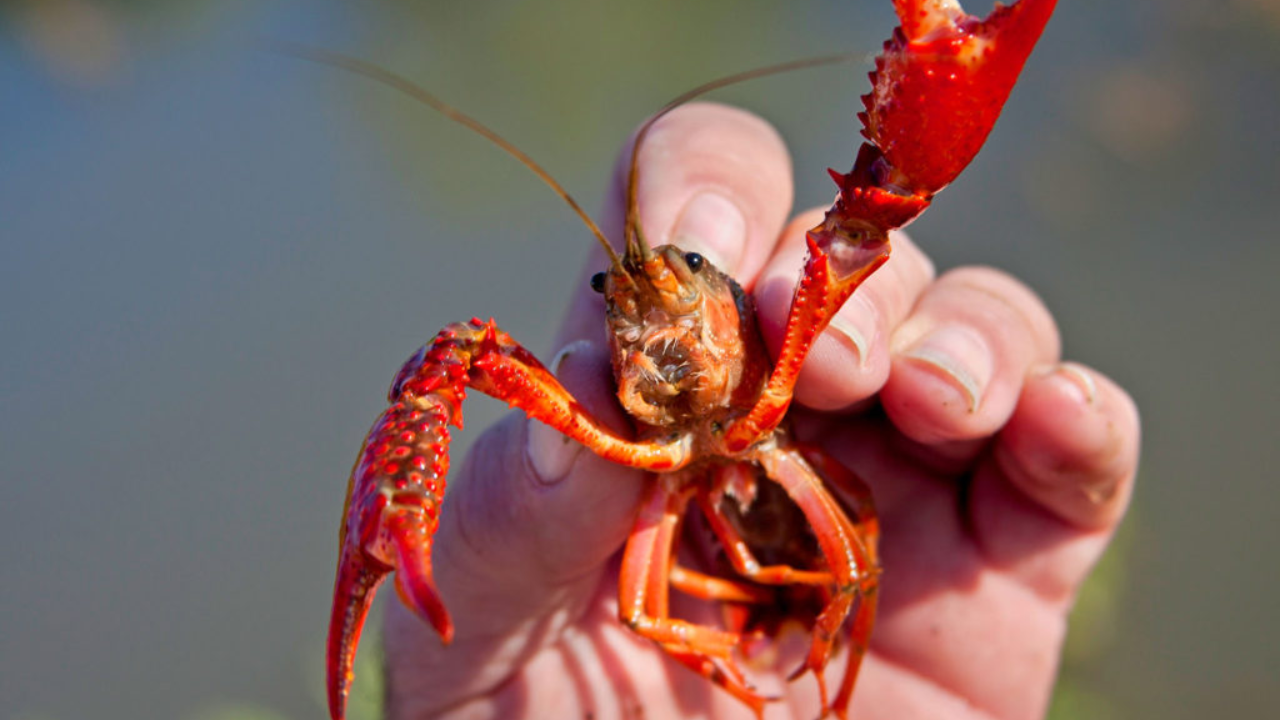
The red swamp crayfish, scientifically known as Procambarus clarkii, isn't your average crustacean. It adapts, survives, and conquers. When Bores placed them into controlled aquaculture ponds near La Puebla del Río, he underestimated the animal's physical toolkit. If you enjoyed this article, you might want to look at: this related article.
These creatures can walk across dry land. They dig subterranean tunnels deeper than three feet. They survive prolonged droughts by sealing themselves inside mud burrows and dropping their metabolic activity to a crawl for months.
Seasonal floods across the Guadalquivir River basin did the rest. High waters carried them straight into nearby irrigation networks, rice paddies, and the fragile wetlands of Doñana National Park. Females pump out up to 500 eggs per brood. Combine that reproductive output with a total absence of native predators, and you get an unstoppable biological wave. For another look on this event, refer to the latest coverage from Reuters.
Ecological Wreckage in the Guadalquivir Basin
The local wildlife paid an immediate price. The imported crayfish carried a water mold called Aphanomyces astaci, which causes the lethal crayfish plague. The American invaders were largely immune, but the native white-clawed crayfish (Austropotamobius pallipes) stood no chance. They vanished from the basin almost entirely.
As aggressive omnivores, the red swamp crayfish scraped lakebeds clean of underwater vegetation. Indigenous fish, water beetles, dragonflies, and amphibians lost their shelter and food overnight. By constantly churning up sediment while feeding, the crustaceans turned crystal-clear lagoons into murky, lifeless soup. Sunlight couldn't reach submerged plants, photosynthesis stopped, and toxic microalgae blooms took over.
Rice farmers faced a nightmare too. The burrowing animals weakened the structural integrity of irrigation levees, draining flooded fields and severing young crop stalks.
The Twisted Economic Compromise
You'd expect a total war of extermination against a pest this harmful. Instead, economics forced an uneasy truce.
What started as an ecological disaster turned into the financial lifeblood of towns like Isla Mayor in the province of Seville. The region evolved into Europe's primary hub for harvesting and processing red swamp crayfish. Thousands of local families rely on the industry for their livelihoods.
When Spain's Supreme Court tried to ban commercial sales and the possession of live specimens under the Catalog of Invasive Alien Species in 2016, the backlash was fierce. Local communities faced potential economic collapse. Lawmakers blinked, amending the country's Natural Heritage Law to permit continued harvesting under strict sanitary rules. Live animals must be processed immediately upon capture to prevent further spread.
An Unwanted Member of the Food Web
Nature itself adapted to the invasion. Ironically, the crayfish became a critical calorie source for struggling local predators during severe droughts.
Endangered species like the Iberian lynx and the Eurasian otter, alongside birds like the Eurasian spoonbill, grey heron, and Spanish imperial eagle, started heavily preying on the invaders. Removing the crayfish entirely today would starve these apex predators, triggering a secondary wave of ecological collapse.
The lesson is harsh. Once an invasive species breaches open ecosystems with conditions matching its native habitat, you lose the option of a clean slate. Spain didn't just import two tons of crayfish in 1974; they permanently rewrote the ecological and economic future of Andalusia.
Stop looking for a permanent fix because eradication is off the table. The focus has shifted entirely to management, containment, and keeping the harvest alive.