Geopolitical high-stakes chess is playing out across Southeast Asia right now. When diplomatic heavyweights descend on major regional summits, neighboring nations don't just show up for handshakes. They scramble for international validation, weaponizing diplomatic optics to secure the upper hand in stubborn territorial and political disputes.
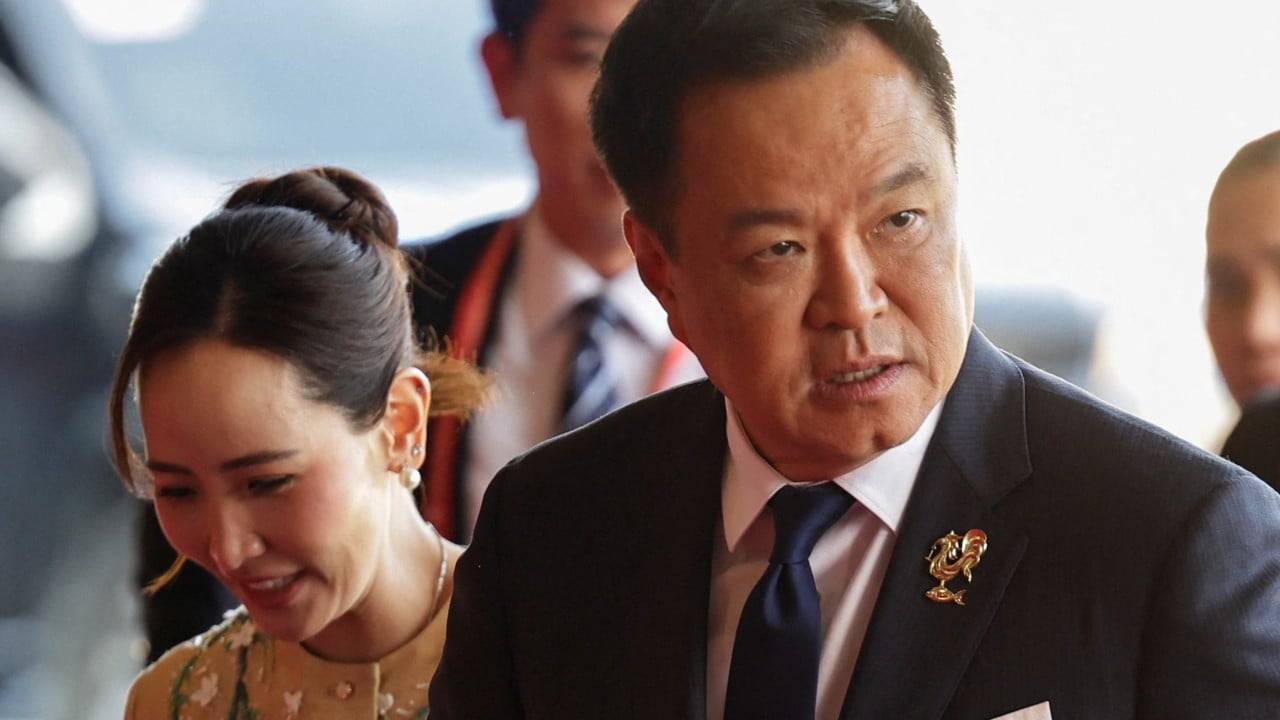
If you look closely at how modern diplomacy works in Southeast Asia, it is all about narrative control. Both Bangkok and Phnom Penh know that whoever commands the room during high-profile presidential visits wins crucial leverage. They aren't just trying to look cooperative for the cameras; they are actively seeking external heavyweight backing to legitimize their respective territorial stances.
The High Stakes of Summit Diplomacy
Why does global backing matter so much for countries like Thailand and Cambodia? Domestic political survival often relies on projecting strength abroad. When regional leaders meet, the sidelines become the main arena. Every bilateral handshake and photo opportunity is calculated to signal strength to domestic constituents and deter military escalation across contested borders.
Historically, border disputes in the region trigger nationalist fervor. Governments find themselves boxed in by public expectations. If you show weakness, you lose domestic political capital. That is why both sides push so hard to court external mediators or powerful global figures, hoping an endorsement will lock in their strategic gains.
Why Traditional Alliances are Shifting
For years, smaller nations in the bloc relied heavily on consensus-driven diplomacy. But recent economic headwinds and aggressive trade policy shifts from Washington have changed the math. Leaders across the region are no longer willing to put all their diplomatic eggs in one basket. They are diversifying partnerships, cutting bilateral trade deals with secondary powers, and hedging their bets against major power friction.
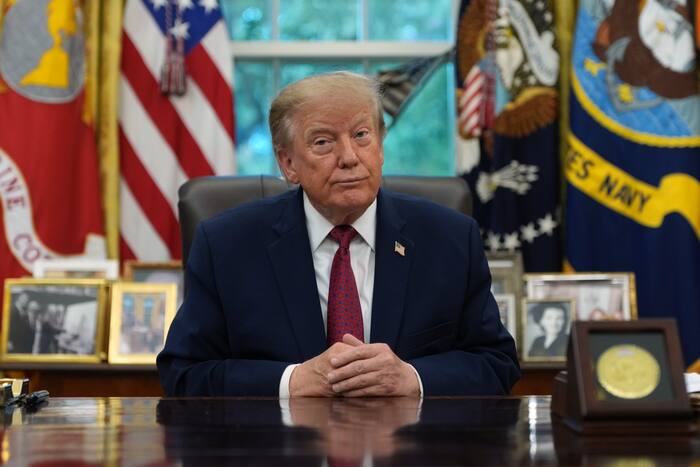
When a superpower leader flies in, local actors seize the microphone. They want security guarantees, trade concessions, and—most importantly—global recognition that their diplomatic posture is the correct one.
What Actually Happens Behind Closed Doors
Public communiqués at these summits always sound polished and harmonious. You will read about mutual cooperation, peace pacts, and regional stability. Don't let the smooth corporate prose fool you. Behind closed doors, intense arm-wrestling takes place over military posturing, ceasefire verifications, and resource-sharing rights.
Military officials from both sides face immense pressure to keep frontline troops in check while diplomats spin the narrative to international media. A single misstep on the ground can unravel months of tense negotiations, forcing leaders back into crisis management mode before the summit even ends.
To break this cycle of tactical posturing, regional bodies need enforceable monitoring mechanisms rather than fragile photo-op agreements. True stability won't come from external leaders signing documents for the cameras. It requires genuine, sustained bilateral trust built away from the global spotlight.
Monitor regional military movements independently through verified international observer missions rather than relying on state-run media releases. Track bilateral trade agreements signed on the summit sidelines to see which nations are genuinely shifting their economic dependencies.