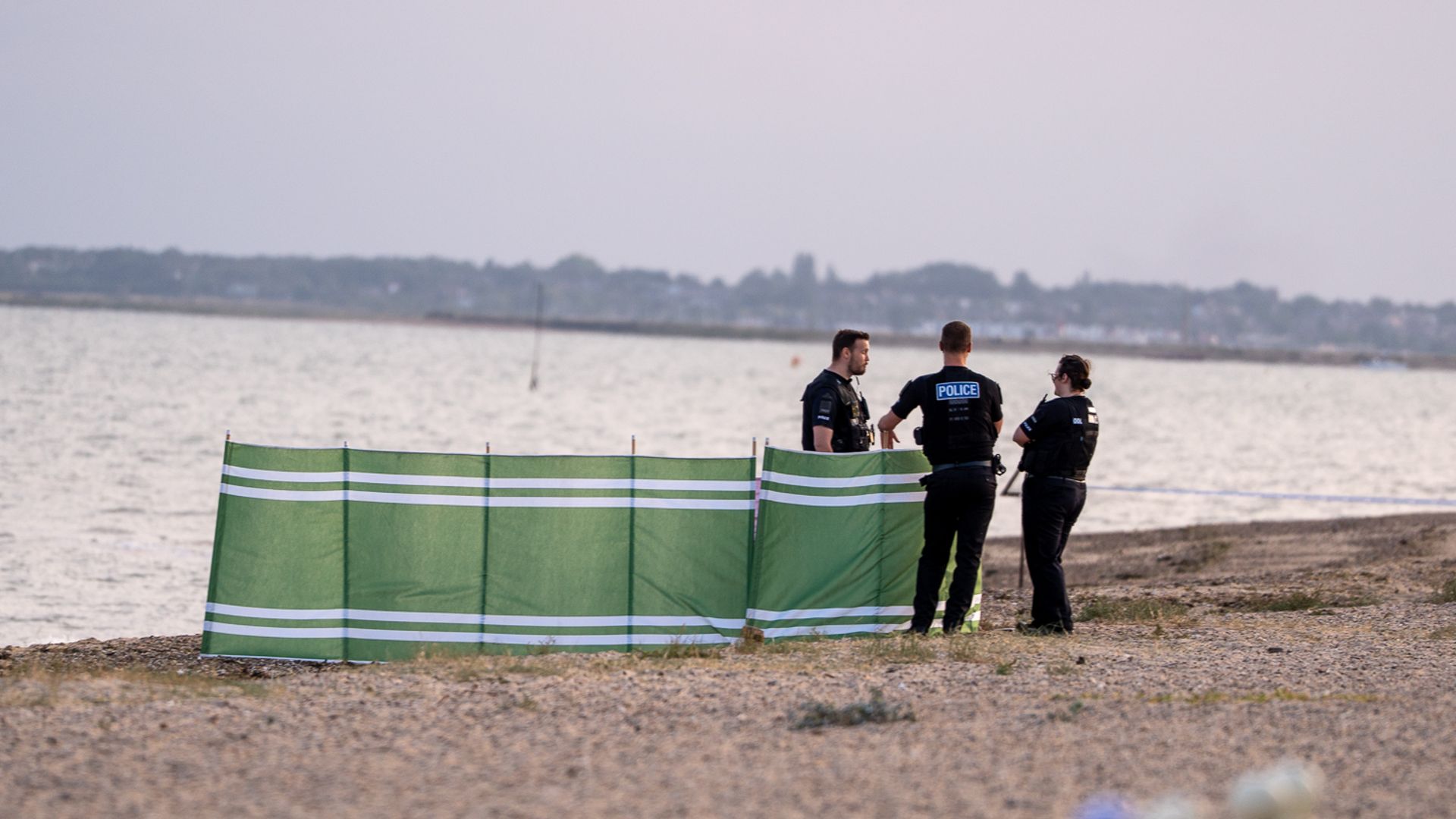
A Devastating Evening on the Essex Coast
A quiet summer evening turned into absolute heartbreak on Wednesday, July 22, 2026. Emergency services rushed to the water near Seaview Avenue in West Mersea, Essex, after getting desperate calls at around 5.35pm about multiple people struggling in the tide.
Rescuers flooded the beach on Mersea Island within minutes. Coastguard crews, RNLI lifeboats from West Mersea and Clacton, critical care paramedics, and two air ambulances tried everything they could. Despite those frantic efforts, a teenage girl and a woman in her 40s died at the scene.
A third person was flown to the hospital in critical condition, while two others were treated for non-life-threatening injuries. Essex Police confirmed that the group knew each other, leaving a single family and local community dealing with an unimaginable loss.
Detectives led by Chief Inspector Al Pitcher are now piecing together exactly what happened. They've asked anyone who was near Sea View Holiday Park or on the beach around 5.30pm to share statements or video footage.
It's a brutal reminder of how quickly open water can turn dangerous, even on a warm July day.
The Unique Hazards Around Mersea Island
Mersea Island sits in the Blackwater and Colne estuaries, an area known for its breathtaking marshlands and beach views. But ask any local mariner, and they'll tell you the waters around here aren't something to take lightly.
The tides along the Essex coastline move with incredible speed. Mersea itself is famous for the Strood, the low-lying causeway connecting the island to mainland Essex, which gets submerged completely during high tides. When that much water shifts into estuaries and narrow tidal channels, it creates powerful undercurrents.
Why Estuary Waters Catch Swimmers Off Guard
Most beachgoers expect big crashing waves to signal danger. Estuary beaches like West Mersea trick people because the surface often looks deceivingly calm.
- Sudden Drop-Offs: Mudflats and sandbanks drop away unexpectedly, plunging waders into deep water within a single step.
- Strong Tidal Sweep: Estuary currents don't just push you toward the shoreline. They pull sideways and out toward open sea at speeds faster than an Olympic swimmer can paddle.
- Cold Water Shock: Even during a July heatwave, sea temperatures around the UK rarely exceed 15°C to 17°C. Entering cold water suddenly triggers an involuntary gasp, spiking your heart rate and making breathing nearly impossible to control.
When multiple people get into trouble at once, a dangerous chain reaction usually takes over. Someone gets swept off their feet, and family members or friends instinctively rush in to help without floatation devices. Within seconds, multiple swimmers end up overwhelmed.
How the Emergency Services Responded
The response on Wednesday night involved every major search and rescue assets in the region.
The East of England Ambulance Service dispatched its Hazardous Area Response Team (HART) along with land crews and air support. Volunteers from the West Mersea Coastguard Rescue Team and RNLI lifeboat stations launched immediately to pull people from the water.
Local emergency teams expressed deep sorrow over the outcome. Volunteers who live and work on Mersea Island take these tragedies personally. They spend hundreds of hours training specifically for rescue missions in these exact waters, but coastal currents offer very little margin for error.
Spotting Water Distress Before It's Too Late
We've all seen movies where a drowning person splashes wildly and screams for help. Real life almost never looks like that.
Drowning is usually silent. When someone is struggling in the water, instinct takes over their body. Their instinctual response forces their arm movements laterally to push down on the water, trying to lift their mouth clear. They can't wave for help, and they rarely have enough breath left to shout.
If you see someone in the water who is upright, head low, eyes glassy or closed, and not making forward progress, they aren't playing around. They're drowning.
Critical Steps Every Coastal Visitor Must Take
No one heads to the beach expecting a nightmare, but taking basic precautions saves lives every summer.
Know the Tides Before Setting Foot in the Water
Check the local tide tables for West Mersea or whichever beach you visit. Tide times shift daily, and incoming tides can cut off sandbars faster than you can walk back to dry land.
Keep Floatation Nearby
If you're going into estuary or sea waters, carry a tow float or keep a throw line or ring nearby on the beach. If someone gets into difficulty, throw them something that floats. Entering the water to rescue someone without a board or floatation device frequently results in multiple casualties.
Floating to Survive
If you fall in or get caught in a rip current, don't waste your energy fighting the water. Flip onto your back, tilt your head back with ears submerged, and stretch out your arms and legs. Float until the initial cold water shock passes and you regain control of your breathing. Once calm, call for help or swim parallel to the shore to get clear of the current.
Call 999 Immediately
If you see anyone struggling in coastal waters in the UK, call 999 right away and ask for the Coastguard. Never assume someone else has already made the call.
The loss of life off West Mersea is a heartbreaking tragedy. As Essex Police continue their investigation, those visiting Britain's coastline this summer need to treat the water with respect and keep safety front of mind every single time they visit the beach.