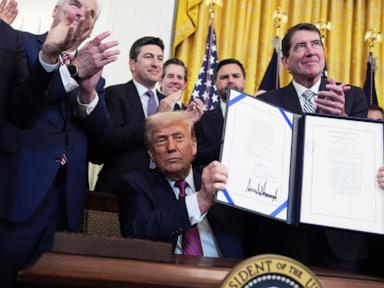
The era of back-channel diplomacy appears to be crashing into a wall. President Trump just signaled a shift toward what he calls an "economic D-Day" against Iran, effectively ending the quiet wait-and-see period that followed the June ceasefire. If you've been watching the markets, you know the stakes. We are looking at a potential move toward total economic isolation, and the ripple effects won't just hit Tehran. They’ll be felt in every major capital from Beijing to Brussels.
Basically, the administration is moving past the limits of conventional military strikes. Pentagon planners have reportedly told the White House that the list of viable military targets in Iran is nearly exhausted. When bombs don't force a regime to the table, the default setting is always the treasury. In other updates, take a look at: Why France Is Trapped In A Debt Doom Loop And What It Means For Europe.
The logic behind the new sanctions
The White House is framing this as an unprecedented campaign to plug the "lifelines" still sustaining the Iranian state. We aren't just talking about standard trade bans. The latest rhetoric targets the entire architecture of Iran’s survival: currency swap lines, front companies, and the very shipping registries that allow tankers to move oil under the radar.
You need to understand why this is happening now. The Islamabad Memorandum of Understanding, which provided a 60-day window for negotiations and a temporary easing of oil sanctions, was set to expire just as these threats were issued. The administration isn't just threatening new rules; they are signaling that the period of limited license—known as General License X—is effectively over. The Economist has provided coverage on this critical topic in extensive detail.
Who gets caught in the crossfire
This isn't just a two-party conflict. The real tension is with China. Data shows that Beijing has been the primary buyer of Iranian crude, keeping the country’s economy on life support throughout the worst of the 2026 war. When Trump talks about "tremendous economic consequences" for countries providing a "lifeline," he’s speaking directly to Chinese financial institutions.
If Washington follows through, we could see:
- Secondary sanctions targeting major Chinese banks that handle Iranian oil payments.
- Increased scrutiny on airports and logistics hubs that facilitate Iranian trade.
- A forced decoupling of energy markets that could lead to another spike in global fuel prices.
It’s a risky move. Pushing China into a corner over Iranian oil could ignite a trade confrontation that dwarfs the current regional conflict.
The limits of the squeeze
I’ve followed these sanctions cycles for years, and here is the reality people miss. Iran has spent decades building a shadow economy. They aren't a novice player. They use a complex web of intermediaries and maritime ghost networks to bypass the standard international financial system.
Adding more layers of sanctions can certainly increase the cost of doing business. It can drive inflation even higher—which, let’s be honest, is already hovering at brutal levels for the average Iranian household—but it rarely leads to quick political capitulation. You’re essentially squeezing an economy that has been running on fumes for months.
What to watch next
The rhetoric is currently high, but the implementation is where the real story happens. Look for official guidance from the Treasury Department's Office of Foreign Assets Control in the coming days. They will be the ones defining the specific "consequences" for those caught in the trade net.
If you are involved in global logistics or energy commodities, you shouldn't wait for the official hammer to drop. Assume that any transaction remotely linked to the Iranian petroleum sector is now high-risk. Compliance departments are likely already flagging anything that touches the "Operation Economic Fury" scope.
The strategy is clear. The administration is gambling that the cost of resisting will finally outweigh the benefits for the Iranian leadership. Whether that math holds up in a global market that is already reeling from months of disruption remains to be seen. Keep an eye on the official White House Press Releases for the actual executive orders, rather than relying on social media declarations. This situation is evolving by the hour. Don't expect a resolution until the economic pain hits a ceiling that even the most hardened regime can't ignore.