Threatening a "tremendous tax" on U.S. tech companies that build AI data centers abroad sounds tough on paper, yet it collides straight into physics, market realities, and the U.S. Constitution.
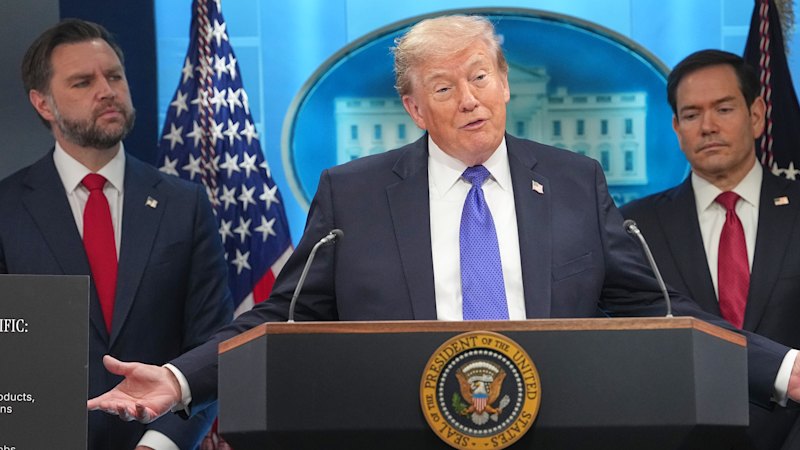
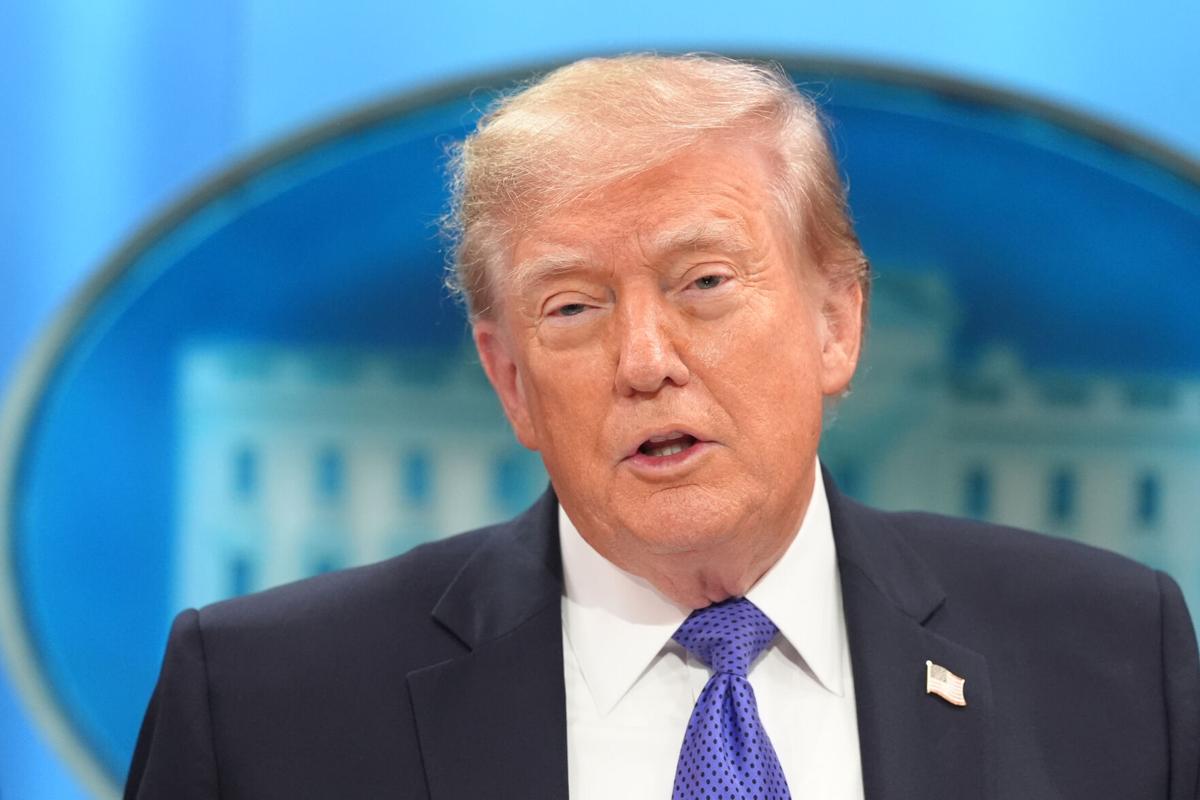
President Donald Trump made the vow during a White House news conference on November 20, 2026, right after returning from his trip to Asia and the APEC summit. He warned that American firms building data centers outside the country face steep penalties or an outright block, pointing specifically to Finland and arguing that overseas projects risk letting China capture AI compute. Trump even admitted he hadn't briefed his own staff on the idea before speaking.
Markets didn't wait for a policy memo. Tech stocks slid on Friday as investors weighed the threat alongside a broader AI pullback, with shares of Nvidia, Oracle, Meta, Amazon, and Microsoft all dropping on the day.
Why Overseas AI Data Centers Exist in the First Place
If you've ever worked on distributed systems or global cloud rollouts, you know data centers aren't put overseas just to dodge domestic rules. Latency is real. A payment request or real-time voice model routed across an ocean adds round-trip delay that users feel immediately.
Bandwidth costs add up fast too. Moving massive training datasets or inference traffic between continents gets expensive and congested when you try to centralize everything in North America.
Then there's power and cooling. AI server racks draw staggering amounts of electricity, and cold climates like the Nordics offer natural cooling advantages alongside abundant clean energy. When Trump singled out Finland, he was pointing at a real multi-billion-dollar bet—Google announced roughly €13 billion (about $15 billion) in Finnish data center and AI infrastructure investments back in September—not some shadowy backdoor to Beijing.
Closing the China Chip Loophole Without Breaking Global Cloud
The real national-security worry behind the rhetoric is compute access, not geography for its own sake. Earlier in the week, the Commerce Department moved to tighten rules on foreign data centers renting heavy computing power built on U.S. chips to Chinese companies, building on existing export controls and remote-access restrictions.
Honestly, licensing and compute-rental rules target the actual leak. A blanket tax on every overseas build treats an ally like Finland the same way it treats a high-risk transit hub. Worse, if U.S. cloud providers pull back abroad, European, Middle Eastern, or Asian operators will gladly fill the gap—potentially with non-U.S. hardware or looser security oversight.
The Legal and Political Walls at Home
Even if the White House wants to stop foreign builds overnight, turning a press-conference warning into law is another story. Under the U.S. Constitution, Congress holds the power to levy federal taxes. No executive order or written tax framework had been released when the remarks hit the wires.
Meanwhile, domestic politics are messy. Voters in several U.S. communities have pushed back hard against massive data centers because of higher electricity bills, grid strain, and water use. Pushing companies into states like Texas, California, or West Virginia sounds simple until local utilities, zoning boards, and ratepayers start asking who pays for new transmission lines and power generation.
What Tech Leaders and Policymakers Should Do Next
- Audit global capex exposure now: If you run infrastructure or advise cloud, colocation, or AI hardware firms, map out every active international build—especially in Europe and Asia—and check whether contracts have regulatory or tariff adjustment clauses.
- Separate ally infrastructure from export enforcement: Policymakers who actually want to curb Chinese compute access should focus on verifiable compute-rental licensing and chip controls with allied governments rather than slapping broad taxes on overseas builds.
- Price in real domestic grid costs: Anyone planning U.S. capacity needs to model local power tariffs, interconnection queues, and community pushback early—because "build it at home" won't move fast if the grid can't feed it.