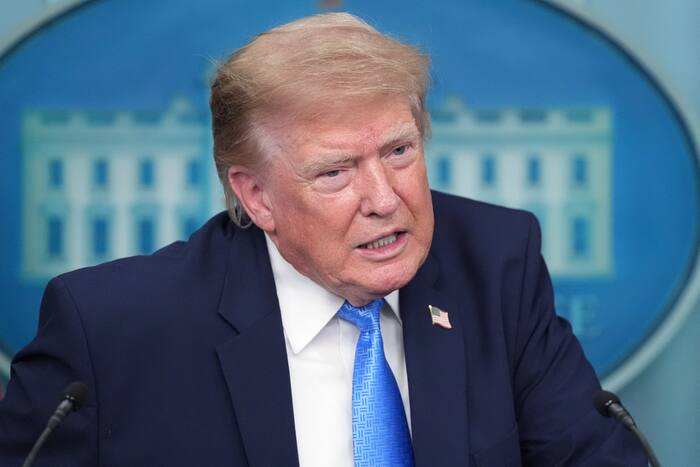
President Donald Trump made it crystal clear ahead of high-stakes talks in Shenzhen that Washington isn't asking Beijing or Moscow for a rescue in the war with Iran. Speaking to Fox News on November 19, 2026, Trump claimed American forces have already crippled Iran's military, knocked out its navy, air force, and air defenses, and pushed Tehran's remaining missile stockpile down to roughly 12 or 13 percent of its former size.
If you're trying to figure out what those remarks actually mean for the conflict, oil markets, and power politics in Asia, don't stop at the soundbites. A bravado-heavy headline is easy to read in ten seconds. Understanding the real leverage at play takes a lot more digging.
Right now, Trump's message rests on two big assertions: first, that U.S. military pressure and a naval blockade have already forced Iran toward a deal; second, that neither Xi Jinping nor Vladimir Putin holds the key to closing this out on Washington's terms. Coming right around APEC summit meetings in Shenzhen, that stance signals a deliberate refusal to treat Beijing or Moscow as indispensable mediators—even as both powers stay deeply tangled in the region's security and energy picture.
What Trump Claims About Iran's Military and the Strait of Hormuz
In the Fox News interview, Trump laid out a sweeping military scorecard to back up his refusal to seek outside help. He argued that U.S. strikes have defeated Iran's navy, air force, and anti-aircraft network, leaving Tehran's remaining missile force at a fraction of what it once was. He also said the U.S. naval blockade has been Washington's most effective tool so far.
On energy and shipping, Trump went even further. He claimed the United States holds total control over the Strait of Hormuz, asserting that more oil flowed through the waterway over the past week than at any other point in its history and saying oil prices dropped sharply after the recent election.
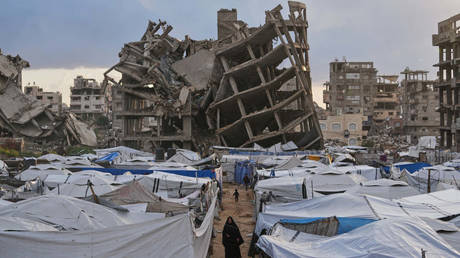
Here's where a smart reader pauses and looks closer. Wartime claims about missile attrition, waterway throughput, and complete military defeat are notoriously hard to verify in real time. Even when forces hit air defenses, naval vessels, and launch sites hard, asymmetric threats—like truck-launched drones, covert plots, and dispersed stockpiles—don't vanish overnight. Reports around mid-November 2026 still pointed to drone attacks, retaliatory warnings, and ongoing strikes, which shows why independent analysts treat battlefield victory claims with heavy skepticism until ground and maritime data back them up.
Why China and Russia Are Complicated Players Rather Than Neutral Helpers
When a U.S. president says "we don't need any help" from China and Russia on Iran, the subtext matters just as much as the words. Neither Beijing nor Moscow has sat on the sidelines as a detached referee during this conflict.
According to the U.S.-China Economic and Security Review Commission and reporting cited by outlets like Reuters and The Washington Post, China has balanced diplomatic mediation and calls for calm with economic and technical ties that have drawn U.S. sanctions—including sanctions targeting Chinese entities, satellite imagery firms, and independent refineries buying Iranian oil. At the same time, Beijing has pushed for talks, moved to protect its energy supply routes, and kept channels open with multiple sides.
Russia has also stayed closely aligned with Tehran diplomatically and strategically, including coordinating with China and Iran on regional messaging and conditions for International Atomic Energy Agency (IAEA) nuclear inspections. Meanwhile, Trump's own comments around the Shenzhen meetings highlighted a sharp tension: he argued that past U.S. policy pushed Russia and China closer together through energy trade, even while insisting he gets along personally with Xi and Putin and doesn't need their assistance to wrap up the Iran fight.
Honestly, that's the real geopolitical chess match here. Asking Beijing or Moscow for help would hand them leverage they haven't earned in Washington's eyes—and might imply U.S. military and economic pressure isn't enough on its own. Turning them down projects strength, yet ignoring their influence over sanctions evasion, energy flows, and diplomatic backchannels carries real risks if talks stall.
Dirty Bombs, Chemical Threats, and What Negotiators Actually Face
One of the sharpest turns in Trump's remarks came when he addressed fears of an Iranian attack, including worries about a dirty bomb in Washington, D.C. He said there are indications Iran is looking at chemical and biological options because nuclear pathways have been blocked, while telling Americans not to panic and vowing a devastating response if any attack occurs.
At the same time, Trump said Washington is still talking with Tehran, dismissed a preliminary understanding reached in Islamabad as a waste of time, and insisted he wants a lasting deal rather than a temporary pause. His pledge to "finish it off" soon leaves both doors open: a tougher settlement backed by continued pressure, or escalated military action if negotiations break down.
Anyone following diplomatic negotiations knows how messy that middle ground gets. Leaders often talk tough in public to strengthen their hand before or during major summits, while quietly testing whether the other side is willing to budge on enforcement, inspections, and regional security guarantees. What looks like a contradiction—saying an enemy is nearly defeated while also warning about unconventional threats and demanding a lasting deal—is pretty common in high-stakes statecraft, though it keeps markets and allies on edge.
Common Misconceptions About This Stand-Off
People tend to read headlines like this in extremes. Let's clear up a few misconceptions that trip up casual readers:
- Saying "no help needed" doesn't mean China and Russia have zero impact. Even if Washington doesn't ask Xi or Putin for mediation, Beijing's energy demand, shipping interests, and diplomatic stance, along with Moscow's alignment with Tehran, still shape the wider environment.
- Claims of military defeat rarely mean the end of all risk. Degrading conventional air defenses, navies, and missile stocks changes the balance of power, yet smaller or asymmetric actions can still disrupt shipping, bases, or diplomacy.
- Public tough talk doesn't automatically rule out backchannel deals. Trump explicitly noted that contact with Tehran has continued, even while criticizing earlier understandings and threatening further action.
How to Track What Happens Next Without Getting Whiplash
If you're watching this story for work, investing, or sheer curiosity, don't let daily cable-news clips steer your judgment. Take these practical steps instead:
- Cross-check battlefield and shipping claims against multiple sources. Compare government statements with maritime tracking, energy market data, and independent defense reporting before treating any single claim about oil flows or weapon stockpiles as settled fact.
- Watch energy prices and insurance or transit signals. Real shifts in Strait of Hormuz risk show up in crude benchmarks, freight rates, and energy supply adjustments faster than in speeches.
- Follow concrete diplomatic milestones, not just summit optics. Look for actual verification terms, inspection agreements, or enforceable ceasefires rather than broad promises of a deal.
- Separate domestic political messaging from regional reality. Leaders speak to domestic audiences, allies, and rivals all at once—so weigh what's aimed at voters or summit partners against hard facts on the ground.