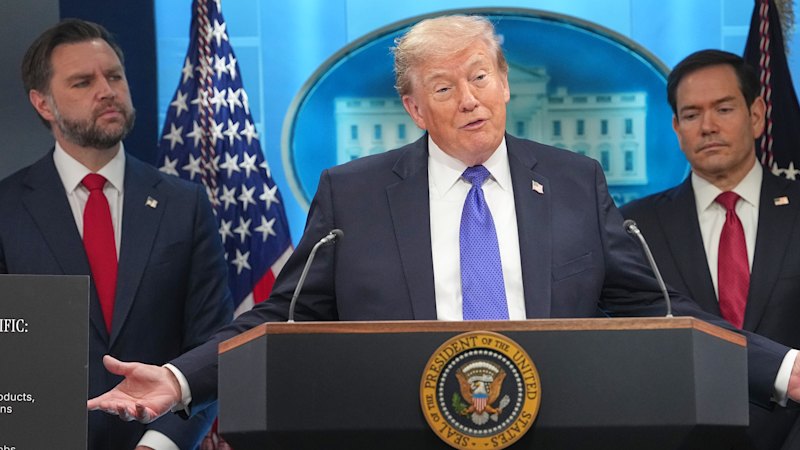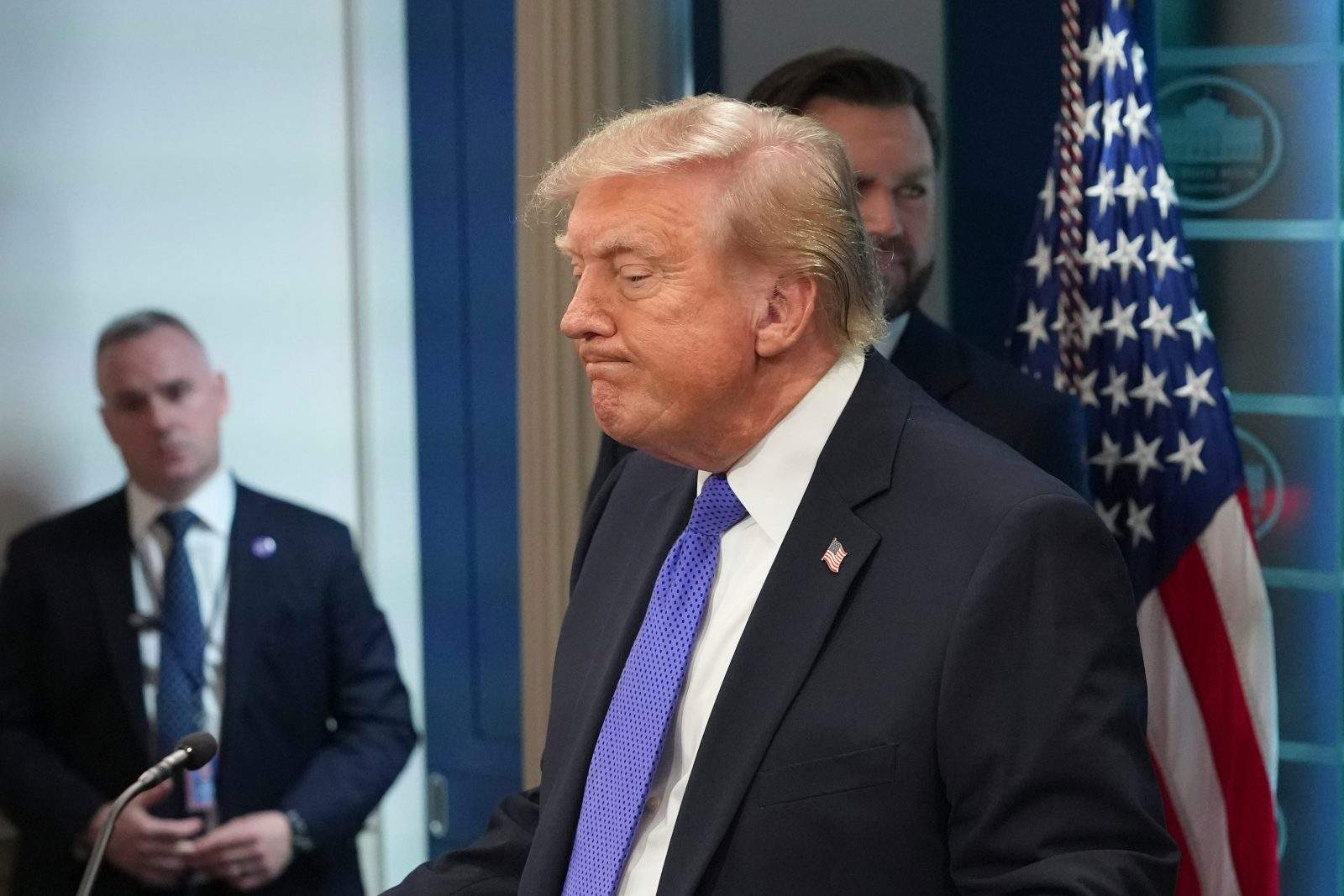
"We're not going to allow our companies to build data centres outside of our country." President Donald Trump dropped that line at a White House news conference on Friday, November 20, 2026, floating a "tremendous tax" on U.S. firms that build AI data centres overseas. His own officials hadn't even been briefed yet.
Honestly, this threat sounds bold on camera. In practice, it collides head-on with physics, local politics, and how cloud computing actually works.
Trump warned that companies trying to erect data centres outside U.S. borders face steep penalties or an outright block, arguing that overseas capacity could end up helping China or letting Beijing grab global compute leads. He pointed specifically to Finland—where Google has faced criticism over roughly €13 billion (about $15 billion) in planned data centre spending—and told U.S. communities to welcome facilities and make developers pay up rather than shutting them out.
Why Data Centre Tax Threats Hit a Wall at Home
Here's the irony nobody on a podium likes to admit. Tech giants don't build data centres abroad just to spite Washington. They go overseas because building at home has gotten brutal.
Power grids in major U.S. hubs are stretched thin. Gigawatt-scale AI campuses need massive electricity and cooling water, and neighbours aren't thrilled when utility bills tick up or local water tables get stressed.
Look at what happened around the November 2026 midterm elections. Voter pushback against power-hungry AI facilities turned into a real political liability. According to Ballotpedia reporting, all six data centre ballot measures decided this year across New Hampshire, Wisconsin, Michigan, and California went against development. In Texas, Governor Greg Abbott even put a pause on new approvals pending an audit of projects after years of rolling out the red carpet.
When a state freezes approvals or voters reject a project at the ballot box, a tax threat from Washington doesn't magically conjure transformer capacity or build a substation overnight.
The China Angle and Chip Rules Don't Tell the Whole Story
Trump framed his warning around keeping AI infrastructure on American soil so China doesn't gain ground. That argument fits right alongside the administration's push earlier in the week to restrict remote access to advanced U.S. chips and servers, as well as licensing rules aimed at limiting how much high-end compute data centres anywhere can supply to firms tied to China, Macau, or embargoed territories.
Still, lumping every overseas data centre into a China threat is a stretch.
Companies like Amazon, Google, Microsoft, Meta, and OpenAI operate abroad for practical reasons that have nothing to do with Beijing. Latency matters when users in Europe or Asia want fast responses. Data-residency laws in other countries often require certain information to stay inside national borders. And cooler climates—like Finland or parts of Canada—can make cooling large server halls much easier than trying to cool them in a scorching summer climate.
Penalizing a facility in Helsinki or Alberta the same way you'd penalize a loophole serving a rival power risks hurting allies, straining trade talks, and making U.S. cloud services harder to sell globally.
What Real-World Cloud Operators Actually Face
If you've ever sat through utility interconnection queues or local zoning hearings, you know the gap between "we want them to build it here" and getting energized power is wide.
In theory, shifting every rack to West Virginia or another willing domestic county sounds clean. In reality, moving a multi-billion-dollar AI build isn't like moving a T-shirt factory. You need high-voltage transmission lines, fiber routes, water rights, local labor, and years of permitting.
Meanwhile, hyperscalers are already trying to patch their reputation at home. Many are pledging to take fewer taxpayer subsidies, share more transparent numbers on power and water use, and fund local infrastructure upgrades directly. Trump echoed part of that playbook when he told local officials to make data centres pay their communities instead of banning them outright.
That part is smart politics. Threatening an unformed tax before even briefing your own cabinet? Much messier.
Practical Next Steps for Tracking What Comes Next
Because Trump hadn't rolled out concrete tax mechanics or briefed his team when he floated the idea, nobody should treat a soundbite as finalized tax law yet. If you're watching this space—as an investor, policy watcher, operator, or local official—focus on what actually moves the needle:
- Watch for formal Treasury or executive guidance. A press-conference vow isn't statutory text. Look for actual draft rules, definitions of "overseas data centre," and whether existing facilities or regional customer-facing nodes would be carved out.
- Track grid and zoning bottlenecks in key states. Keep an eye on utility interconnection queues, state audits like Texas's review, and local ballot fight outcomes. Domestic build speed decides how realistic onshoring really is.
- Check cross-border cloud and chip compliance rules. Read the fine print on recent remote-compute and export-licensing rules affecting advanced chips, since export controls already have legal teeth today in a way an unbriefed tax threat doesn't.
- Separate hype from balance-sheet impact. Before reacting to headlines, check how much of a company's capital expenditure is actually tied to non-U.S. AI training clusters versus local edge, enterprise, or sovereign cloud commitments.