Three leaders of the world's biggest nuclear powers sitting in the same room sounds like history in the making. Honestly, though, you shouldn't expect a grand peace treaty or a neat nuclear pact to come out of Shenzhen.
When Donald Trump, Xi Jinping, and Vladimir Putin gather on the sidelines of the APEC summit in China's southern tech hub, the headlines will scream about nuclear weapons, Ukraine, and the war with Iran. Big topics. High stakes. Yet the gap between what each leader wants and what the other two are willing to give is massive.
A photo of the three men together already gives each of them something to spin back home. Getting actual agreements on warheads or active wars? That's a whole different story.
What the Trump Xi Putin Meeting Actually Puts on the Table
Strip away the ceremonial pomp and APEC pageantry, and three heavy issues sit in front of the room: global nuclear limits, the war involving Iran, and Russia's ongoing war in Ukraine. Coverage following the same news cycle, including reporting by The Hindu Business Line and wire services like the Associated Press, has zeroed in on those exact flashpoints.
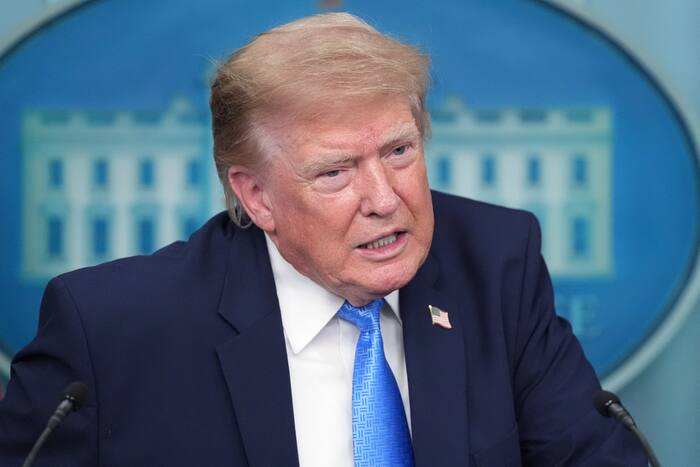
Trump has framed the gathering as a chance to push for reducing nuclear weapons worldwide and opening early talks on arms control. Senior U.S. officials have already dialed down expectations, calling it an initial conversation rather than a deal-making session. Even Trump admitted in a Thursday interview with Fox News that asking another leader to shrink nuclear stockpiles is "a very hard thing to do".
Why is it so hard? Because the old guardrails are gone. With New START expired, the last binding bilateral caps between Washington and Moscow on strategic nuclear forces are off the table. Trump has pushed for a modernized framework that pulls China in. Beijing has long resisted getting boxed into symmetrical or trilateral disarmament limits while it's still building out its own forces.
Nuclear Arms Control Without a Net
If you watch arms control closely, you know how slow and verification-heavy real treaties are. Three presidents sitting down for a trilateral session can't write verification rules on the back of a napkin during an APEC trip.
What can happen is basic risk talk or signaling that channels stay open. Experts like Craig Singleton at the Foundation for Defense of Democracies and analysts cited by The Guardian have pointed out that the leaders have plenty of reasons to pose together, and far fewer reasons to agree on tough security trade-offs. When a host country stages a big diplomatic moment, optics often outrun substance.
The War With Iran and Gulf Spillover
Iran sits right near the top of Washington's list, especially with fighting and regional spillover rattling energy markets and Gulf security. Trump has warned about the danger of Iran getting nuclear weapons and has kept pressure on Tehran while pushing for a lasting deal.
At the same time, Trump has also insisted the U.S. doesn't need help from China or Russia to end the war with Iran. Meanwhile, both Beijing and Moscow have kept trade lifelines moving with Iran even amid U.S. pressure and higher energy prices. Washington wants restraint or leverage over Tehran; Beijing and Moscow have their own commercial and strategic reasons not to hand the White House a quick diplomatic rescue.
Ukraine and the Fear of Backroom Deals
Then there's Ukraine. U.S. officials have signaled that Ukraine diplomacy runs on separate tracks rather than being settled inside a three-way sit-down with Xi. Xi doesn't want to be ambushed or dragged into unplanned Ukraine commitments on his home turf, as analysts at the Royal United Services Institute have noted.
Still, Europeans and Ukrainians watch three-leader huddles with real anxiety. Analysts at the Atlantic Council and Brookings have highlighted a blunt reality: smaller nations worry about great powers talking over their heads, even when no binding deal can be signed without the countries actually fighting. Trump has held bilateral time with Putin as well—their first sit-down since last year's Alaska talks failed to settle the war—while relations between Washington and Kyiv have looked strained over sanctions, diplomacy, and satellite support.
Why Each Leader Wants This Moment
A lot of commentators treat summits like a scoreboard with one winner and two losers. That misses how leaders like Trump, Xi, and Putin play these rooms. Each guy brings a different domestic headache and a different PR goal.
- Donald Trump gets high-wattage global theater right after tough midterm politics and domestic friction at home, plus a chance to argue he can talk directly to rivals nobody else can move. Saying "they both like Trump" frames the meeting around personal leverage rather than slow diplomatic fine print.
- Xi Jinping hosts a marquee APEC gathering in Shenzhen, projecting China as a central diplomatic hub and a defender of open trade against Western tariffs and sanctions. Hosting both the U.S. and Russian presidents in China underscores Beijing's weight without forcing Xi to concede anything on arms control or tech exports.
- Vladimir Putin steps out of diplomatic isolation into a major multilateral spotlight, talking up Russia's role in Asia-Pacific food and energy even after setbacks like the strike on the Crimea bridge. Simply standing on equal footing with Washington and Beijing helps Moscow argue that sanctions and Western pressure haven't boxed Russia out.
Notice what's missing from all three playbooks: a shared incentive to make hard concessions on day one.
Misconceptions That Trip People Up on Summits Like This
When three heavyweight leaders meet, people tend to fall for a few predictable myths. Let's clear them up.
First, a summit isn't a treaty. Even when two countries have a long history of arms control, drafting limits takes months or years of technical talks. With three countries at very different stages of nuclear modernization, a single meeting is a starting line at best, not a finish line.
Second, bilateral side talks matter more than the group photo. Leaders often use a trilateral room for broad themes while saving sharper points—on sanctions, border security, trade, or regional flashpoints—for one-on-one huddles. A 40-minute one-on-one or a working lunch can carry real friction that never shows up in a joint statement.
Third, big powers can't just click their fingers and end other people's wars. Even if Trump, Xi, and Putin talk about Iran or Ukraine, fighting on the ground involves sovereign states, regional allies, supply lines, and domestic survival stakes. Three leaders in Shenzhen don't hold a magic off-switch.
What to Watch Next if You Follow Global Markets and Security
If you're tracking this story for your business, portfolio, or policy work, skip the hype around "historic breakthroughs" and watch the concrete signals instead.
- Check the readouts, not the speeches. Look at what the White House, Beijing, and the Kremlin actually publish after the meeting. Vague lines about "constructive talks" or "world peace" usually mean no real shift happened. Specific follow-up channels or working-level dates matter much more.
- Watch energy, shipping, and sanctions news. Conflict around Iran and the Gulf hits oil prices, tanker routes, and freight costs fast. If you manage supply chains or energy exposure, keep an eye on shipping alerts and export-control enforcement rather than summit rhetoric.
- Track Kyiv, Brussels, and Indo-Pacific allies. A real shift on Ukraine won't happen behind closed doors without Ukrainian and European involvement sticking—or blowing up. Pay attention to how allies react over the next few days, because alliance cohesion is often the first thing tested when big powers hold a high-profile huddle.
Big rooms make big pictures. Real policy moves much slower.