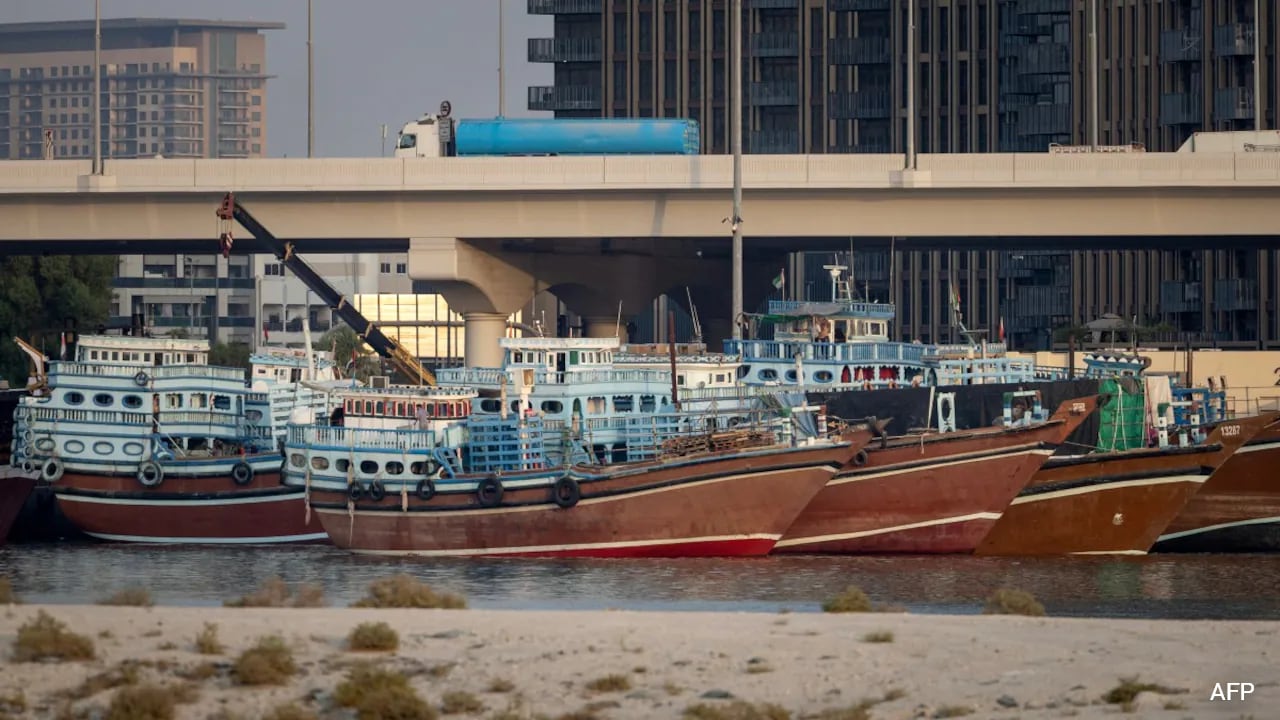
The UAE just slammed the door shut on trade and financial dealings with Iran. If you are watching the Middle East, this isn't just another headline. It is a massive shift in how the region handles security versus profit. Most news outlets will tell you the obvious: missiles were fired, and the UAE reacted. They are right, but they are missing the deeper economic fallout that is about to ripple through every business connected to Gulf shipping.
I have spent years watching regional supply chains. When the UAE—a global logistics powerhouse—stops talking to a neighbor, the cost of doing business changes overnight. You can’t just flip a switch like this without leaving a massive scar on the local economy. For a more detailed analysis into this area, we suggest: this related article.
Why this freeze hits different
The immediate trigger was a tense missile alert that sent residents into a frenzy and caused the government to act. But look beyond the panic. The UAE has been trying to balance its role as a neutral trade hub with the reality of living in a war zone. For months, they maintained a fragile memorandum of understanding with Tehran. It was a deal meant to keep the peace while the rest of the region burned. That deal is now dead.
When the interior ministry sent out that phone alert warning of a potential missile threat, the "neutrality" strategy officially failed. You can’t trade with someone while simultaneously warning your citizens to hide from their projectiles. It is an untenable position for any government. By cutting off financial ties, the UAE is essentially telling the world that it is done trying to play both sides. For broader background on this development, in-depth coverage can also be found at BBC News.
The Strait of Hormuz is the real target
If you think this is only about bilateral trade between two nations, you are looking at the wrong map. The real story here is the Strait of Hormuz. Iran has been making it clear: they want that waterway closed until they get a deal with the United States.
The UAE is not just a neighbor; it is a gateway. When shipping lanes are threatened, the cost of maritime insurance spikes. It doesn't matter if your company is based in Dubai or Delhi. If your goods pass through that strait, your shipping costs are currently going up.
Think about it. You have tankers carrying oil, electronics, and consumer goods effectively held hostage by this political deadlock. The UAE’s move to freeze assets and trade is a defensive wall. They are trying to insulate their financial sector from the volatility that Iran is trying to weaponize.
What happens to the supply chain now
If you are involved in cross-border trade, you need to prepare for disruption. Here is what is actually going on:
- Payment Processing: Financial institutions will be looking for any link to Iranian entities. Expect delays in wire transfers and credit checks for any firms operating in the wider Gulf region.
- Logistics Rerouting: Shipping lines will avoid the Strait of Hormuz whenever they can. This adds days, if not weeks, to delivery times.
- Inflationary Pressure: Companies will pass these added costs onto you. If you are importing goods from the Middle East, check your contracts for force majeure clauses immediately.
Many people assume this will blow over in a week. I wouldn't bet on that. We are seeing a fundamental decoupling. The era where the UAE could profit from being an intermediary for Iran is currently on hold.
Moving forward in a volatile climate
Don't wait for the official press releases to tell you the risk is over. The volatility in the Gulf is now baked into the system. If you have assets or trade partners in the region, start diversifying your exposure. Look for alternative routes that don't rely on the Gulf’s choke points.
Talk to your logistics providers today. Ask them specifically about their contingency plans for increased naval presence in the area. Assume the status quo is gone for the foreseeable future. Staying informed is only the first step. You need to act on the reality that the business environment just got a lot tighter. Keep your liquidity high and your supply chains short until this situation stabilizes.