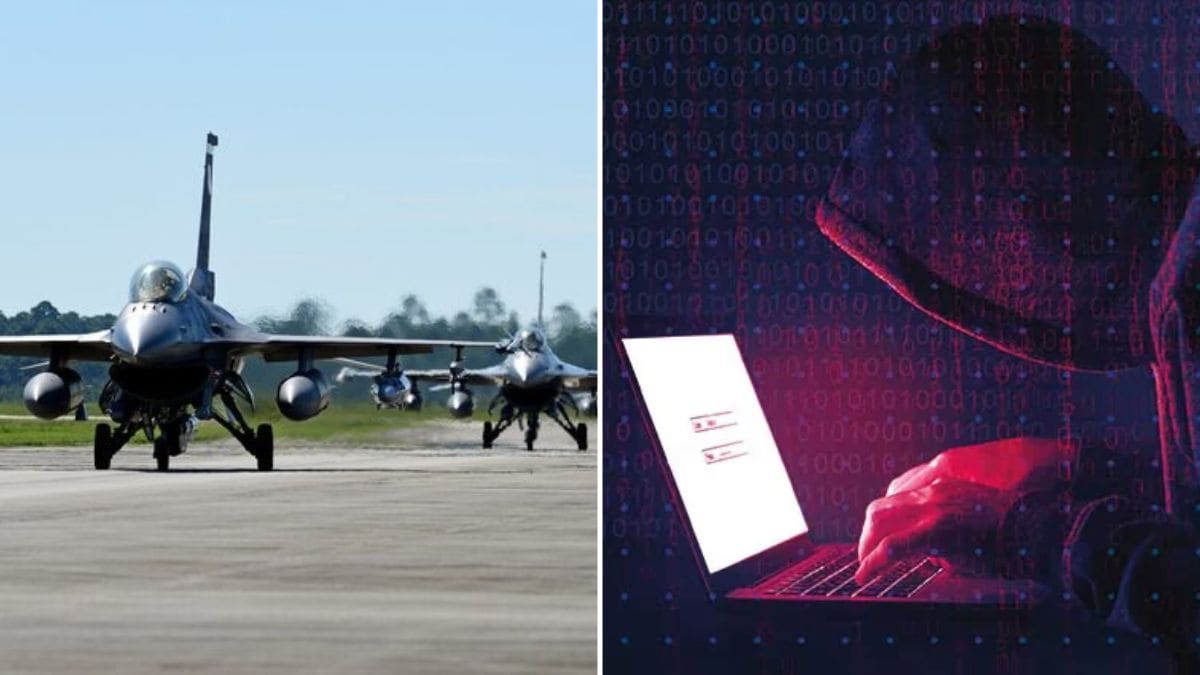
Hitting a single military app is bad enough. Getting into the control layer that runs scores of them is a completely different nightmare.
That's the real story behind the reports that hackers breached Cloud One, the US Air Force's flagship cloud computing platform. First reported by Reuters on November 27, 2026, the intrusion was discovered within the past month during upgrade work. Investigators brought in US Cyber Command to assess the damage, while teams scrambled with revoked administrator rights, paused application migrations, and blocked software updates across the environment.
Plenty of headlines treat this like just another government IT incident. Honestly, that misses what makes cloud control planes so sensitive. When defenders have to lock down shared infrastructure mid-upgrade, operational friction ripples fast—even before anyone publicly proves whether data was stolen.
What Cloud One Actually Does Behind the Scenes
Launched in 2017 and headquartered at Hanscom Air Force Base in Massachusetts, Cloud One wasn't built as a single isolated server. It was created as an enterprise hub that pulls together commercial cloud capabilities from Microsoft, Amazon, Oracle, and Alphabet to support Air Force, Space Force, and broader defense workloads.
In enterprise IT, centralization promises speed, standardization, and easier oversight. When it works, teams don't have to reinvent security and deployment plumbing for every single application.
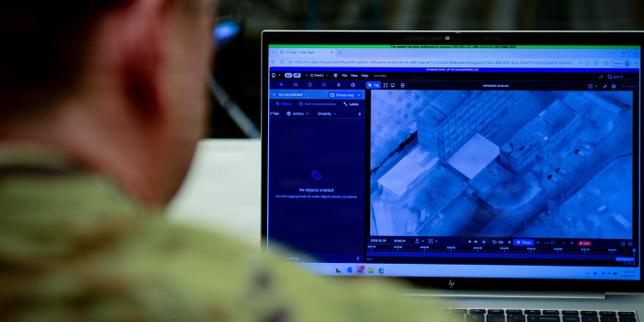
What sits on top of that plumbing raises the stakes fast. Reporting on the breach notes that Cloud One hosts critical systems including the Theater Integrated Combat Munitions System, which tracks bombs and missiles across more than 200 Air Force locations worldwide, alongside Cloud-Based Command and Control, which pulls together air defense radar and other feeds across North America. It also supports everyday functions like pay, personnel data, maintenance, and logistics.
Prime contracting for Cloud One shifted from SAIC to Leidos in 2025, underscoring how complex long-running defense cloud programs are to maintain across vendors, mission owners, and evolving security rules.
The Control Plane Problem Nobody Talks About Enough
A source cited by Reuters compared reaching Cloud One's control plane to getting hold of a "universal remote". That analogy is sharp, and anyone who has run multi-tenant cloud infrastructure knows why.
In a cloud architecture, the data plane carries application traffic and workloads, while the control plane manages configuration, orchestration, access, and operational state across resources. If an attacker compromises a control plane—or even gets close enough to force defenders to treat the control plane as suspect—you can't simply unplug one compromised laptop and call it a day.
Look at the knock-on effects reported around the Cloud One intrusion:
- Blocked updates: Pushing fixes to running applications was halted, leaving personnel unable to apply patches right as new software vulnerabilities were being disclosed across the wider tech industry.
- Paused migrations: Moving additional back-office applications onto Cloud One—a longstanding military priority—was put on hold.
- Revoked admin access: Some users had administrator privileges pulled back while teams worked to contain risk and sort out who had legitimate access.
Here is a mistake I see smart engineering teams make all the time in theory: assuming a breach only matters if files walk out the door. In practice, freezing updates and slowing migrations creates its own exposure window. If defenders can't safely push patches while investigating a control-layer incident, unpatched flaws elsewhere in the stack become a real headache.
At the same time, we shouldn't jump ahead of the facts. As of the initial reporting on November 27, 2026, Reuters noted it could not confirm who carried out the breach, how wide the intrusion went, or whether any data was stolen. The Air Force stated it does not comment on the security posture, vulnerabilities, or operational status of specific networks and systems, adding that it continuously takes prudent measures to protect department information, systems, and mission capabilities.
Why Timing Makes This Story Harder to Ignore
Even without confirmed attribution or public proof of data exfiltration, context matters.
Recent reporting has pointed to a string of federal cyber incidents in late November 2026—spanning agencies and databases such as the FBI's National Crime Information Center, intelligence community systems including unclassified CIA systems, and Treasury's Financial Crimes Enforcement Network—alongside broader warnings from federal authorities about attackers using AI-assisted tooling to speed up intrusion steps.
Still, timing alone doesn't prove a single attacker or a single campaign. Defense networks attract relentless probing from state-backed actors, opportunistic threat groups, and criminal operators alike. Good security analysis separates what is confirmed from what is plausible.
Right now, three things are clear:
- The intrusion surfaced during upgrade work: Discovery happened within the past month while system upgrades were underway. Upgrades frequently expose hidden configuration drift, legacy access paths, or active intruders already dwelling inside an environment.
- High-value operational data sits in the neighborhood: Even if no munitions or radar feeds were exfiltrated or altered, systems tied to logistics, spare parts, personnel, and command-and-control carry huge intelligence value if exposed.
- Containment has real operational costs: Freezing changes protects stability during an investigation, yet it forces defenders into a tight spot when routine patching has to wait.
What Defense and Enterprise Leaders Should Take Away
You don't need a fighter jet fleet to learn from a control-plane scare. Whether you run defense workloads or commercial enterprise cloud platforms, the lessons are pretty straightforward.
First, treat control plane security as its own tier with stricter isolation, tighter identity controls, and deeper telemetry than standard application tiers. If someone touches the orchestration layer, blast radius rises fast.
Second, plan for patch freezes during incident response. Too many playbooks assume you can patch everything immediately during an active investigation. If change freezes happen—whether due to a breach or an upgrade glitch—you need compensating controls, network segmentation, and clear prioritization so critical vulnerabilities don't sit ignored.
Third, resist hype in both directions. Don't panic and assume worst-case espionage before evidence supports it, and don't shrug off a breach just because data theft hasn't been confirmed yet. Watch official updates from the Department of the Air Force and US Cyber Command as forensic reviews continue, and audit your own privileged access and upgrade pipelines before your next maintenance window.